






First, It's Not Really an Oil
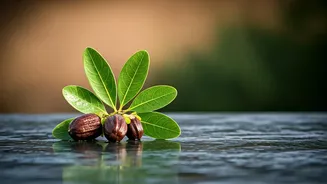
Here's the secret that cosmetic chemists have known for years: jojoba oil isn't technically an oil. It's a liquid wax ester. This might sound like a minor detail, but it’s the key to everything. Most plant-based oils, like coconut or argan, are made of
triglycerides. Jojoba oil’s chemical structure is profoundly different, giving it a unique stability and a remarkable relationship with our skin and hair. Unlike many oils that can feel greasy or heavy, jojoba has a lighter, more absorbent profile. It doesn't go rancid as quickly as other natural oils, giving it a longer shelf life and making it a more reliable ingredient in product formulations. This distinction is the foundation of its quiet revolution in haircare.
The Skin-Mimicking Superpower
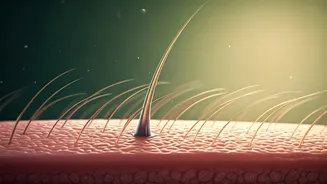
The true magic of jojoba oil lies in its striking similarity to sebum, the natural oil produced by our own skin and scalp. Sebum’s job is to moisturize and protect our hair and skin. Because jojoba oil’s molecular structure is nearly identical to sebum, our scalp doesn't see it as a foreign substance. This has two major benefits. First, for those with dry scalps, jojoba oil provides moisture that the body readily accepts, helping to alleviate flakiness and tightness. Second, for those with oily scalps, applying jojoba can trick the skin into thinking it has produced enough sebum, which can help regulate overproduction and balance the scalp. No other commonly used botanical ingredient mimics our natural oils so perfectly.
The Rise of Scalp-First Haircare
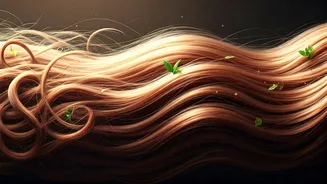
For years, haircare focused almost exclusively on the hair shaft—smoothing cuticles, adding shine, and fixing split ends. But a major shift is underway, often called the “skinification” of hair. The new focus is on the source: the scalp. A healthy, balanced scalp is the foundation for strong, healthy hair growth. This is where jojoba oil shines. Its non-comedogenic properties mean it can moisturize the scalp and cleanse hair follicles without clogging them, which is a common cause of hair loss and dandruff. By reducing inflammation, soothing irritation, and dissolving excess buildup, jojoba oil helps create the optimal environment for hair to thrive. It’s not just a cosmetic fix; it’s a foundational treatment.
How to Actually Use It
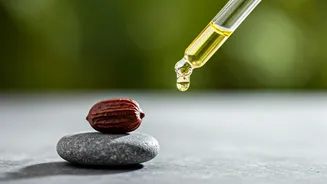
Incorporating jojoba oil into your routine is simple. You can find it as a star ingredient in a growing number of shampoos, conditioners, and serums. But for a more direct approach, using 100% pure, cold-pressed jojoba oil offers versatility. For a Scalp Treatment: Before washing your hair, massage a few dropperfuls directly onto your scalp. Let it sit for 20 minutes to an hour to help dissolve buildup and moisturize the skin. To Tame Frizz and Add Shine: Rub 2-3 drops between your palms and lightly smooth over the mid-lengths and ends of dry or damp hair. Because it's so lightweight, it won’t weigh your hair down like heavier oils can. As a Conditioner Booster: Add a few drops to your favorite conditioner in your palm before applying to give it an extra moisturizing kick. This simple addition can make a noticeable difference in softness and manageability.