






When Summer Gets Too Hot to Handle
Remember the postcard image of a summer trip? Sun-drenched beaches, languid afternoons exploring European capitals, and road trips through golden landscapes. Now, picture that same scene with a 105-degree reality check. In recent years, the phenomenon
of extreme summer heat has transformed from a mere inconvenience into a genuine travel deterrent. Tourists in Rome have fainted while waiting in line, wildfires have threatened resorts from Maui to Greece, and major attractions have been forced to close during peak hours. This isn't just about discomfort; it’s about safety, health risks, and the dawning realization that a trip meant for relaxation can quickly become a source of anxiety. The term “heat panic” might sound dramatic, but for anyone who has tried to navigate a crowded city or a packed national park during a record-breaking heat dome, it feels uncomfortably accurate. The very thing we used to seek—uninterrupted sun—has become the thing we increasingly need to plan around, or even run from.
Enter the ‘Cool-cation’
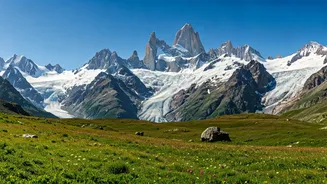
In response, a compelling alternative is gaining traction: the “cool-cation.” Instead of flying south for the winter, savvy travelers are now heading north—or to higher altitudes—for the summer. This isn't about trading swimsuits for parkas in a fit of contrarianism. It’s a deliberate choice to seek out destinations where the main attraction is a comfortable, even crisp, climate. Think Iceland in July, where you can hike on a glacier without breaking a sweat. Consider the misty, temperate rainforests of Washington's Olympic Peninsula or the rugged coastline of Maine. Destinations like Scandinavia, Alaska, Canada, and even the mountains of Colorado are emerging as prime summer spots for a new kind of tourist: the “heat refugee.” They’re trading the risk of sunstroke for the reliable comfort of a light jacket and the simple pleasure of breathing cool, fresh air. Travel companies are noticing, with data showing increased search interest for cooler locales during the traditional peak summer months.
The Psychology of Coziness
The appeal of the cool-cation goes deeper than just avoiding sweat. There's a powerful psychological pull towards what these destinations offer. While hot weather often brings a feeling of lethargy and exposure, cooler climates invite activity and coziness. A day spent hiking in 65-degree weather can be invigorating in a way a beach day in 95-degree humidity simply cannot. Furthermore, these trips tap into the romantic ideal of the retreat. There’s a certain magic to ending a day of exploring with a hot drink by a fireplace or wrapping up in a blanket to watch a sunset over a chilly sea. It’s the feeling of “hygge”—the Danish concept of cozy contentment—repurposed for summer. This kind of comfort feels earned and intentional, a stark contrast to the harried, crowded, and often overwhelming experience of a peak-season summer hotspot.
A Smarter Way to See the World?
Opting for a cold-weather holiday isn't just a reaction to climate; it’s also a strategic travel move. Many of these cooler destinations are less crowded in the summer than their sun-soaked counterparts, offering a more peaceful and authentic experience. It’s a form of “shoulder season” travel, but one dictated by temperature rather than just the calendar. By avoiding the overheated tourist traps, travelers often find better value, easier booking, and a greater sense of discovery. This shift suggests a growing sophistication among American travelers. We are moving beyond the default settings of vacation planning and making more deliberate choices that align with our comfort, our values, and the changing realities of the world. It’s a quiet acknowledgment that the best vacation isn’t necessarily the hottest one, but the one that leaves you feeling refreshed and restored.