







1. Turmeric: The Golden Anti-Inflammatory
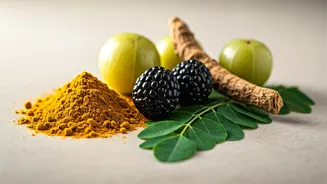
You can't talk about wellness spices without starting with turmeric. Its brilliant golden hue comes from curcumin, a powerful compound that has been the subject of thousands of studies. The main takeaway? Curcumin is a potent anti-inflammatory. Chronic,
low-level inflammation is believed to play a role in many modern health conditions, and research suggests curcumin can help suppress the molecules known to be major culprits. It’s a strong antioxidant, too, meaning it can help neutralize harmful free radicals in the body. The wellness world has embraced it in everything from golden milk lattes to supplements, but simply adding it to curries, soups, or roasted vegetables is an easy way to get it into your diet.
2. Ginger: The Soothing Digestive Aid
That spicy, fragrant kick you get from fresh ginger? You can thank gingerol, the main bioactive compound responsible for many of its medicinal properties. For centuries, ginger has been a go-to remedy for nausea and indigestion, and modern science backs this up. Studies have shown it to be highly effective against nausea, from morning sickness to motion sickness. It also appears to help speed up the emptying of the stomach, which can be beneficial for people with chronic indigestion. Like its cousin turmeric, ginger also has significant anti-inflammatory and antioxidant effects. It's incredibly versatile: steep fresh slices in hot water for a soothing tea, grate it into stir-fries, or add it to your morning smoothie for a zesty, invigorating start.
3. Cayenne Pepper: The Metabolic Fire-Starter
If you like it hot, you're in luck. The heat in cayenne and other chili peppers comes from capsaicin, a compound that does more than just make you sweat. Research indicates that capsaicin can provide a modest boost to your metabolism, helping your body burn slightly more calories. It's not a magic weight-loss bullet, but every little bit helps. It also has an interesting effect on appetite, with some studies showing it can reduce cravings and overall calorie intake. Furthermore, capsaicin is used topically in creams to relieve pain by desensitizing nerve receptors. In the kitchen, a sprinkle of cayenne can liven up everything from scrambled eggs and avocado toast to chili and marinades, adding both flavor and a functional kick.
4. Cinnamon: The Blood Sugar Stabilizer
More than just a topping for oatmeal or a holiday baking staple, cinnamon has some impressive health credentials. It's loaded with powerful antioxidants that protect your body from oxidative damage. But its most celebrated benefit is its potential impact on blood sugar levels. Several studies suggest that cinnamon can improve sensitivity to the hormone insulin, which is vital for transporting blood sugar to your cells. By helping insulin do its job more effectively, it can help lower fasting blood sugar levels. For a daily dose, try stirring a half-teaspoon of Ceylon cinnamon (often called “true” cinnamon) into your coffee, yogurt, or oatmeal. It adds a comforting warmth and a touch of sweetness without any sugar.
5. Black Pepper: The Ultimate Bio-Booster
Black pepper might seem boring compared to the others, but it’s the ultimate team player in the spice world. Its secret weapon is piperine, the compound that gives pepper its pungent taste. Piperine’s real magic is its ability to dramatically enhance the absorption of other nutrients. The most famous example is its effect on turmeric. Studies show that consuming piperine alongside curcumin can increase its bioavailability by up to 2,000%. In other words, adding a pinch of black pepper to your turmeric-spiced dish makes the curcumin far more effective. This synergistic effect makes black pepper an unsung hero of the wellness kitchen. So, when you’re seasoning your food, remember that a little black pepper isn't just for flavor—it's helping you get more out of everything else on your plate.