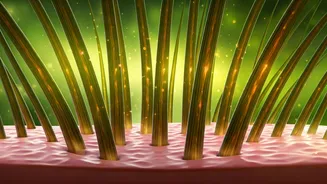









Feed Your Follicles: The Nutritional Foundation
Think of your hair follicles as tiny factories. To produce strong, healthy hair, they need the right raw materials. No amount of expensive conditioner can make up for a nutritional deficit. The structure of hair itself is primarily a protein called keratin,
so ensuring adequate protein intake from sources like lean meat, fish, eggs, and legumes is non-negotiable. It’s the literal building block of every strand. Beyond protein, several micronutrients play starring roles. Iron is crucial for producing hemoglobin, which carries oxygen to your cells—including the ones that stimulate hair growth. Low iron levels are a well-documented cause of hair shedding, particularly for women. Similarly, zinc helps with hair tissue growth and repair, keeping the oil glands around the follicles working correctly. You can find it in beef, pumpkin seeds, and lentils. Finally, B-vitamins, especially biotin, are famous for their role in hair health. While a true deficiency is rare in the U.S., these nutrients are essential for converting food into the energy your follicles need to function.
Cultivate the Garden: Scalp Health Is Key
If your hair is the plant, your scalp is the soil. An unhealthy scalp environment—clogged with product buildup, inflamed, or suffering from poor circulation—cannot support robust hair growth. It's time to treat your scalp with the same care you give the skin on your face. Start by properly cleansing. Using a clarifying shampoo once a week can remove the residue from dry shampoos, styling creams, and conditioners that can suffocate follicles and lead to inflammation. Gentle massage is another powerful tool. When you shampoo, use the pads of your fingers to massage your scalp for a few minutes. This simple act does more than just feel good; it helps increase blood flow, delivering that oxygen and all those nutrients you're consuming directly to the hair root. Some dermatologists also point to the scalp’s microbiome—the community of healthy bacteria that protects the skin. Overly harsh cleansers can disrupt this balance, so look for pH-balanced, sulfate-free formulas for daily use. A healthy, clean, and well-nourished scalp is the literal ground floor for better hair.
Beyond the Plate: The Lifestyle Connection
You can eat a perfect diet and have a pristine scalp, but if you’re chronically stressed and sleep-deprived, your hair will likely show it. This is where the “below the surface” concept goes even deeper. When you experience high levels of stress, your body produces more of the hormone cortisol. Elevated cortisol can prematurely push a large number of hair follicles from their growth phase (anagen) into a resting phase (telogen), leading to a type of diffuse shedding known as telogen effluvium a few months later. This is why managing stress and prioritizing sleep are fundamental acts of hair care. Sleep is when the body undertakes most of its repair and regeneration, and that includes your hair follicles. Aiming for 7-9 hours of quality sleep per night helps regulate hormones and gives your body the downtime it needs to build and repair. Whether it's through meditation, exercise, or simply setting better boundaries, finding ways to manage your stress response is as critical as any vitamin or serum you might consider.