
The Secret: Semi-Hydroponics
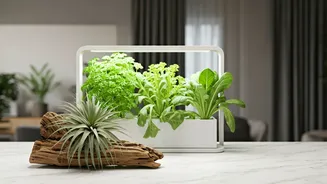
Forget everything you think you know about complicated hydroponic labs with tubes and pumps. The hack taking over renter-centric design is a simplified version called semi-hydroponics, or passive hydroponics. Instead of soil, plants are potted in an inert
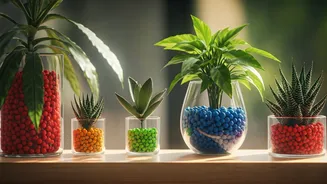
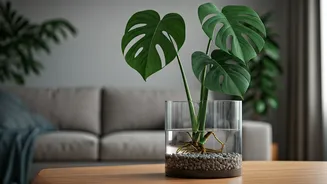
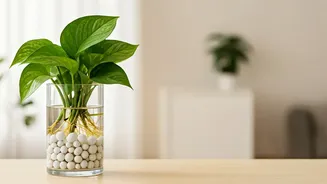
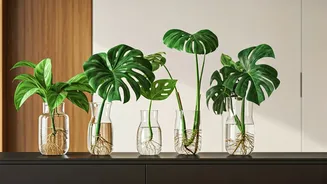
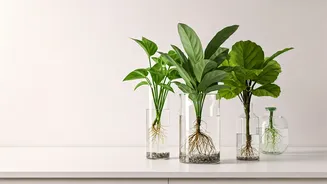
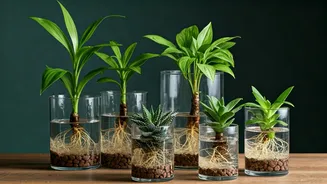
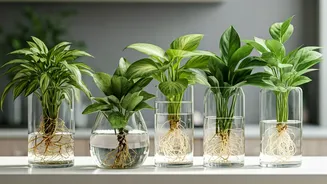
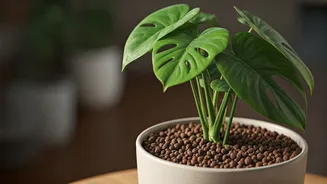
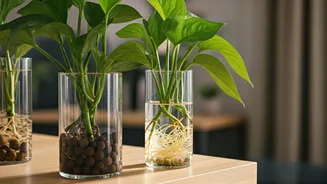
growing medium like clay pebbles (often called LECA), pumice, or perlite. These materials provide physical support for the roots without any of the organic matter found in soil. The plant then draws water and nutrients from a reservoir at the bottom of the pot. It’s a clean, self-contained, and surprisingly simple system that feels more like curating a living sculpture than gardening. The aesthetic is minimalist and modern, often involving clear glass vessels that showcase the intricate root systems and earthy tones of the clay pebbles.
Why It’s a Renter’s Dream
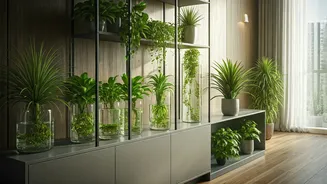
This method feels tailor-made for the challenges of rental living. First, and most importantly, there’s no soil. That means no more dirt tracked onto carpets during repotting, no mysterious stains on the patio, and no panicked cleanup before a landlord inspection. It dramatically reduces the risk of soil-borne pests like fungus gnats, which are a common nuisance for indoor gardeners. Furthermore, setups are significantly lighter. A large bag of LECA weighs a fraction of a comparable bag of potting soil, making pots easier to move around, whether you’re rearranging furniture or packing up for a move. This lightness also opens up possibilities for vertical displays on shelves that might not support the weight of heavy, soil-filled ceramic planters. For an added bonus, it solves the chronic plant-parent problem of over- or under-watering. Since the plant takes up only the water it needs from the reservoir, the guesswork is gone.
Get Started in 5 Simple Steps
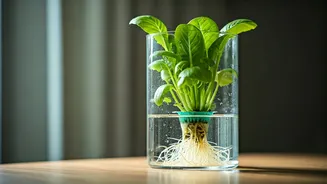
Ready to try it? The transition is straightforward. 1. **Choose Your Plant:** Hardy, forgiving plants are best for beginners. Pothos, snake plants, ZZ plants, monsteras, and philodendrons are all excellent candidates that adapt well to semi-hydroponics. 2. **Prep the Roots:** This is the most crucial (and messiest) part of the process. Gently remove your plant from its soil pot. Carefully work the soil out of its root ball, then rinse the roots under lukewarm water until they are completely clean. Any remaining soil can rot and cause problems. 3. **Pick a Pot:** A glass vase or a plastic pot without drainage holes works perfectly. This will serve as your water reservoir. Many people opt for a two-pot system: an inner net pot to hold the plant and pebbles, and a solid outer pot to act as the reservoir. 4. **Add Your Medium:** After rinsing your LECA or pumice, place a layer in the bottom of your pot. Position your plant inside, then gently fill in the surrounding space with more of the medium until the roots are supported and the plant is stable. 5. **Just Add Water:** Fill the reservoir so the water level comes up to about one-third of the height of the roots. It’s important that not all the roots are submerged, as they still need access to oxygen. Add a few drops of a specially formulated hydroponic nutrient solution, as the clay pebbles offer no nutrition on their own.
Tips for Long-Term Success
Once your plant is set up, the maintenance is minimal. You’ll only need to top off the water reservoir as it depletes, typically every one to two weeks depending on the plant and your home’s environment. About once a month, it's a good idea to perform a “flush.” This involves holding the pot under running water for a minute to wash away any mineral buildup from the nutrient solution. This simple step prevents salt accumulation and keeps the root environment healthy. Watch your plant for cues; if you see roots growing down into the reservoir, that’s a great sign! It means your plant has successfully adapted to its new, soil-free home and is ready to thrive with minimal fuss.