



So, What Exactly Are Millets?
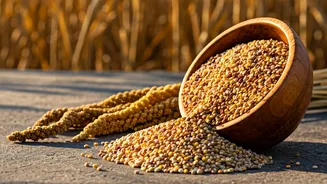
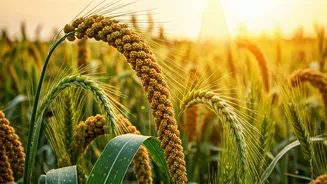
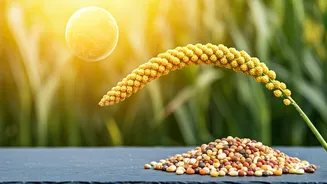
If you think of millet as just birdseed, it’s time for an update. Millets are a group of small-seeded grasses that have been cultivated for over 7,000 years, serving as a dietary staple across Africa and Asia long before wheat and rice became dominant.
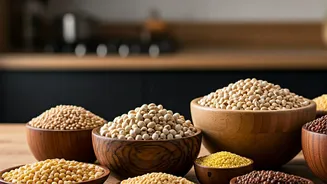
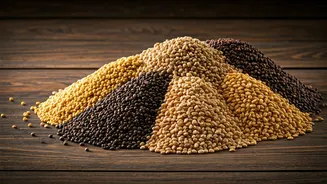
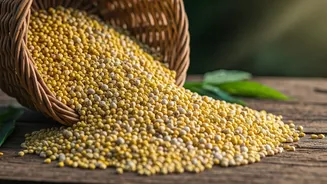
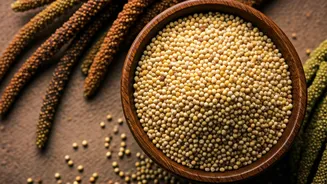
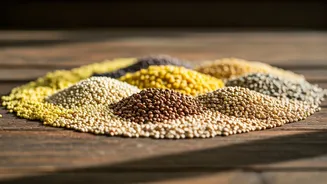
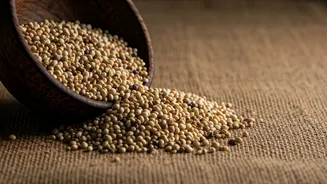
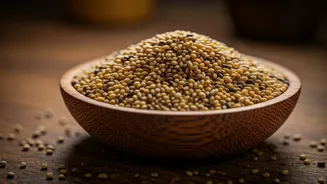
Unlike corn or wheat, “millet” isn’t a single type of plant. It’s a diverse family that includes varieties like pearl, foxtail, proso, and finger millet, each with a slightly different flavor, texture, and color. In the U.S., they're most often found hulled and sold as tiny, bead-like grains, similar in appearance to their trendy cousin, quinoa. For centuries, these grains were overlooked in Western diets, but their unique combination of resilience and nutrition is bringing them back into the spotlight.
The Climate-Friendly Super Crop
The first part of millet’s modern appeal lies in its relationship with the environment. In an era of increasing droughts and unpredictable weather, millets are what agricultural experts call a “climate-smart” crop. They are famously hardy, capable of growing in arid, semi-arid, and infertile soils where mainstream grains like rice and wheat would fail. Many millet varieties are drought-tolerant and have a remarkably low water footprint—some can thrive on as little as 12 inches of annual rainfall. This makes them a far less resource-intensive choice compared to a water-guzzling crop like rice, which can require up to three times more water to produce the same yield. By needing fewer fertilizers and pesticides, millets also help maintain soil health, making them a sustainable choice for farmers and a win for a warming planet.
A Nutritional Powerhouse for Your Plate
While millets are working hard for the planet, they’re also doing wonders for your body. Naturally gluten-free, they are an excellent alternative for those with celiac disease or gluten sensitivity. But their benefits go much further. Millets are packed with fiber, which aids digestion, helps manage blood sugar levels by slowing glucose absorption, and promotes a feeling of fullness. They are a solid source of plant-based protein and are rich in essential minerals that are often lacking in the standard American diet, including magnesium (crucial for nerve function and heart health), iron (for energy), and phosphorus (for bone health). As a complex carbohydrate, they provide sustained energy without the spike-and-crash effect associated with refined grains, making them an ideal foundation for a balanced meal.
How to Bring Millets to Your Kitchen
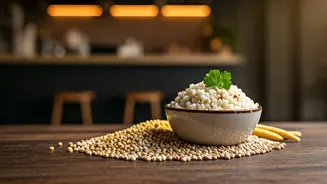
Intrigued? Incorporating millets into your diet is surprisingly simple. Most varieties cook just like rice or quinoa. The basic method is to use a 2:1 ratio of liquid (water or broth) to grain. Bring it to a boil, then reduce the heat, cover, and simmer for about 15-20 minutes until the liquid is absorbed. Fluff with a fork, and it’s ready. The flavor is generally mild and nutty, making it incredibly versatile. Start by using millet as a base for a grain bowl, topped with roasted vegetables, a protein, and a flavorful dressing. Swap it for oats in your morning porridge, adding fruit and nuts for a hearty breakfast. You can also toast the dry grains in a pan before cooking to enhance their nutty flavor. Cooked millet can be added to salads, soups, or even formed into patties for veggie burgers. For the more adventurous, millet flour can be used in gluten-free baking for pancakes, muffins, and flatbreads.