







The Perfect Economic Storm
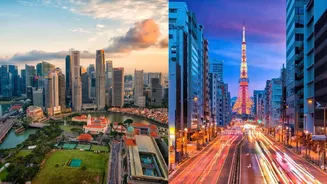
For American graduates, the decision to pivot from Paris to Tokyo wasn't just about aesthetics; it was about arithmetic. The Japanese yen has been historically weak against the U.S. dollar, making Japan—a country often perceived as expensive—suddenly
and surprisingly affordable. A bowl of world-class ramen for the price of a stateside coffee? A clean, safe hostel for less than a night at the movies? The math was undeniable. This economic advantage created a unique window of opportunity, transforming a dream trip into a practical reality for a generation burdened by student loans and facing an uncertain job market. This wasn't just a vacation; for many, it felt like a smart financial move, maximizing experience while minimizing the hit to their bank accounts after four years of tuition payments.
From Ancient Prints to Concrete Canvases
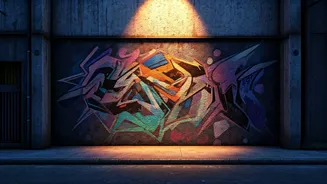
But affordability was only part of the equation. The real draw was the discovery of Japan's dynamic and often hidden street art scene. While Japan is famous for its serene temples and minimalist design, its cities pulse with an undercurrent of rebellious, expressive urban art. This isn't the commissioned, large-scale muralism common in many American cities. Instead, it’s a culture of stickers ('slaps'), intricate stencils, and guerrilla installations tucked away in alleyways and on roll-down shop shutters. Artists like 281_Anti Nuke, whose work critiques social and political issues, or the whimsical, character-driven pieces that pop up overnight, offer a raw, unfiltered look into contemporary Japanese society. For young travelers, hunting for these pieces became a real-life treasure hunt, a way to engage with the city on a deeper level than simply visiting a museum.
The TikTok Travel Guide
You can't talk about a youth trend in the 2020s without talking about social media. Platforms like TikTok and Instagram were instrumental in turning Japan's street art into a must-see phenomenon. Short-form videos showcasing a walk through Tokyo’s Koenji neighborhood, known for its punk-rock vibe and layered graffiti, or a tour of Osaka’s Amerikamura, a hub of youth culture and colorful murals, went viral. These weren't polished travelogues; they were authentic, user-generated dispatches that felt more like a friend showing you a cool spot than a traditional guide. The visual, shareable nature of street art made it perfect content. Finding a piece, photographing it, and posting it became part of the experience itself, a way of participating in a global conversation and leaving a digital footprint on a physical journey.
Where to Find the Art
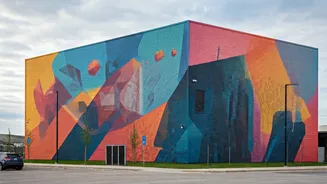
While Tokyo gets most of the attention, the movement is nationwide. In Tokyo, the trifecta of high-fashion Harajuku, artsy Shimokitazawa, and the aforementioned Koenji offer a dense concentration of works. A stroll under the train tracks in any of these neighborhoods reveals a constantly changing gallery of stickers, paste-ups, and small paintings. In Osaka, the Amerikamura district is an explosion of color, with large-scale murals and decorated storefronts. Even in the more traditional city of Kyoto, careful observers can find modern art contrasting with ancient architecture, particularly in areas around the Kamo River. The search is the point. It encourages travelers to wander off the beaten path, to look closer at their surroundings, and to find beauty in unexpected places—a core tenet of the appeal.