




The Rise of the 'Aspirational' Traveler
The single biggest driver behind this trend is the explosive growth of India’s middle and upper-middle classes. For decades, foreign travel was the exclusive domain of the ultra-wealthy. Today, a new generation of salaried professionals, entrepreneurs,
and dual-income households has something previous generations didn't: significant disposable income. We're not just talking about the top 1%; millions of people in tech, finance, and other white-collar jobs now see an annual international trip not as a wild luxury, but as an achievable goal. This economic empowerment is the foundation for everything else. As household incomes rise, spending priorities shift from basic necessities to aspirational goals, and for a growing number of Indians, 'seeing the world' is at the top of the list.
The Passport Is Getting More Powerful
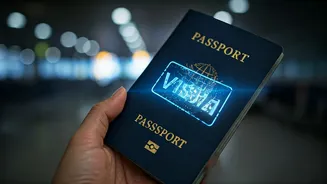
It’s hard to overstate how much of a barrier visas have historically been for Indian travelers. For decades, planning a trip to Europe or even Southeast Asia involved a mountain of paperwork, long waits, and no guarantee of approval. This made spontaneous travel nearly impossible. That reality is rapidly changing. More and more countries, eager to attract India's massive tourist market, are simplifying the process. Nations like Thailand, Sri Lanka, and Malaysia now offer visa-free entry or visa-on-arrival. Dozens more provide streamlined e-visa systems that turn a month-long bureaucratic headache into a 24-hour online formality. This simple logistical change has had a profound psychological impact, making the world feel more open and accessible than ever before.
Budget Airlines Changed the Game
Just as Southwest Airlines democratized air travel in the U.S., a boom in low-cost carriers has completely reshaped the math of travel for Indians. Airlines like IndiGo, SpiceJet, and Air India Express have created fierce competition, drastically lowering the cost of flights to nearby international hubs like Dubai, Singapore, and Bangkok. A round-trip flight that might have cost a month's salary a decade ago can now be had for a week's pay. This has made short international getaways a viable alternative to domestic holidays. The 'long weekend in Thailand' is no longer a fantasy; it’s a practical option for millions living in major Indian cities, fueling a massive surge in travel to Southeast Asia in particular.
From Savings Culture to the Experience Economy
There's also a significant cultural shift at play, especially among millennials and Gen Z. While older generations were often culturally conditioned to prioritize saving and investing in tangible assets like gold and property, younger Indians are more influenced by global trends and social media. The 'experience economy' is in full swing. A stunning Instagram post from the Swiss Alps or a story from a Bali yoga retreat now carries as much, if not more, social currency than a new car. This generation is digitally native, comfortable with booking their own trips via apps, and hungry for the novel experiences they see online. Travel has become a marker of a modern, global identity.
New Destinations on the Horizon
While familiar destinations like Dubai, Thailand, and the U.S. (often for visiting family) remain popular, the Indian traveler's map is expanding. With easier visas and better flight connections, places like Vietnam, Indonesia, and Turkey are surging in popularity. Tour operators are also seeing increased interest in more far-flung locales, from the Northern Lights in Scandinavia to the mountains of Central Asia. As travelers become more confident and experienced, they are looking beyond the typical entry-level destinations. This diversification is a sign of a maturing travel market, one that is poised to be a dominant force in global tourism for decades to come.