




The 'Stans' Step Into the Spotlight
Let’s be honest: for many Americans, Central Asia is a geographical blind spot, a collection of countries ending in '-stan' often associated with ancient Silk Road caravans and not much else. But that perception is rapidly changing. Uzbekistan, Kyrgyzstan,
Kazakhstan, Tajikistan, and even Turkmenistan are opening up to the world, revealing a region of staggering beauty, deep history, and unparalleled hospitality that feels worlds away from the polished, predictable experience of a typical European tour. Eased visa policies (many countries offer visa-free entry for Americans), growing infrastructure, and a generation of young, English-speaking locals are turning this historic crossroads into the next great destination for travelers who want to feel like they’re truly exploring.
Landscapes That Redefine 'Epic'
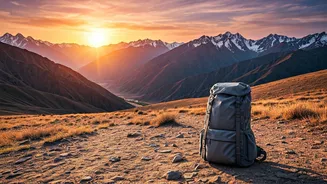
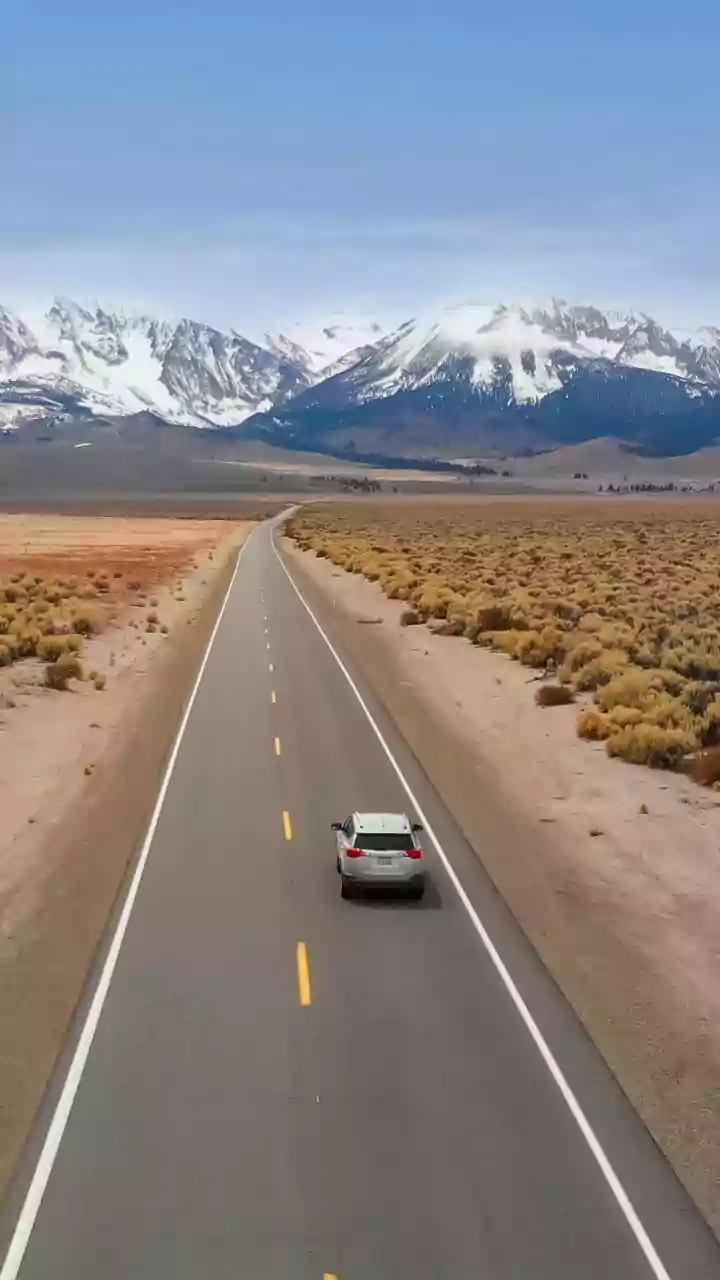
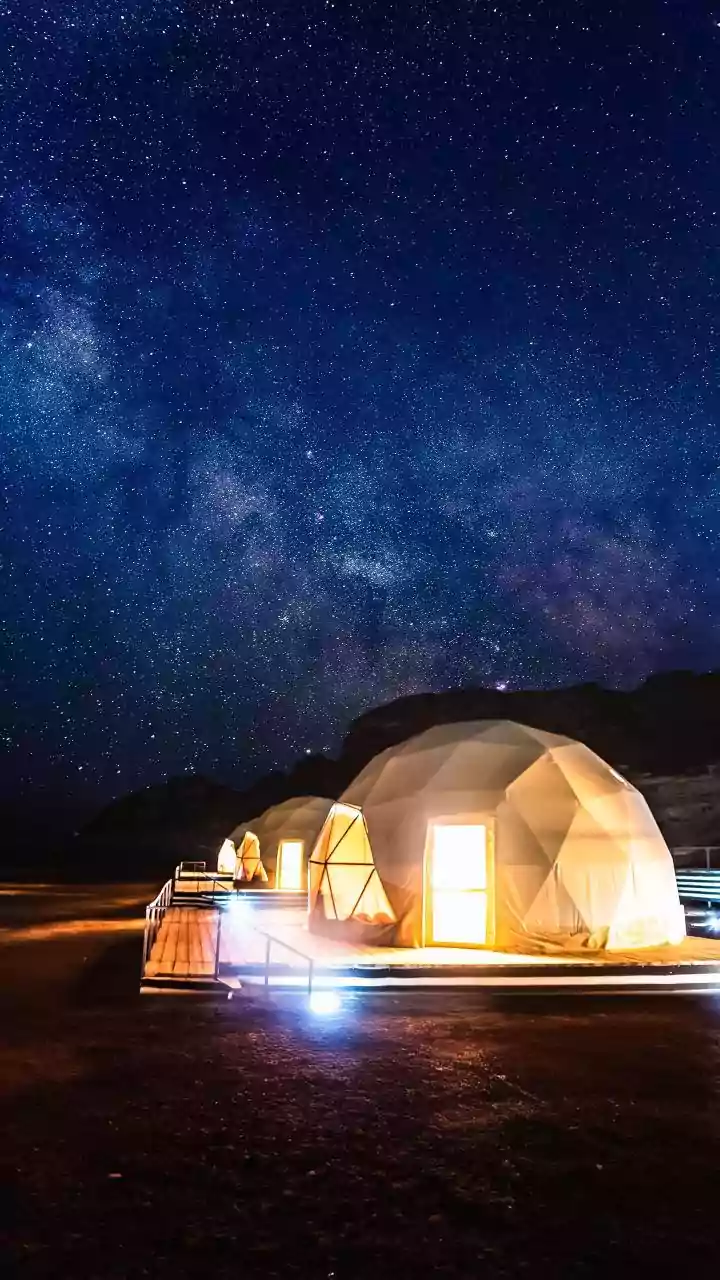
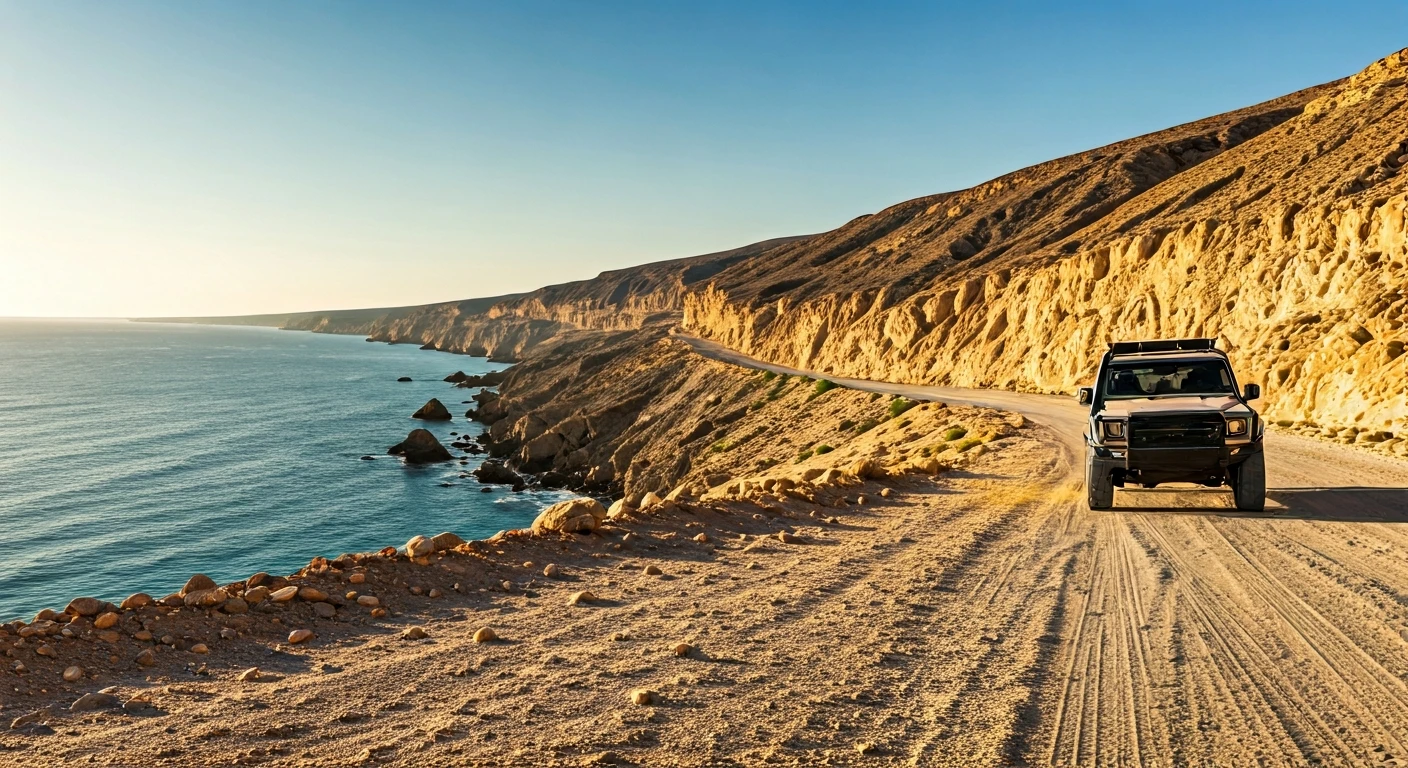
The sheer diversity of the terrain is a primary draw. Central Asia isn't one monolithic landscape; it's a continent's worth of scenery packed into one region. In Kyrgyzstan, you can trek through celestial mountains to pristine alpine lakes like Ala-Kul, sleep in a traditional yurt under a brilliant canopy of stars, and feel like you’ve stepped into a Jack London novel. Cross into Tajikistan and you’re on the Pamir Highway, the world's second-highest international road, offering desolate, moon-like vistas that will humble even the most jaded traveler. Then there’s Kazakhstan, a land of contrasts, with the futuristic skyline of Astana rising from the vast steppe and the surreal, Martian-like beauty of Charyn Canyon. It’s nature on a scale that makes you feel small in the best possible way.
History You Can Touch and Taste
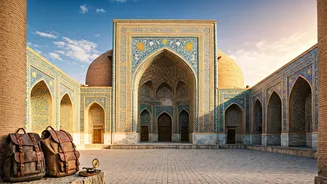
This region is a living museum, but not the stuffy, behind-the-glass kind. In Uzbekistan, the Silk Road cities of Samarkand, Bukhara, and Khiva are not ruins; they are vibrant urban centers. You can wander through the soaring, turquoise-tiled mosques and madrassas of Samarkand's Registan Square, get lost in the labyrinthine alleys of Bukhara’s old city, and haggle for crafts in the same markets that have been operating for centuries. But history here is also recent and complex. The brutalist architecture and grand monuments of the Soviet era stand in stark contrast to the ancient Islamic heritage, creating a fascinating, layered cultural landscape that tells the story of empires won and lost.
Adventure Without the Hefty Price Tag
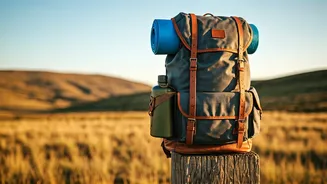
For the backpacker, value is essential, and this is where Central Asia truly shines. Your dollar goes an incredibly long way here. A hearty meal of *plov* (the region's signature rice pilaf) or a plate of sizzling kebabs might set you back just a few dollars. A bed in a clean, friendly hostel can be had for less than the cost of a coffee in New York City. Long-distance travel via shared taxis or Soviet-era trains is not only ridiculously cheap but also an adventure in itself, offering a front-row seat to local life. This affordability means you can travel longer, experience more, and do it all without the constant financial anxiety that can shadow a trip through more expensive parts of the world.
Hospitality as a Way of Life
Perhaps the most enduring memory for many visitors is the warmth of the people. In a world where over-tourism has made locals in popular destinations weary, the genuine curiosity and welcoming spirit in Central Asia is a breath of fresh air. It’s not uncommon to be invited into a stranger's home for tea or to have a shopkeeper spend an hour helping you find your way without expecting anything in return. This isn't a performance for tourists; it’s a deeply ingrained cultural tradition of hospitality. This human connection, the feeling of being a guest rather than a customer, is what elevates a trip here from a simple vacation to a life-changing experience.