




The Science of Serenity
This feeling isn’t just a poetic notion; it’s rooted in our biology. The concept of “biophilia,” popularized by biologist E.O. Wilson, suggests that humans have an innate tendency to connect with nature. Our brains are hardwired to respond positively
to natural environments, and green, the color of life and growth, is particularly potent. Spending time in verdant settings can lower cortisol levels, reduce blood pressure, and combat mental fatigue. According to Attention Restoration Theory, nature provides a “soft fascination” that captures our attention effortlessly, allowing our cognitive resources to recharge. Unlike a bustling street that demands constant, directed focus, a forest or meadow lets your mind wander and recover. It’s a gentle mental massage, delivered by chlorophyll.
The Deep Green of the Pacific Northwest
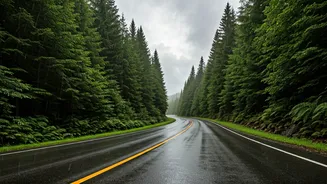
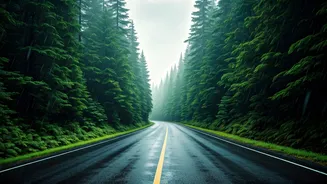
For an immersive, almost mystical experience, head to the temperate rainforests of Washington’s Olympic Peninsula or the Redwood forests of Northern California. This isn’t just green; it's a hundred greens stacked on top of each other. Sunlight filters through canopies of Sitka spruce and western hemlock, illuminating carpets of neon-bright moss and sword ferns. The air is cool, damp, and smells of earth and decaying leaves—the scent of life cycling through its ancient rhythm. Walking through these cathedrals of nature, like the Hoh Rainforest, feels like stepping into a prehistoric world. The silence is profound, broken only by the drip of moisture from a branch or the call of a distant bird. It’s a grounding experience that makes the noise of modern life feel a million miles away.
The Rolling Green of Appalachia
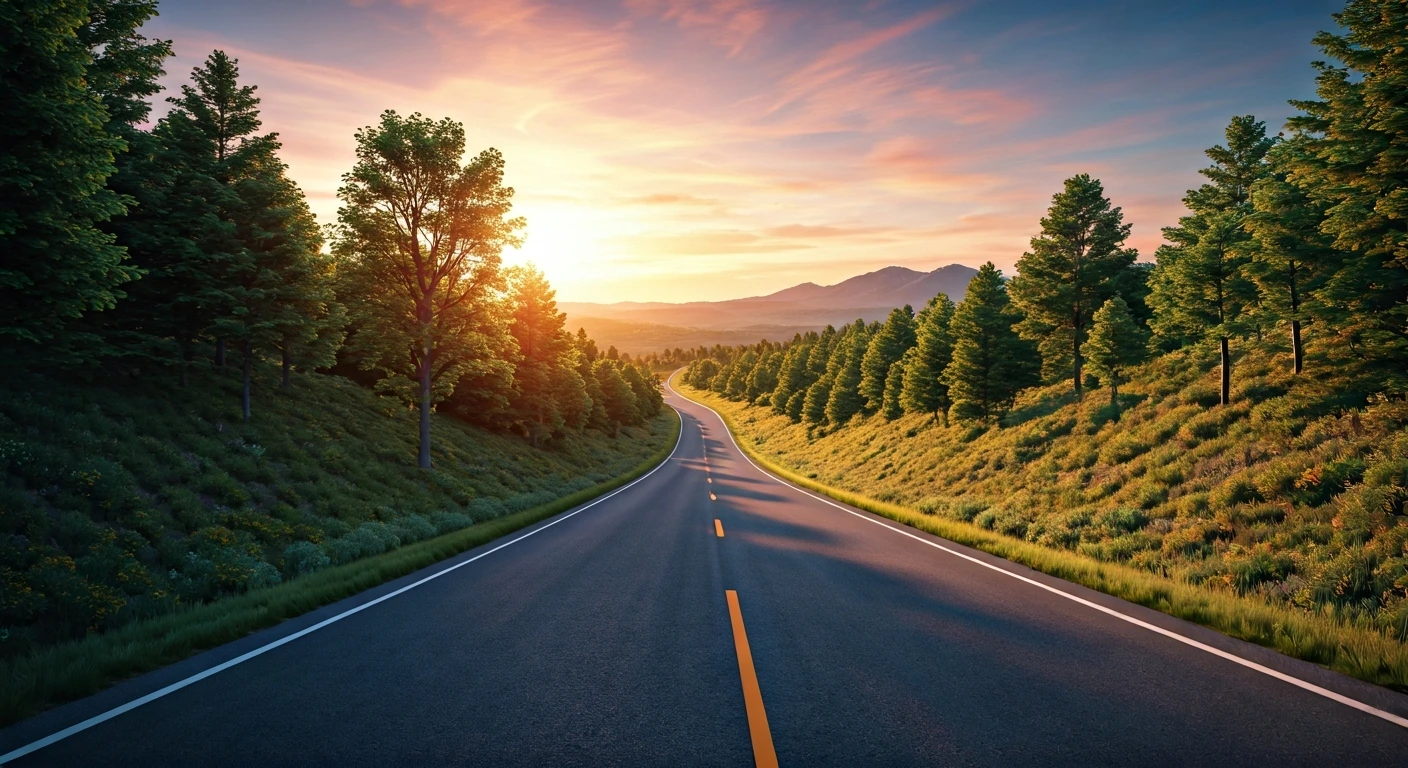
If the Pacific Northwest offers deep, intense green, the Appalachian Mountains provide a softer, more expansive version. Drive along the Blue Ridge Parkway in Virginia and North Carolina, and you’ll witness a masterpiece of rolling, hazy landscapes. The mountains are covered in a thick blanket of deciduous trees, creating an endless panorama of soft, layered color. The “blue” in their name comes from isoprene, a compound released by the trees that creates a distinctive blueish haze. This softens the horizon, making the views feel like a watercolor painting. This is a landscape for deep breaths and long views. Pull over at an overlook, feel the gentle breeze, and watch as clouds drift over miles of uninterrupted forest. It’s a tranquil, almost meditative mood that encourages you to slow down and simply be.
The Wild Green of the Gulf Coast
For a different kind of green immersion—one that is vibrant, humid, and teeming with life—look to the subtropical wetlands of the American South. In places like Florida’s Everglades or the bayous of Louisiana, the green is aggressive and alive. Here, cypress trees draped in Spanish moss rise from dark, reflective waters, while sawgrass prairies stretch to the horizon. It's a landscape of textures: the waxy sheen of mangrove leaves, the feathery fronds of ferns, the smooth surface of a lily pad. This green is loud, punctuated by the chorus of insects, the splash of an alligator slipping into the water, and the cry of a wading bird. It’s not the quiet peace of the mountains but a powerful reminder of nature’s relentless, generative force. A kayak trip through these waterways is a journey into the planet’s vibrant, untamed heart.