




From Solo Stroll to Social Hub
Not long ago, a walk was a private affair—a chance to clear your head, listen to a podcast, or just get from point A to point B. Today, it’s a broadcast. Thanks to social media and dedicated fitness apps, walking has transformed into a shared public experience.
The viral #HotGirlWalk trend on TikTok wasn’t just about fitness; it was a mindset, a self-care ritual shared by millions. Participants posted their routes, their outfits, and their thoughts, turning a daily walk into a piece of relatable content. This shift reveals a deeper desire not just to be healthy, but to be seen and connected while doing so. The act of sharing a walk provides a low-stakes entry into a community, creating a sense of collective movement even when participants are miles apart.
The New Digital Trailheads
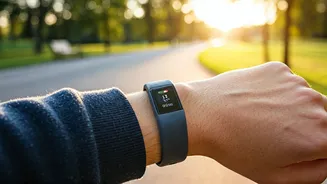
This movement lives on a handful of digital platforms that have become the new town squares for walkers. Apps like Strava, once the domain of hardcore cyclists and runners, now have thriving communities of casual walkers who share maps, give “kudos” on completed strolls, and join local challenges. AllTrails helps users discover new paths and review them for others, creating a crowdsourced library of a region’s best walks. Beyond specialized apps, the trend flourishes in more general-purpose spaces. Facebook Groups dedicated to local walking clubs or specific goals (like hitting 10,000 steps a day) have tens of thousands of members. On Instagram and TikTok, hashtags create massive, sprawling conversations, connecting a user in Ohio with another in California through a shared love of their daily constitutional.
More Than Just Counting Steps
So, why is this happening now? The reasons are a perfect storm of post-pandemic behavioral shifts and a broader search for accessible wellness. After years of being cooped up, many Americans rediscovered the simple pleasure of the outdoors. Walking is free, requires no special equipment, and can be done almost anywhere. It’s the antithesis of expensive, high-intensity gym culture. Furthermore, it directly addresses the modern loneliness epidemic. These online groups offer a sense of belonging and gentle accountability. The comments on a shared walk—“Great job!” or “Looks like a beautiful day for it!”—are small digital affirmations that foster real motivation. Even trends like the “silent walk,” where individuals walk without headphones or distractions, become community-oriented when people share their experiences and feelings online afterward.
Motivation Without the Intimidation
Perhaps the most significant appeal of online walking communities is their inclusivity. Unlike elite running clubs or CrossFit boxes that can feel intimidating to newcomers, walking is a universally accessible starting point for fitness. There’s no barrier to entry. This digital ecosystem provides the perfect blend of support without pressure. You can share your progress when you want, lurk quietly when you don’t, and find encouragement from people who understand that sometimes, the biggest victory is just getting out the door. It’s a fitness culture built on encouragement rather than competition, celebrating consistency over intensity. For millions, it has proven to be a more sustainable and mentally healthy way to stay active, proving that community is one of the most powerful motivators of all.