
The Burnout of the Bucket List
For decades, the travel dream was a checklist of iconic, ‘postcard-perfect’ locations. The Eiffel Tower, the Colosseum, Times Square. You went, you saw, you got the photo to prove it. But a growing weariness has set in. This phenomenon, often called ‘overtourism,’
has transformed many of the world’s most beloved sites into stressful, overcrowded theme parks. Instead of serene contemplation, you get a mosh pit of selfie sticks. The magic is suffocated by the logistics of navigating a human sea. Travelers are reporting a sense of burnout not from their jobs, but from their vacations. The pressure to ‘do’ the famous spots, combined with the reality of long lines, inflated prices, and the feeling of being just another face in the crowd, is leading to a profound reevaluation. What’s the point of reaching a destination if the experience itself is miserable? This question is at the heart of a major shift in how Americans are choosing to spend their precious time off.
The Search for Authenticity
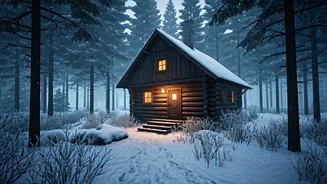
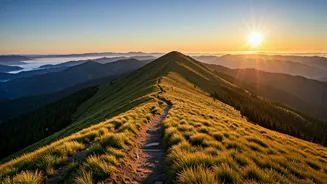
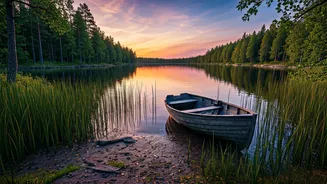
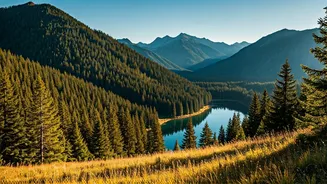
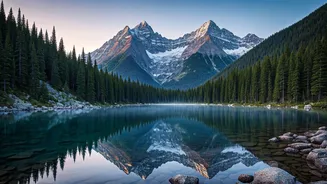
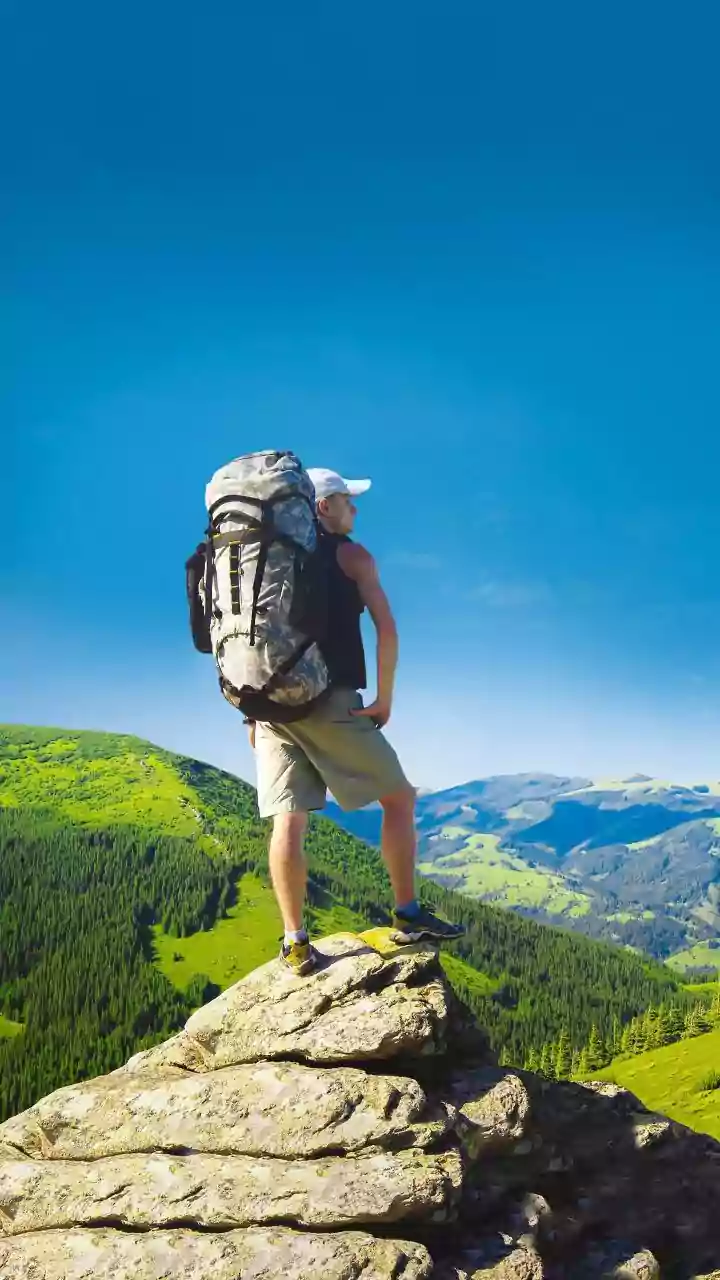
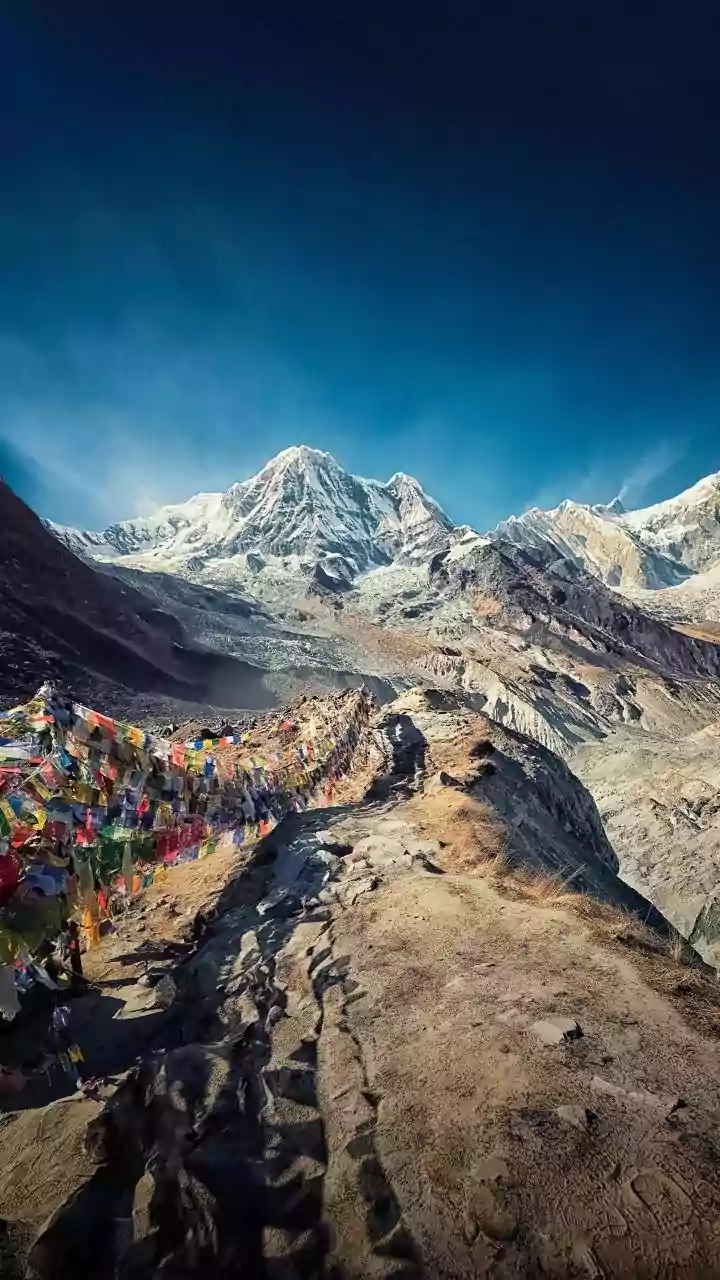
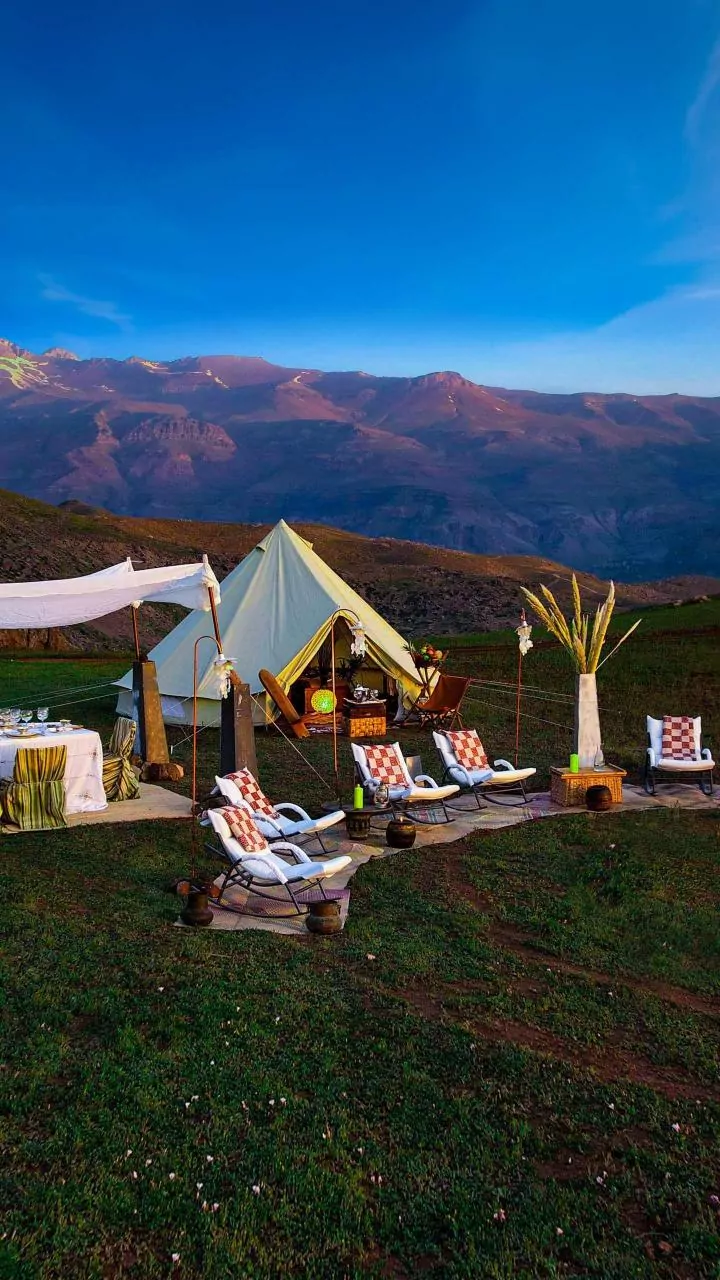
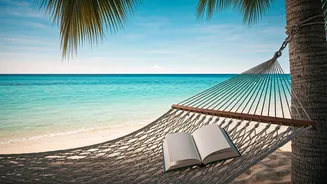
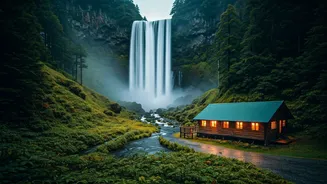
The antidote to the postcard crush is the ‘quiet escape.’ This doesn’t necessarily mean a silent meditation retreat (though it can). More often, it’s a deliberate choice to seek out places that offer genuine connection and a slower pace. Instead of a sprawling resort, travelers are booking cabins in the woods of Vermont or bungalows in less-trafficked Florida beach towns. Instead of a whirlwind tour of Europe’s capital cities, they’re choosing to spend a week in a single small village in the French countryside or a lesser-known Greek island. This movement is fueled by a desire for authenticity. People want to eat at the restaurant the locals love, not the one with a laminated menu in five languages. They want to hike a trail where the only sound is the wind, not a tour guide’s megaphone. It’s a pivot from consumption to connection—connecting with nature, with a local culture, and, perhaps most importantly, with themselves and their travel companions, away from the constant pressure to perform for a social media feed.
Social Media's Double-Edged Sword
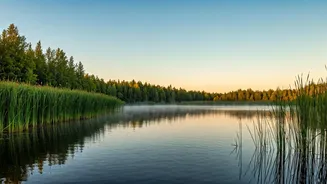
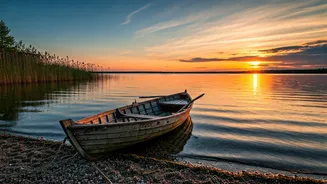
Ironically, the same force that helped create overtourism is now fueling the quiet escape trend. While Instagram’s geotags have been blamed for funneling unsustainable crowds to once-hidden gems, a different kind of influencer has emerged. These are the creators who champion ‘slow travel’ and celebrate the charm of the overlooked. Their feeds are less about dramatic, staged photos at famous landmarks and more about the cozy feeling of a morning coffee on a porch overlooking a misty lake. They offer a new kind of aspiration: not to be seen at the ‘it’ spot, but to have an experience that feels personal and unique. Travel platforms and publications are taking notice. Search terms like ‘destination dupes’—finding a less-crowded alternative to a famous hotspot—are surging. This digital word-of-mouth is empowering travelers to step off the beaten path with confidence, armed with recommendations for places that offer the vibe they’re looking for without the hassle.
The New American Road Trip
This trend is particularly visible within the United States. While national parks like Zion and Yellowstone still face crowding issues, many travelers are discovering the vastness in between. The new American road trip isn't about getting from Point A to Point B as quickly as possible; it’s about the journey itself. It’s about exploring the quirky small towns of the Midwest, the rugged coastline of Oregon beyond the popular spots, or the unique cultural pockets of the Deep South. This shift benefits smaller communities that have historically been overlooked by the tourism industry. It spreads the economic benefits of travel more evenly and fosters a more sustainable model. Travelers get a richer, more varied experience of their own country, discovering that the most memorable moments often happen far from any landmark they’d ever seen on a postcard.