
1. The Rise of the True Modular
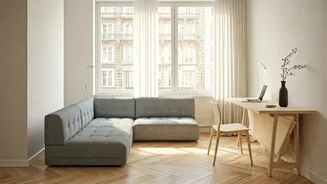
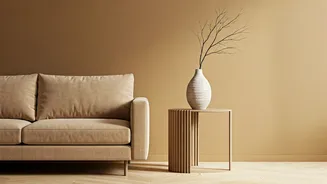
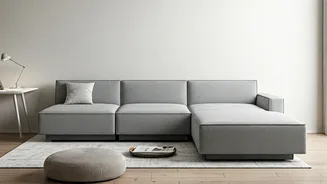
Modular furniture isn't new, but its recent evolution is a game-changer for small spaces. Forget the clunky, limited sectionals of the past. Today's modular pieces, from brands like Burrow, Floyd, and even mainstream retailers like West Elm, are designed
for ultimate adaptability. Sofas can be reconfigured from a loveseat to a three-seater with a chaise by simply adding or moving a unit. Armrests can be swapped, chaise lounges can switch sides, and some systems even incorporate side tables or charging ports. This isn't just about fitting a couch into a room; it's about owning a piece of furniture that can evolve with you, moving from your first tiny studio to a slightly larger one-bedroom without needing to be replaced. It's a long-term investment in flexibility.
2. Everything Is Secretly Something Else
The golden rule of small-space living is that every item should earn its keep, and the market is now flooded with clever, multi-functional designs. The lift-top coffee table, once a clunky novelty, has become a sleek WFH essential, transforming a living room into a temporary office with a comfortable work surface. Storage ottomans are now indistinguishable from high-end decorative pieces, hiding blankets, remotes, and clutter in plain sight. We're also seeing a surge in C-shaped side tables that can slide over a sofa arm for laptop use or tuck away neatly, and nesting tables that provide extra surface area for guests before stacking into a single, compact footprint. This trend moves beyond pure utility; it's about integrating function so seamlessly that your decor looks intentional, not just practical.
3. Walls Are Your New Best Friend
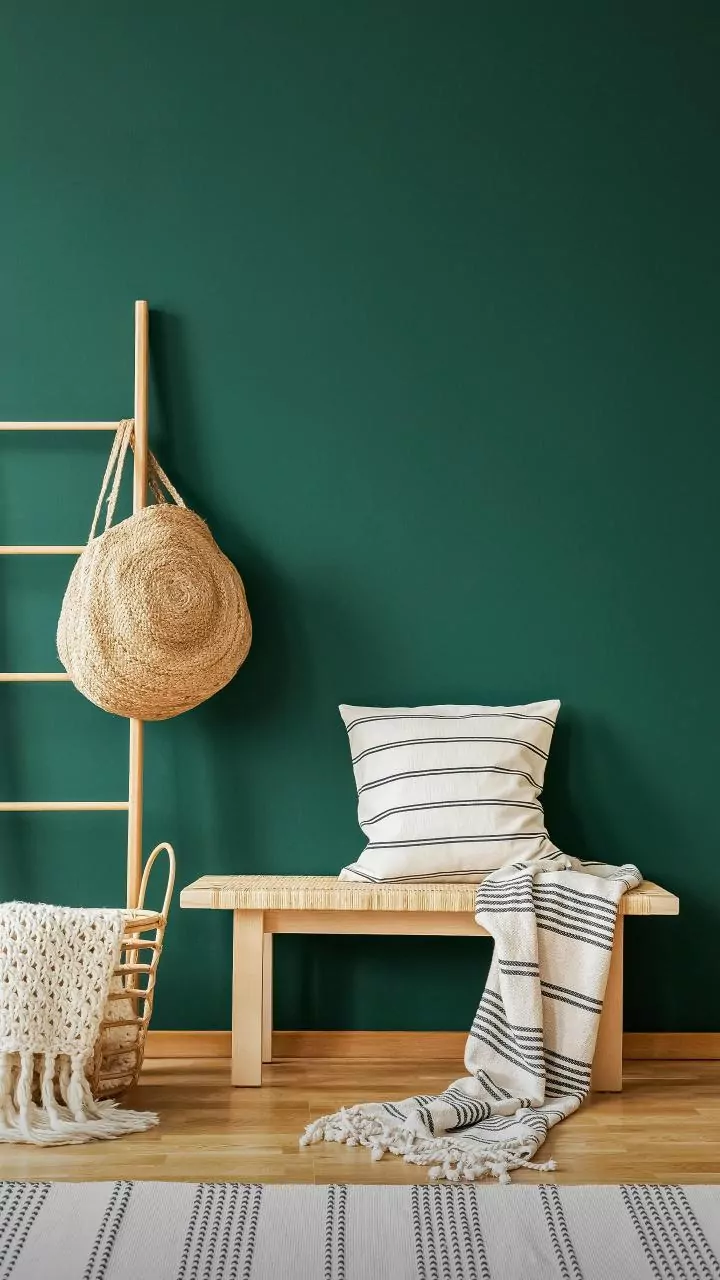
When floor space is at a premium, the only way to go is up. Designers have finally made vertical storage beautiful. Floating shelves and wall-mounted bookcases create storage and display opportunities without the visual bulk of a traditional floor unit. The real innovation, however, is in wall-mounted desks. These fold-down surfaces provide a dedicated workspace that completely disappears when the workday is done, freeing up valuable floor space for living. Similarly, leaning ladder shelves offer a stylish, airy alternative to heavy bookcases, providing vertical storage with a minimal footprint. This approach tricks the eye, drawing it upward and making a room feel taller and more open, all while decluttering the floor.
4. The Stylish Disappearing Act
Items that can vanish on command are the superheroes of small-home decor. The Murphy bed is the classic example, but modern versions are a world away from the creaky contraptions of old sitcoms. Today’s wall beds are integrated into sophisticated cabinetry systems that can include built-in sofas, desks, or shelving, making them a truly seamless part of a living room. Beyond beds, the expandable dining table has also received a major upgrade. New designs feature hidden leaves and clever engineering that allow a console table or a small four-person table to gracefully expand to seat eight or more. This allows you to host dinner parties without sacrificing your living space to a massive table year-round.
5. Visual Lightness as a Strategy
Adaptability isn't just about physical transformation; it's also about visual perception. A key trend in small-space decor is the use of materials and shapes that reduce visual weight. Furniture with thin, raised legs—a hallmark of mid-century modern design—creates an illusion of spaciousness by allowing you to see the floor underneath. Clear acrylic or lucite pieces, like console tables or chairs, take up functional space without taking up any visual space at all, almost seeming to float in a room. Furthermore, the strategic use of large mirrors has become a go-to trick for designers. A well-placed mirror doesn't just reflect light; it can double the perceived size of a space, making it feel instantly larger and less confined.