



The Old-Fashioned Wisdom
For generations, eating seasonally wasn't a trend; it was just… eating. It was the natural rhythm of life, dictated by what the local land could produce. The logic was simple and unassailable. Fruits picked at their peak of ripeness simply taste better.
A sun-warmed tomato in July has a depth of flavor that its pale, hard-as-a-rock January counterpart can only dream of. Because they don't have to be shipped from across the globe, seasonal fruits are often more affordable and have a smaller carbon footprint. They also tend to be more nutrient-dense, having been allowed to mature fully on the vine, tree, or bush before being harvested. This isn't a radical concept; it's agricultural common sense. It connects us to our environment, our local farmers, and the simple, profound pleasure of eating something delicious at the exact moment nature intended.
The Wellness Culture Makeover
Enter modern wellness culture. This multi-billion-dollar industry has a genius for taking simple, accessible ideas and making them complicated, exclusive, and expensive. Seasonal eating was a prime target. Suddenly, a juicy watermelon isn't just a hydrating summer treat; it's a 'tool for lymphatic drainage.' Tart cherries in July aren't just for pies; they are 'nature’s answer to post-workout inflammation.' And that handful of autumn-harvested cranberries? They’ve been elevated to a 'urinary tract support elixir.' The language is a dead giveaway: words like 'detoxify,' 'optimize,' 'bio-hack,' and 'cleanse' are used to frame fruit not as food, but as medicine or a performance-enhancing supplement. This makeover creates a new set of anxieties. Are you eating the *right* super-fruit for the season? Are you missing out on the 'peak antioxidant window' of the elderberry? This approach transforms the joy of discovery at a market into a high-stakes scavenger hunt for the most Instagrammable, wellness-approved produce, often supplemented with a pricey powder or tincture.
Stripping Away the Jargon
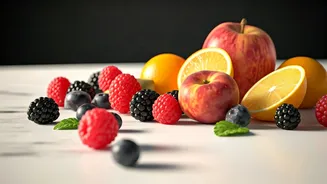
Let's be clear: fruits are incredibly good for you. They are packed with vitamins, minerals, fiber, and beneficial plant compounds. But their benefits don’t require a wellness guru's translation. The deep colors of summer berries from blueberries to raspberries signal the presence of anthocyanins, powerful antioxidants that are good for your brain and heart. You don't need to call it 'neuro-protective' to get the benefit. The vitamin C in winter citrus fruits like oranges and grapefruits is fantastic for immune support, a simple fact that predates the invention of 'immunity-boosting' green juices by centuries. The fiber in an autumn apple helps with digestion and keeps you full, no 'gut health protocol' required. The core problem with the wellness narrative isn’t that it's entirely false—it’s that it over-hypes and mystifies basic nutrition, creating a barrier to entry for people who just want to eat a little healthier without earning a PhD in biochemistry.
How to Reclaim the Joy
The good news is that you can opt out of the wellness rat race and still reap all the rewards of seasonal eating. The first step is to shift your mindset from optimization to enjoyment. Instead of asking 'What does this fruit do for me?' try asking 'What's fresh and looks delicious today?' Visit a local farmers market without a list and let your senses guide you. Talk to the growers. Ask them what’s at its absolute peak. They won't talk about 'cellular rejuvenation'; they'll talk about sweetness, texture, and the best way to eat it. Buy a strange-looking heirloom tomato or a type of plum you've never seen before. The spirit of seasonal eating is about abundance and pleasure, not restriction and clinical precision. By focusing on flavor and connection, you're not just eating food; you're participating in a joyful, deeply rooted tradition that costs less and tastes better than any wellness trend.