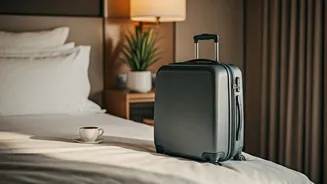







More Than Just a Long Weekend
First, let’s define our terms. A micro-cation isn't just a spontaneous decision to take Friday off. It's a deliberately planned trip of one to four nights, designed to provide a concentrated dose of rest and novelty. The key difference lies in its intention.
While a long weekend might be spent running errands or catching up on chores, a micro-cation is a dedicated escape. The 'anti-annual-leave' philosophy here isn’t about demonizing the classic two-week vacation; it's about acknowledging that for many, saving up enough time and money for that one big trip a year is a recipe for burnout in the other 50 weeks. Micro-cations act as pressure-release valves, sprinkling smaller, more manageable breaks throughout the year.
The Psychology of the Quick Escape
Why does this work so well? Psychologically, the benefits are twofold. First, frequent, shorter breaks can be more effective at combating chronic stress than a single, long vacation. By regularly stepping away from work and daily pressures, you prevent burnout from accumulating. A long vacation can feel like a distant oasis, but a micro-cation is an attainable reward that's always just a few weeks away. Second, these trips tap into the 'peak-end rule,' a cognitive bias where we judge an experience based on how we felt at its most intense point (the 'peak') and at its end. A short, well-executed trip packed with one or two amazing moments can create a more positive and lasting memory than a longer, more diluted vacation where minor annoyances and travel fatigue set in. The anticipation of the next trip also provides a consistent mood boost.
How to Master the Micro-Cation
Making a short trip feel restorative requires a bit of strategy. The goal is to maximize relaxation and minimize stress. Start by choosing a destination that's easy to reach—ideally within a two-to-four-hour drive or a short, direct flight. Wasting a precious half-day on layovers defeats the purpose. Once there, resist the urge to over-schedule. Instead of a packed itinerary, plan one big thing: a fantastic dinner, a scenic hike, or a visit to a museum you’ve always wanted to see. Build the rest of your time around relaxation. Most importantly, unplug. A micro-cation fails if you spend it tethered to your work email. Set an out-of-office reply, notify colleagues you'll be unavailable, and give yourself permission to truly disconnect. This is your time to recharge, not just change your work-from-home location.
The Realist's Guide: Pros and Cons
While micro-cations are a brilliant tool, they aren't a perfect substitute for extended time off. The primary benefit is accessibility—they cost less, use fewer vacation days, and are easier to plan. You can explore more places throughout the year and never feel too far from your next break. However, the downside is depth. A three-day trip doesn't offer the same opportunity for deep cultural immersion or the profound sense of disconnection that a two-week journey can provide. For destinations further afield, travel time can consume a significant chunk of your break, leaving you feeling rushed. The ideal approach is to see micro-cations as a supplement to, not a replacement for, longer vacations. Use them to explore nearby cities, recharge in nature, and maintain your sanity between those bigger adventures.