





A Market Measured in Billions
To understand this shift, you first need to grasp the sheer scale of India's food delivery scene. Forget the occasional Friday night order; for millions in urban India, app-based ordering is a daily ritual. Giants like Zomato and Swiggy have become integral
parts of city life, moving millions of meals a day. This isn't just a convenience; it's a fundamental utility. The market, already valued at over $20 billion, is fueled by a massive young, tech-savvy population with growing disposable incomes and less time or inclination to cook. For this demographic, the phone is the kitchen. But as their reliance on delivery has grown, so have their expectations. Speed is no longer the only metric; quality is the new frontier.
The Soggy Dosa Dilemma
The central challenge is that much of India’s beloved cuisine was never designed for a 30-minute journey on the back of a scooter. Think of a crispy dosa, a delicate, paper-thin crepe. It loses its magic within minutes. Or consider chaat, the vibrant street-food category full of crunchy, saucy, textural wonders that turn to mush when pre-mixed. Even a complex thali, with its dozen small bowls of gravies, vegetables, bread, and rice, presents a logistical nightmare of leaks and temperature clashes. For years, customers grimaced and accepted that a delivered meal was an imperfect copy of the restaurant experience. But now, younger Indians, accustomed to global standards of quality in everything from streaming to smartphones, are asking a simple question: Why can’t our food be better?
Designing the 'Delivery-First' Dish
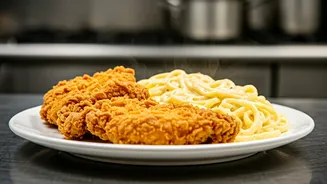
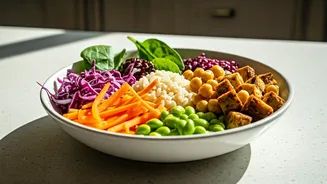
The industry's answer is a radical rethinking of the menu itself. Enter the era of 'delivery-first' or 'delivery-proof' cuisine. This isn't just about avoiding problematic dishes; it's about re-engineering recipes to withstand, and sometimes even benefit from, the journey. Chefs are creating deconstructed versions of popular meals—sending crispy elements, sauces, and bases separately so the customer can do the final assembly, guaranteeing freshness. They are developing biryanis and curries with gravies that are slightly thicker, designed to settle and meld perfectly during transit. Some restaurants are leaning into foods that travel exceptionally well, like hearty grain bowls, wraps with low-moisture fillings, and baked goods. The menu is no longer just a list of what a kitchen can cook, but a curated selection of what can survive—and thrive—outside the restaurant walls.
When the Box Becomes the Plate
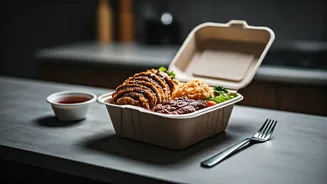
Parallel to menu innovation is a revolution in packaging. The flimsy foil container and leaky plastic bag are on their way out. In their place are sophisticated, purpose-built solutions that would impress an engineer. We're seeing compartmentalized trays that keep hot curries from wilting fresh garnishes, vented lids that allow steam to escape so fried items stay crisp, and eco-friendly materials that don't impart a plasticky taste. Companies are investing heavily in packaging R&D, creating spill-proof containers for soupy dals and insulated boxes that maintain temperature. The box is no longer an afterthought; it’s a crucial part of the dining experience, designed to be the final plate and protect the integrity of the chef’s work.