




More Than Just a Pretty View
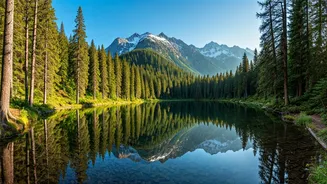
For decades, 'nature travel' meant scenic overlooks, national park road trips, and maybe a well-trodden hiking trail. The landscape was a beautiful backdrop for our vacation photos. But the emerging trend is something deeper and more immersive. Think
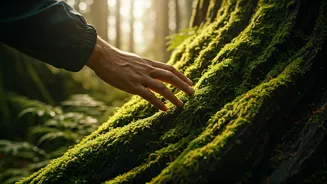
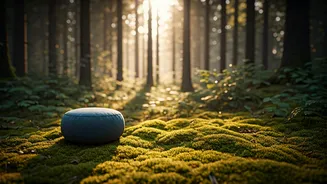
less about observing nature and more about participating in it. It goes by many names—biophilia travel, rewilding, regenerative tourism—but the core idea is the same: using travel to foster a profound, reciprocal connection with the natural world. It’s the difference between driving through Yellowstone to see Old Faithful and spending a week at a remote lodge learning about wolf pack tracking from a local biologist. This isn't about adrenaline-fueled adventure, but about quiet, intentional engagement. It’s travel that aims to soothe screen-addled minds and satisfy a primal human need to be part of an ecosystem, not just a visitor to it.
Why We're Craving the Wild
This shift didn't happen in a vacuum. It's a direct response to the pressures of modern life. The pandemic, in particular, accelerated our collective desire for open spaces and a slower pace. Confined to our homes, we rediscovered local parks and the simple solace of a walk in the woods. This has translated into a travel ethos that prioritizes mental and physical well-being. The concept of 'nature deficit disorder'—the idea that a lack of time outdoors harms human health—has gone from a fringe theory to a mainstream concern. At the same time, a growing awareness of the climate crisis is pushing travelers to seek out lower-impact, more meaningful experiences. Instead of a long-haul flight for a weekend getaway, many are opting for deeper dives into regional destinations, choosing experiences that contribute positively to local conservation efforts and communities.
What This Looks Like in Practice
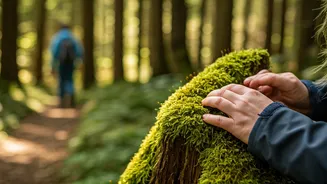
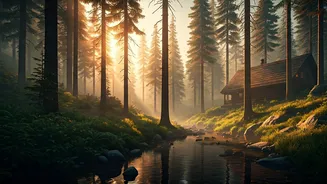
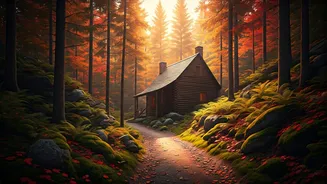
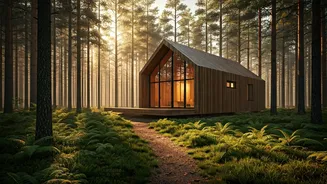
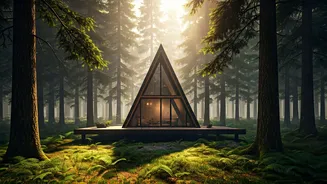
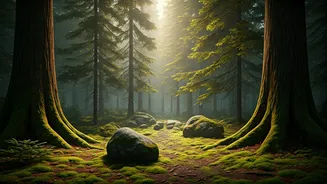
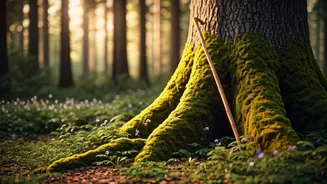
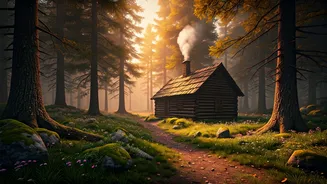
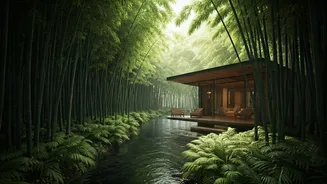
So, what does this new nature-centric travel actually involve? It’s a broad church, encompassing everything from luxury to rustic. It could be a stay at a 'biophilic' hotel, where the architecture itself is designed to maximize natural light, airflow, and exposure to plant life, blurring the lines between inside and out. Think rooms with retractable walls, living green walls, and construction using local, natural materials. On the more active side, it might mean joining a foraging tour to learn about edible plants in a forest, staying at a regenerative farm where you can participate in the agricultural cycle, or booking a trip centered around 'forest bathing' (*shinrin-yoku*), the Japanese practice of meditative walking among trees. It also includes citizen science expeditions, where vacationers help researchers collect data on wildlife, or stays in remote, off-grid cabins that force a digital detox and a return to simpler rhythms.
A Mindset, Not a Destination
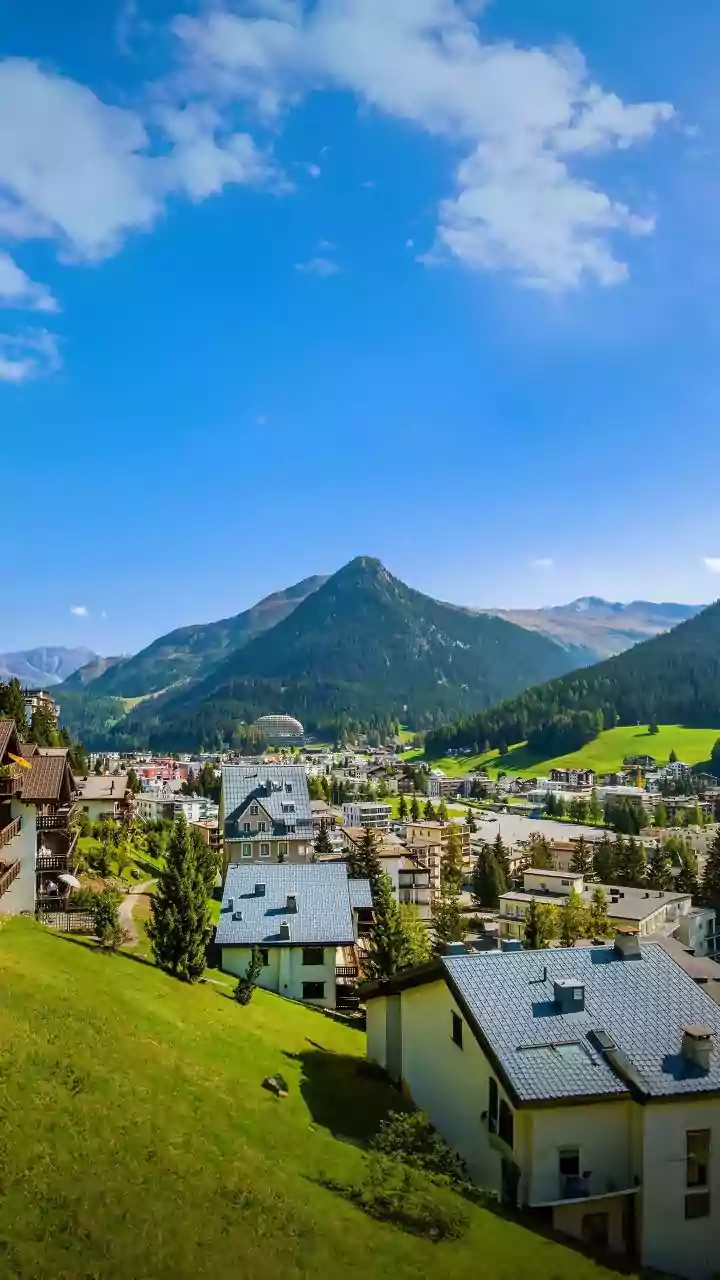
Ultimately, this trend is less about where you go and more about how you go. You don’t need to fly to a remote corner of the globe to experience it. It’s a mindset that you can apply to a weekend trip to a nearby state park or even an afternoon exploring a local nature preserve. It’s about choosing to leave your headphones behind, paying attention to the sounds and smells around you, and learning the names of a few local birds or trees. It represents a fundamental shift in values—away from consumption and toward connection. Travelers are increasingly asking not just 'what can this place do for me?' but 'how can my visit be a positive interaction?' This approach sees the environment as a living entity to be respected and restored, not a resource to be consumed.