



1. Tires: Your First Grip on Reality
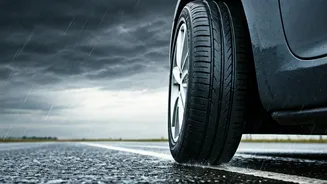
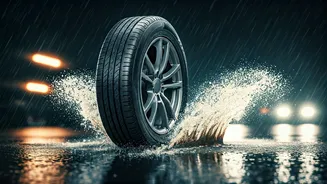
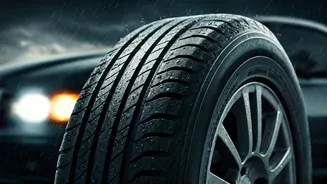
Your tires are the only part of your car that touches the road, and during a monsoon, that connection is critical. The primary danger on wet roads is hydroplaning, where a layer of water builds between your tires and the asphalt, causing a total loss
of steering and braking control. To prevent this, your tire tread needs to be deep enough to channel water away effectively. The classic 'penny test' is a reliable check: insert a penny into your tire's tread with Lincoln's head upside down. If you can see all of his head, your treads are worn below the safe limit of 2/32 of an inch and it's time for new tires. Also, check your tire pressure. Both underinflated and overinflated tires can reduce traction and handling. Your car’s recommended pressure is listed on a sticker inside the driver's side doorjamb—don't use the number on the tire itself.
2. Wipers and Fluid: See Through the Downpour
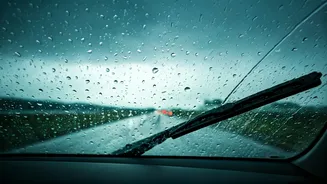
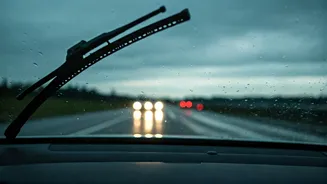
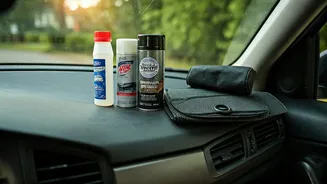
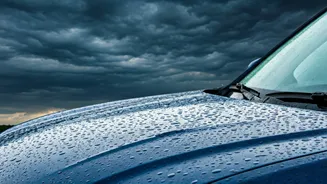
Visibility can drop to near zero in seconds during a monsoon downpour or a dust storm (haboob). Your windshield wipers are your first line of defense. Inspect the rubber blades for signs of cracking, splitting, or brittleness, which often results from sun damage during the dry months. If they leave streaks or skip across the glass, replace them immediately. It’s an inexpensive fix that has a massive impact on safety. While you're at it, top off your windshield washer fluid. You'll need it to clear the mud and debris that get kicked up onto your windshield during a storm. A quality fluid with rain-repellent properties can also help water bead up and roll off more easily, further improving your view.
3. Lights: Be Seen, Not Just See
In the low-light conditions of a heavy storm, your vehicle's lights are essential for both seeing the road and being seen by other drivers. Take a moment to walk around your car and check that all your lights are working: headlights (both low and high beams), taillights, brake lights, and turn signals. Ask a friend to help you check the brake lights. Headlight lenses can become foggy or yellowed over time, significantly reducing their brightness. You can restore them with a simple cleaning kit available at any auto parts store. Remember, in many states, it’s legally required to turn on your headlights whenever your wipers are in use. It's not just about illuminating your path; it's about announcing your presence to everyone else on the road.
4. Brakes: Your Ultimate Safety System
Wet conditions can increase your car's stopping distance, making fully functional brakes more important than ever. If you've noticed any squealing, grinding, or a spongy feeling when you press the brake pedal, get your system inspected by a professional immediately. These are warning signs that your brake pads or rotors may be worn. A mechanic can also check your brake fluid levels and condition. While a visual inspection of your brake pads is possible on some vehicles by looking through the spokes of the wheel, it's always best to have them checked during a routine service, especially before the storm season hits.
5. Emergency Kit: Be Prepared for the Worst
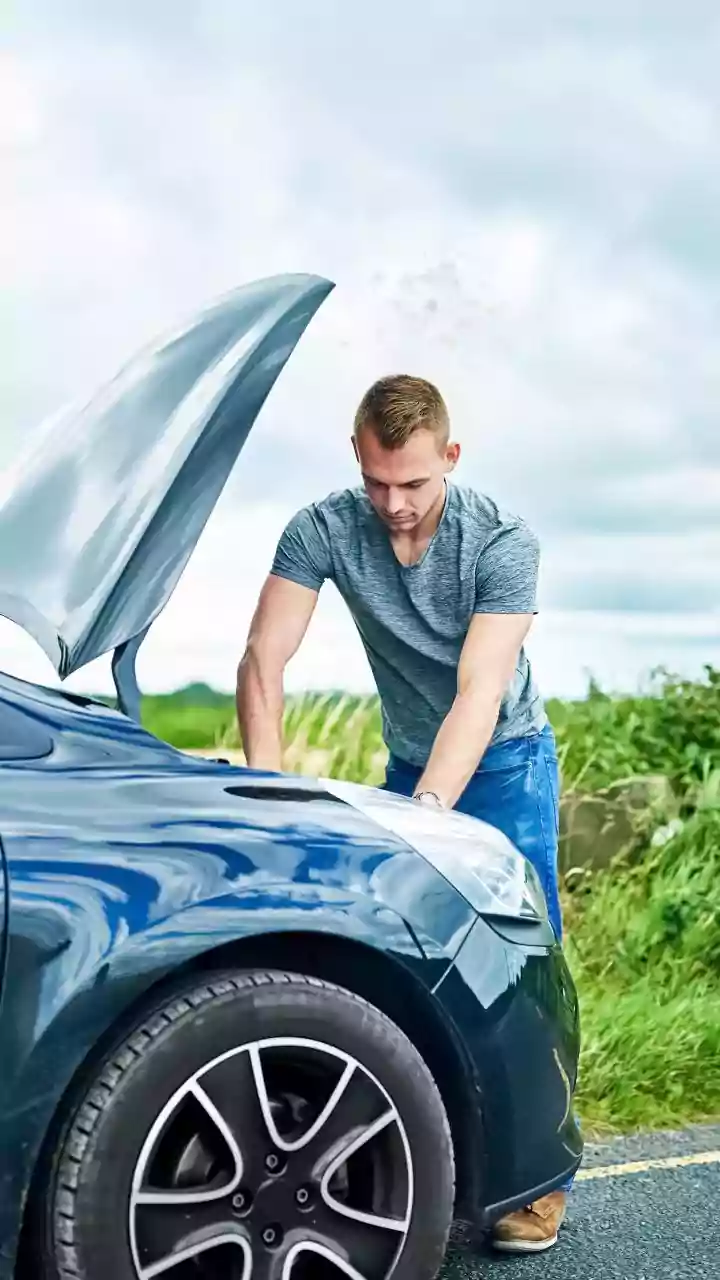
Even with a well-maintained car, the unpredictable nature of monsoon weather means you could still get stranded. A roadside emergency kit can be a lifesaver. Your monsoon-specific kit should include essentials like a flashlight with extra batteries, a first-aid kit, jumper cables, and a phone charger or power bank. Also add a few bottles of water, non-perishable snacks, and a blanket. Because flash floods are a major risk, consider adding a window breaker/seatbelt cutter tool that is easily accessible from the driver's seat. It's a small tool that could make a critical difference if you're ever trapped in your vehicle by rising water.
6. Driving Smarts: The Final Check
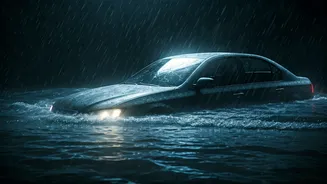
The most important safety check is a mental one. Know the rules for driving in monsoon conditions. If you encounter a flooded roadway, remember the National Weather Service's slogan: 'Turn Around, Don't Drown.' It only takes six inches of moving water to knock you off your feet, and just a foot of water can float many vehicles. If caught in a dust storm, pull as far off the road as possible, turn off all your lights (including your brake lights, so others don't follow you off-road), engage your parking brake, and wait for the storm to pass. The best decision is often to delay your trip until the worst of the weather has passed.