



The Power of a 'Nature Snack'
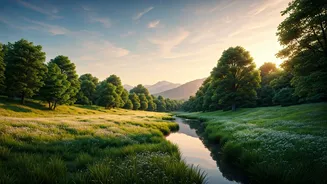
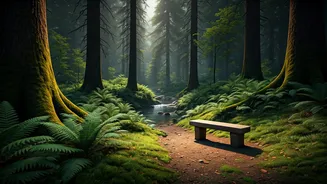
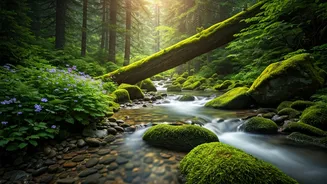
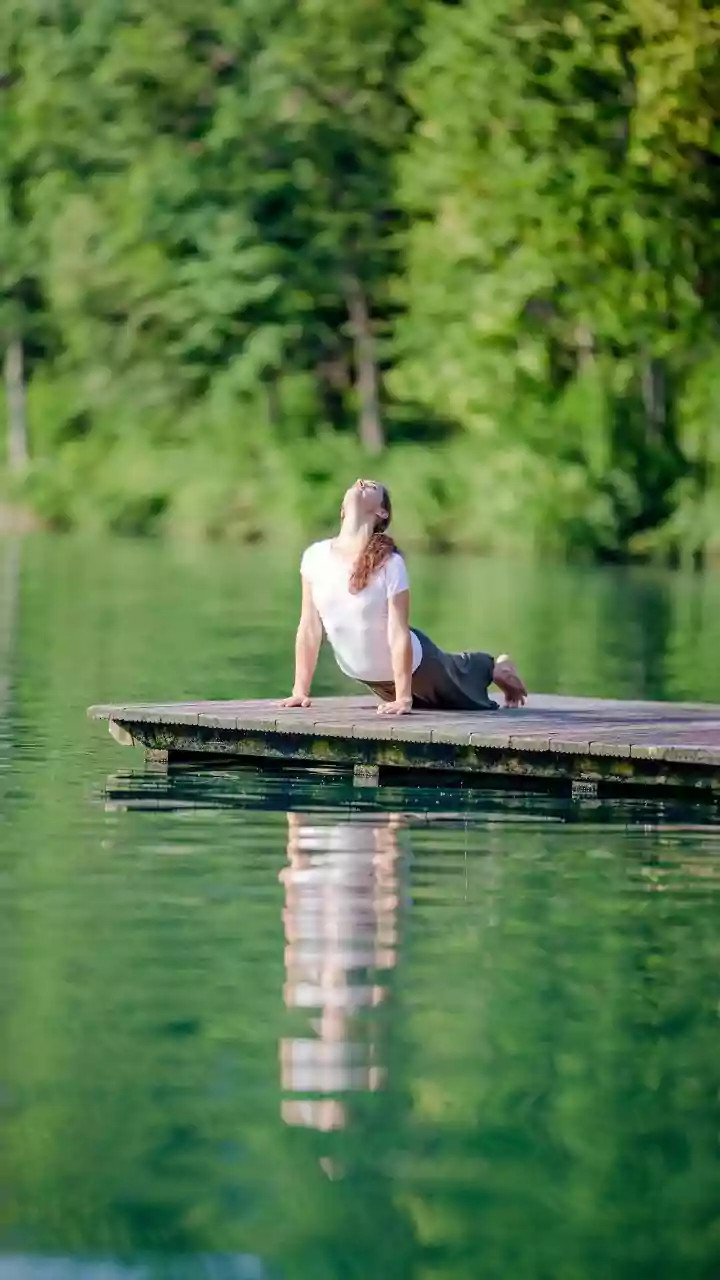
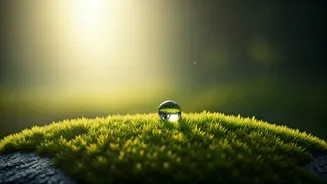
A 'green break' isn't a week-long trek into the wilderness. Think of it more as a 'nature snack'—a short, intentional dose of the outdoors designed to reset your mind and body. It could be a 15-minute walk through a local park on your lunch break, sitting
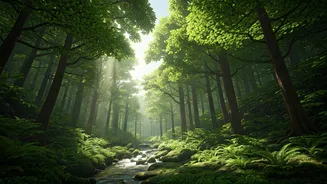
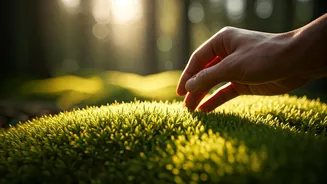
under a tree with a book, or even just tending to a few potted plants on your balcony. The key is shifting your environment, even briefly, from the built and artificial to the natural and living. This concept taps into the Japanese practice of *shinrin-yoku*, or 'forest bathing,' which emphasizes sensory immersion in nature to reduce stress and improve well-being. The goal isn't exercise or distance; it's presence.
Why Your Brain Loves Green
The feeling of relief you get in a park isn't just in your head—it's in your biology. When we're in urban environments, our brains are on high alert, constantly processing traffic, signs, and other people. This 'directed attention' is mentally exhausting. Natural settings, however, engage what psychologists call 'soft fascination.' The gentle rustling of leaves, the pattern of light through branches, or the movement of clouds captures our attention effortlessly, allowing our directed-attention faculties to rest and recover. Studies have shown that even short periods in green spaces can lower cortisol (the stress hormone), reduce blood pressure, and improve mood. You’re not just escaping the city; you’re giving your overtaxed brain a much-needed spa day.
A Natural Air Conditioner
One of the most immediate, tangible benefits of a green break is escaping the oppressive summer heat. Cities become 'urban heat islands' as concrete, steel, and asphalt absorb and radiate the sun’s energy far more than natural landscapes. A shaded, leafy park can be significantly cooler—sometimes by as much as 10-15 degrees Fahrenheit—than the surrounding streets. This is due to a combination of shade from tree canopies and a process called evapotranspiration, where plants release water vapor, actively cooling the air around them. Swapping a sun-baked sidewalk for a grassy lawn isn't just more pleasant; it’s a physical strategy for beating the heat and avoiding the lethargy that comes with it.
Finding Space in a Crowd
Crowd fatigue is a real phenomenon. Constantly navigating personal space, filtering out conversations, and being in a state of low-grade social awareness is draining. It leads to irritability and a desire to withdraw. Green spaces offer a psychological reprieve. Even in a busy park, the visual expanse of a lawn or a canopy of trees creates a sense of openness and mental breathing room. The non-human sounds of birds or wind can mask the urban din, reducing cognitive load. This change of scenery provides an escape not just from other people, but from the mental work of being around them, allowing you to recharge your social battery without having to become a hermit.
How to Take Your Green Break
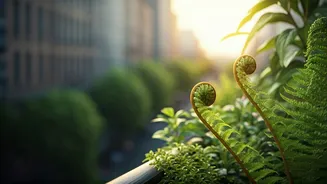
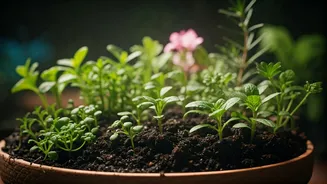
Incorporating green breaks into your routine is easier than you think. Start small. Identify the nearest 'pocket park,' community garden, or tree-lined street near your home or office. Dedicate 15 minutes of your lunch hour to walking there, sitting, and simply observing your surroundings—no phone allowed. If you work from home, bring nature to you; a few low-maintenance houseplants can improve air quality and provide a micro-dose of green. On weekends, instead of defaulting to a crowded brunch spot, pack a simple picnic and find a patch of grass. The trick is to reframe nature not as a destination for a vacation, but as a vital and accessible part of your daily urban life.