





A Land Older Than the Himalayas
First, a quick geography lesson for those of us stateside. Imagine a mountain range running parallel to the entire west coast of India, older than the Himalayas and so ecologically vital it's a UNESCO World Heritage Site. This is the Western Ghats, or Sahyadri
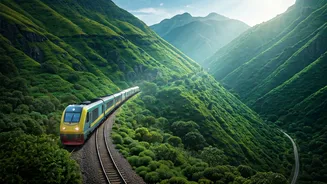
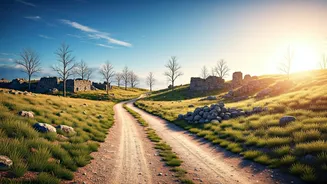
mountains. A world away from the crowded cities of Mumbai or Delhi, this 1,000-mile-long chain is a biodiversity hotspot, teeming with unique flora and fauna, ancient forts perched on dramatic cliffs, and thousands of waterfalls that only appear during the wet season. For centuries, this region was a quiet, almost spiritual destination, primarily for locals and seasoned adventurers who knew its secrets.
The Counterintuitive Allure of the Monsoon
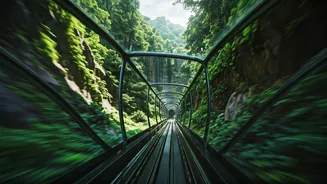
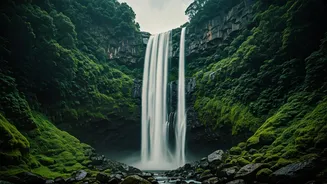
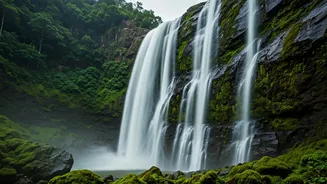
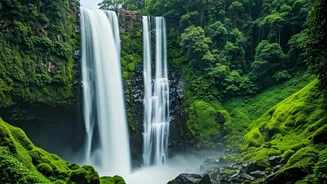
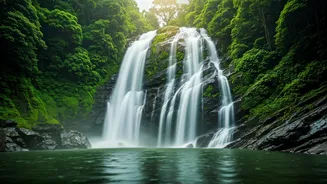
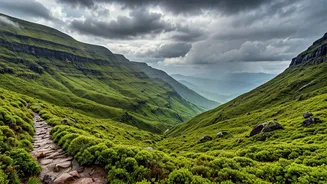
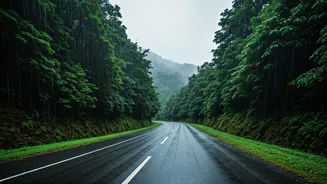
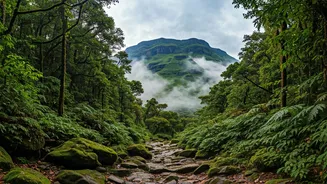
In most parts of the world, 'monsoon season' is a warning for travelers to stay away. But in the Western Ghats, it's the main event. From June to September, torrential rains transform the landscape. Dry, brown hills explode into a psychedelic, almost impossibly lush green. Dormant waterfalls burst from cliffsides, and a constant, cool mist hangs in the air, creating an ethereal, otherworldly atmosphere. Trekking here isn't about avoiding the rain; it's about embracing it. It’s a sensory experience: the smell of wet earth, the roar of a hidden cascade, the feeling of walking through clouds that have descended onto the trail. It's a powerful reminder that sometimes the most beautiful experiences aren't found in perfect weather.
When 'Offbeat' Becomes the Main Attraction
The headline's 'massive influx' is the heart of the story. For years, monsoon trekking was a niche activity. Today, it’s a full-blown phenomenon. The change agent, unsurprisingly, is social media. A single viral Instagram Reel or YouTube video of a spectacular, fog-draped cliff or a gushing waterfall can turn a little-known trail into a weekend superhighway. Trails that were once the domain of a few hardy souls are now seeing lines of hundreds, even thousands, of people on a single Sunday. Tour operators market 'offbeat' adventures that are now anything but. This isn't just about a few popular spots; it's a systemic shift where the digital quest for the perfect, undiscovered photo is creating traffic jams in the wilderness.
The Hidden Costs of Popularity
This newfound popularity comes at a steep price. The fragile mountain ecosystem isn't designed for this level of foot traffic. Trails are eroding under the constant pounding of thousands of boots, turning into muddy, unsafe gullies. The 'leave no trace' principle is often the first casualty of mass tourism, with plastic bottles, food wrappers, and other waste littering these once-pristine landscapes. Local villages, which lack the infrastructure to handle such crowds, are overwhelmed. More alarmingly, the surge in inexperienced trekkers, drawn by pretty pictures but unprepared for the treacherous, slippery conditions of a monsoon trail, has led to a rise in accidents and rescue operations. In response, local authorities have begun restricting access to some of the most overrun trails, a move that feels both necessary and tragic.
A Global Parable for Modern Travel
The story of the Western Ghats isn't just a local Indian issue; it's a parable for travel in the 21st century. It reflects a universal tension felt from the national parks of Utah to the beaches of Thailand. We all crave authentic, unique experiences. We want to see the world in its raw, unfiltered beauty. Yet the tools we use to discover and share these places—Instagram, TikTok, travel blogs—are the very things that can lead to their destruction. The 'offbeat' path, once found through word-of-mouth or a dusty guidebook, is now just a hashtag away. This boom in the Western Ghats is a perfect case study of what happens when a destination's digital fame outpaces its physical capacity.