






From Guard Dog to 'Fur Baby'
For generations, the role of a dog in many Indian households was functional: a guard for the property or a companion who subsisted on leftovers like rice, milk, and chapati. The concept of buying food specifically for an animal was a luxury, if not an entirely
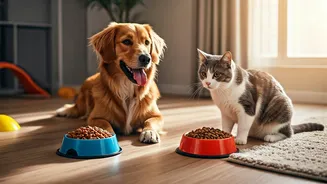
foreign idea. But that's changing, and fast. Driven by a wave of urbanization, rising disposable incomes, and a younger, globally-connected population, the relationship between Indians and their pets is being fundamentally redefined. Many millennials and Gen Zers, often living in apartments in bustling cities like Mumbai, Bengaluru, and Delhi, are delaying marriage and children, and instead lavishing their affection and income on pets. This isn't just about having a pet; it's about curating a lifestyle for them. The dog is no longer just a dog; it's a family member, a 'fur baby' deserving of the best, and that starts with what’s in their bowl.
The New 'Table Stakes': Specialized Diets
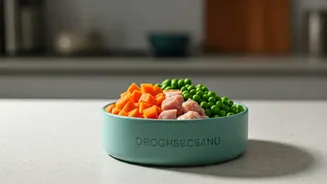
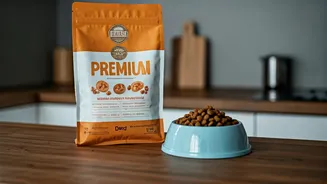
So what does “food that fits” actually mean to this new class of Indian pet parents? It means moving far beyond the one-size-fits-all bags of kibble that first defined the commercial market. The new demand is for specialization and transparency, mirroring trends that swept the U.S. pet food market a decade ago. Today’s discerning Indian consumer is looking for labels that say “grain-free,” “hypoallergenic,” or “human-grade.” They’re searching for diets tailored to a pet’s specific breed, age, or health condition, whether it’s a sensitive-stomach formula for a Labrador or a low-protein diet for a senior cat. Veterinarians and online influencers play a huge role in this education, highlighting the link between diet and common ailments like skin allergies and digestive issues. This quest for quality has opened the door for everything from imported premium brands to locally-made, fresh-food subscription services that deliver customized meals right to an owner's doorstep.
A Market Unleashed
This shift in mindset has ignited a fire under India’s pet care market, which is now one of the fastest-growing in the world. Analysts project the pet food segment alone to grow at a compound annual rate of over 15%, creating a multi-billion dollar opportunity. For years, the space was dominated by international giants like Mars, Incorporated (owner of Pedigree and Royal Canin) and Nestlé (Purina). While these legacy players still hold significant market share, they are now facing stiff competition from a slew of agile, domestic, direct-to-consumer (D2C) startups. Brands like Heads Up For Tails, Drools, and Farmina are capturing hearts and wallets by offering niche products, slick online ordering, and a brand story that resonates with the modern Indian pet parent. Investors have taken note, pouring millions into these homegrown companies, betting that the 'pet humanization' trend is not a fad but a long-term economic engine.
More Than Just Kibble
The demand for better pet food in India isn’t a story about dogs; it’s a story about a changing country. It’s a tangible indicator of the growth of a new middle class with new priorities. When people have the financial stability to worry about the nutritional profile of their pet’s food, it signals a broader shift in consumer consciousness toward health, wellness, and aspirational spending. This phenomenon, often called 'premiumization,' is the same force that drives demand for organic groceries, craft beer, and boutique fitness classes. What’s happening in the aisles of Indian pet stores is a microcosm of a larger economic evolution. It shows a consumer base that is more informed, more discerning, and more willing to pay for quality—not just for themselves, but for every member of their family, including the four-legged ones.