




A Railway Through the Heavens
The project at the heart of this push is the Udhampur-Srinagar-Baramulla Rail Link (USBRL). For decades, the Kashmir Valley, a region of stunning beauty and fraught politics, has been physically disconnected from India’s vast railway network. During harsh
winters, snow can close the main highway, isolating the valley for days or weeks. The USBRL project is designed to end that isolation permanently. Its goal is to provide a reliable, all-weather transportation artery connecting Jammu with the Kashmiri capital of Srinagar and beyond. Spanning over 170 miles, it’s a monumental undertaking that has been in progress for over two decades, facing innumerable geological, political, and weather-related hurdles. The recent “stronger push” signifies the final, most complex leg of this journey is nearing completion, with officials targeting a full opening in the very near future.
Engineering on an Epic Scale
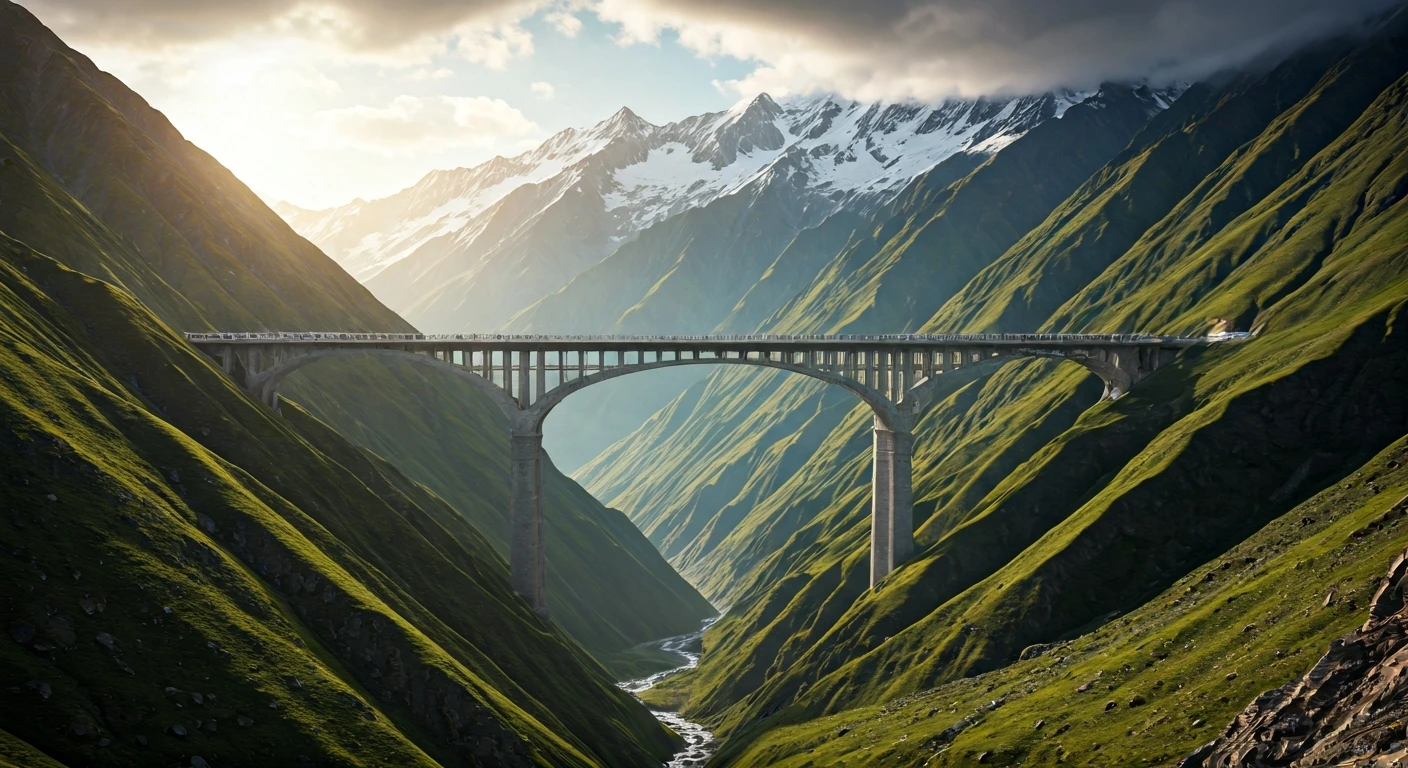
To understand the scale of this project, you have to appreciate the terrain. The railway has to cross the rugged Pir Panjal range of the Himalayas, a geologically young and unstable mountain system. This isn't like laying track across the American plains; it’s about conquering nature. The project involves a staggering number of tunnels and bridges. In fact, the majority of the line runs through tunnels bored deep into the mountainside. The crown jewel of the USBRL is the Chenab Rail Bridge. Soaring 1,178 feet above the riverbed, it is the highest railway bridge in the world—taller than the Eiffel Tower. Built to withstand high winds, seismic activity, and extreme temperatures, the bridge is a symbol of modern Indian engineering. It required constructing special access roads just to bring materials to the remote site. The Anji Khad Bridge, the country’s first cable-stayed railway bridge, is another marvel on the line. These aren't just infrastructure; they are national monuments to persistence.
The Strategic and Political Imperative
For the Indian government, the USBRL is about much more than passenger convenience. Jammu and Kashmir has been a point of contention between India and Pakistan since 1947 and, more recently, a site of strategic competition with China along its northern border. A reliable rail link provides the Indian military with the ability to move troops, equipment, and supplies into the sensitive region far more quickly and efficiently than the precarious mountain roads allow. This strengthens India's strategic posture in a contested neighborhood. Politically, the railway is a powerful symbol of national integration. By physically binding the Kashmir Valley to the rest of the country, New Delhi aims to foster economic development and quell separatist sentiments, presenting the project as a tangible benefit of being part of the Indian union. It’s a multi-billion-dollar statement of sovereignty and intent.
Unlocking an Isolated Economy
Beyond the geopolitics, the economic and social implications for the people of Kashmir are profound. The region's economy relies heavily on tourism and agriculture, particularly apples and saffron. The current reliance on a single, often-closed highway creates massive logistical bottlenecks, leading to spoilage and inflated costs. An all-weather train service will be a game-changer. It will allow farmers to get their produce to markets across India quickly and cheaply, boosting incomes and reducing waste. For tourism, it promises a safer and more reliable way for visitors to access the valley’s famous resorts and natural beauty, potentially creating a year-round industry. The railway will also make essential goods—from fuel to medicine—more accessible and affordable for the local population, fundamentally improving the quality of life in a region that has long felt disconnected.