



Decoding the Monsoon Forecast
When India’s Meteorological Department (IMD) predicts a “95% monsoon,” it’s not just another weather report—it's a headline that dictates the fortunes of over a billion people. For a U.S. audience, the figure might seem cryptic. It doesn’t mean a 95% chance
of rain. Instead, it refers to the predicted rainfall as a percentage of the Long Period Average (LPA), a 50-year baseline of monsoon precipitation. A forecast between 96% and 104% is considered “normal.” At 95%, this year’s prediction falls squarely in the “below normal” but very close to the normal range, a sigh of relief after anxieties about potential deficits. While meteorologists avoid words like “guarantee,” a forecast this solid signals a high probability that the life-giving rains will arrive on schedule and in sufficient volume. For a region that depends on this seasonal deluge for everything from agriculture to drinking water, a near-normal forecast is profoundly good news.
A Mountain Range Like No Other
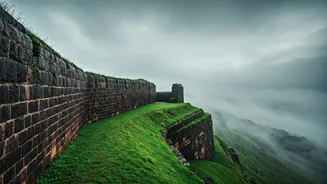
The true magic of this forecast comes alive in one of the planet’s most extraordinary places: the Western Ghats. Running parallel to India’s western coast, this 1,000-mile-long mountain chain is a UNESCO World Heritage Site and one of the world's top eight “hottest hotspots” of biological diversity. Older than the Himalayas, these mountains act as a colossal barrier, catching the moisture-laden winds sweeping in from the Arabian Sea. In the dry months, the Ghats can appear weathered and subdued, a palette of ochre and brown. But they hold a secret—a world of dormant seeds, sleeping insects, and waiting riverbeds. The entire ecosystem is poised for the monsoon’s arrival, which acts as a system-wide starting gun for an explosion of life.
The Great Green Makeover
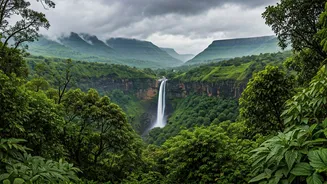
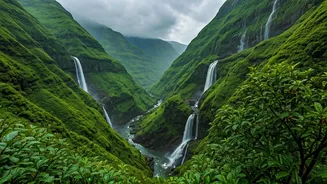
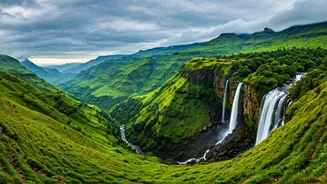
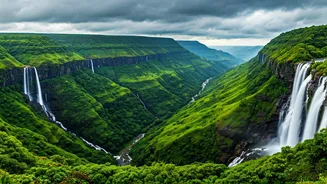
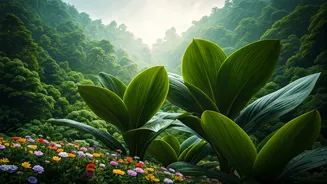
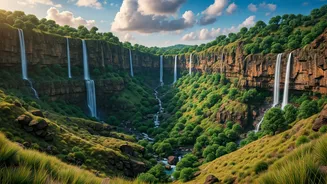
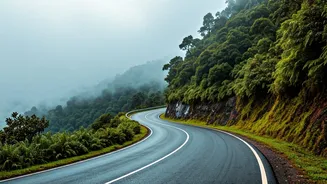
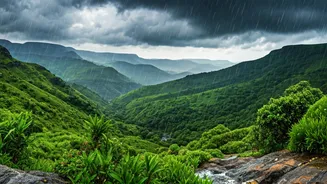
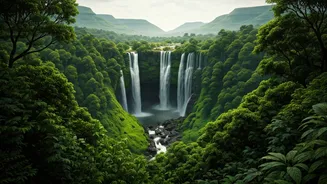
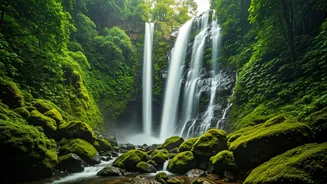
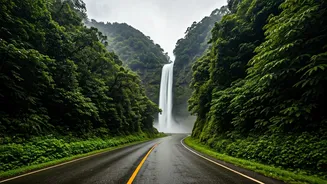
The transformation is nothing short of cinematic. Within weeks of the first rains, the landscape undergoes a radical change. Hills that were parched and dusty erupt in a thousand shades of impossible green. Waterfalls that were mere trickles, or had vanished entirely, roar back to life, cascading down dramatic black cliffs. The forest floor becomes a carpet of vibrant wildflowers, many of which exist nowhere else on Earth. This is the “lush landscape” the headline promises. Rivers swell, mist clings to the emerald peaks, and the air hums with the chorus of frogs and insects celebrating the return of water. For photographers, hikers, and nature lovers, the monsoon in the Western Ghats is a pilgrimage. It’s a chance to witness a powerful, primal process of renewal on a staggering scale, where the world seems to be remade before your very eyes.
Lifeblood of a Subcontinent
Beyond the staggering beauty, the monsoon’s performance in the Western Ghats has far-reaching consequences. The mountain range is the source of dozens of major rivers that provide water for hundreds of millions of people across southern and western India. A healthy monsoon recharges these river systems, fills reservoirs, and ensures the viability of agriculture for the entire year. The region’s famed spice, tea, and coffee plantations are entirely dependent on these seasonal rains. The ecological health of its dense forests, home to elephants, tigers, and a spectacular array of birdlife, is inextricably linked to this annual cycle. In this context, a reliable monsoon isn't just a scenic wonder; it is the foundational pillar of the region's economy, culture, and ecological stability. It’s a powerful reminder that some of the world's most beautiful phenomena are also its most essential.