

More Than Just a Few Potted Plants
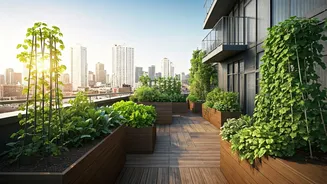
Forget the image of a single, sad-looking tomato plant. The modern terrace gardening movement is a masterclass in high-yield, small-space agriculture. It’s about leveraging every square inch of sun-drenched urban space—from a tiny apartment balcony to a sprawling
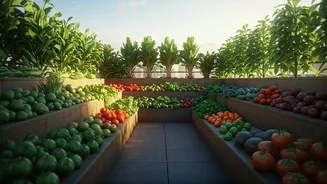
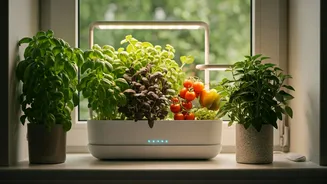
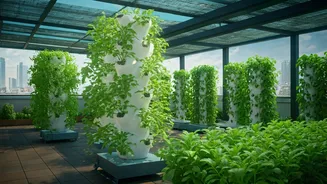
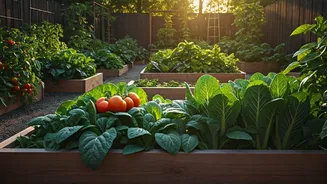
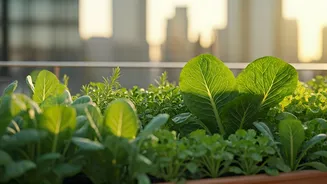
rooftop deck—to create a productive, edible landscape. Practitioners are using sophisticated techniques like vertical gardening with stacked planters, intensive succession planting to ensure a continuous harvest, and hydroponic systems that eliminate the need for soil altogether. This isn't just a hobby; it’s a strategic approach to food production. By choosing specific, high-value crops like herbs, salad greens, and prolific fruiting plants like cherry tomatoes and peppers, these urban gardeners are generating a surprising amount of fresh, organic produce right outside their kitchen doors.
The Seeds of a Modern Movement
So, why is this happening now? The trend exploded during the pandemic, when empty grocery store shelves and supply chain anxieties became uncomfortably real. That uncertainty planted a seed in the collective American psyche—a desire for more control and resilience. But the movement’s roots run deeper. It’s a response to rising food costs, concerns about pesticides and industrial farming practices, and a growing disconnect from where our food comes from. For many, it’s also a powerful tool for mental wellness. Tending to a garden provides a tangible, screen-free activity that reduces stress and fosters a sense of purpose and connection to nature, even in the most concrete of environments. This combination of practicality and personal well-being has turned a niche interest into a mainstream phenomenon.
Redefining “Absolute Self-Sufficiency”
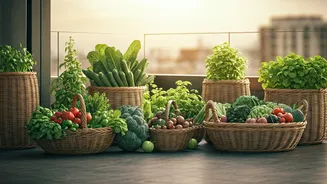
Let’s be clear: the term “absolute self-sufficiency” in the context of a terrace garden is an aspirational stretch. Very few, if any, city dwellers can grow 100% of their caloric needs on a balcony. But that was never the real point. The revolution isn’t about going completely off-grid; it’s about achieving what you might call “food agency.” It’s the power to supplement your groceries with food that is fresher, healthier, and more flavorful than anything you can buy. It's the security of knowing you can harvest a salad for dinner, snip fresh basil for your pasta sauce, or pluck a ripe tomato for a sandwich without a trip to the store. This dramatically reduces reliance on the grocery store for key ingredients, cuts down on food waste, and provides a buffer against price hikes and shortages. It’s not absolute independence, but it is a radical act of partial independence.
The New Urban Harvest
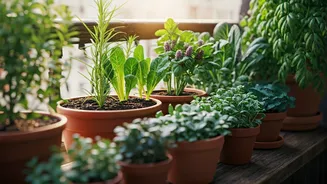
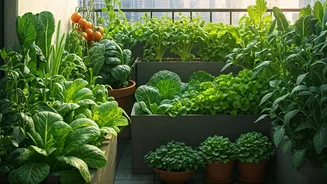
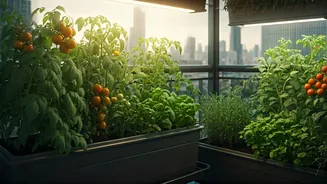
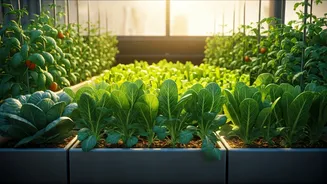
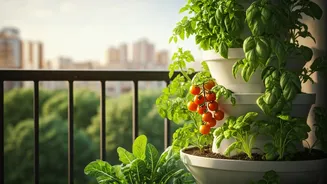
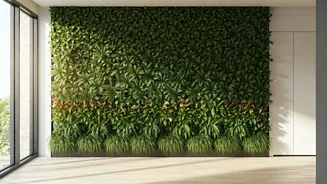
What does this new version of self-sufficiency look like in practice? It looks like a city apartment with a vertical wall of lettuce and spinach, producing fresh salads daily from spring through fall. It’s a collection of five-gallon buckets on a patio yielding dozens of pounds of tomatoes and peppers over a season. It’s a railing lined with gutter-style planters overflowing with a summer’s worth of kitchen herbs, from rosemary and thyme to mint and cilantro. Many urban gardeners focus on these “cut-and-come-again” crops and high-value items that are expensive to buy organic. By concentrating their efforts on what provides the most bang for the buck—both in terms of yield and cost-savings—they maximize their impact and genuinely transform their relationship with their food supply.