

First, What Is the Ambubachi Mela?
Imagine a massive spiritual gathering, part pilgrimage, part festival, centered around the Kamakhya Temple in Guwahati. This temple is a major Shakti Peeth, a revered site in Hinduism dedicated to the goddess Sati. The Ambubachi Mela celebrates the goddess's
annual menstruation, a powerful symbol of the earth's fertility and creative power. For four days, the temple's inner sanctum is closed as the goddess is believed to be undergoing her period. Outside, a sea of humanity—sadhus (holy men) in saffron robes, tantrics, families, and curious travelers—descends on the city, creating an atmosphere that is both intensely spiritual and vibrantly chaotic. It's a profound cultural event that, for centuries, has been defined by austerity and devotion.
The Traditional Taste of Devotion
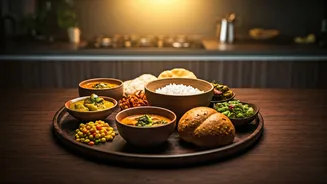
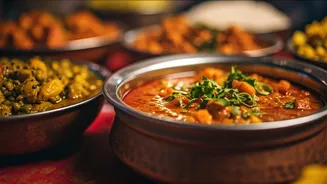
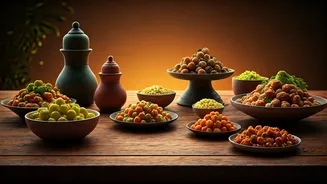
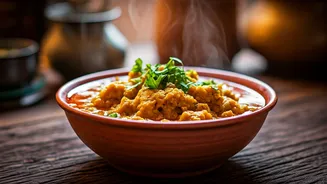
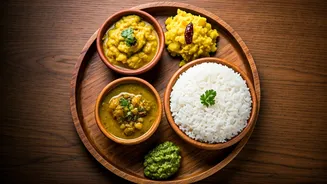
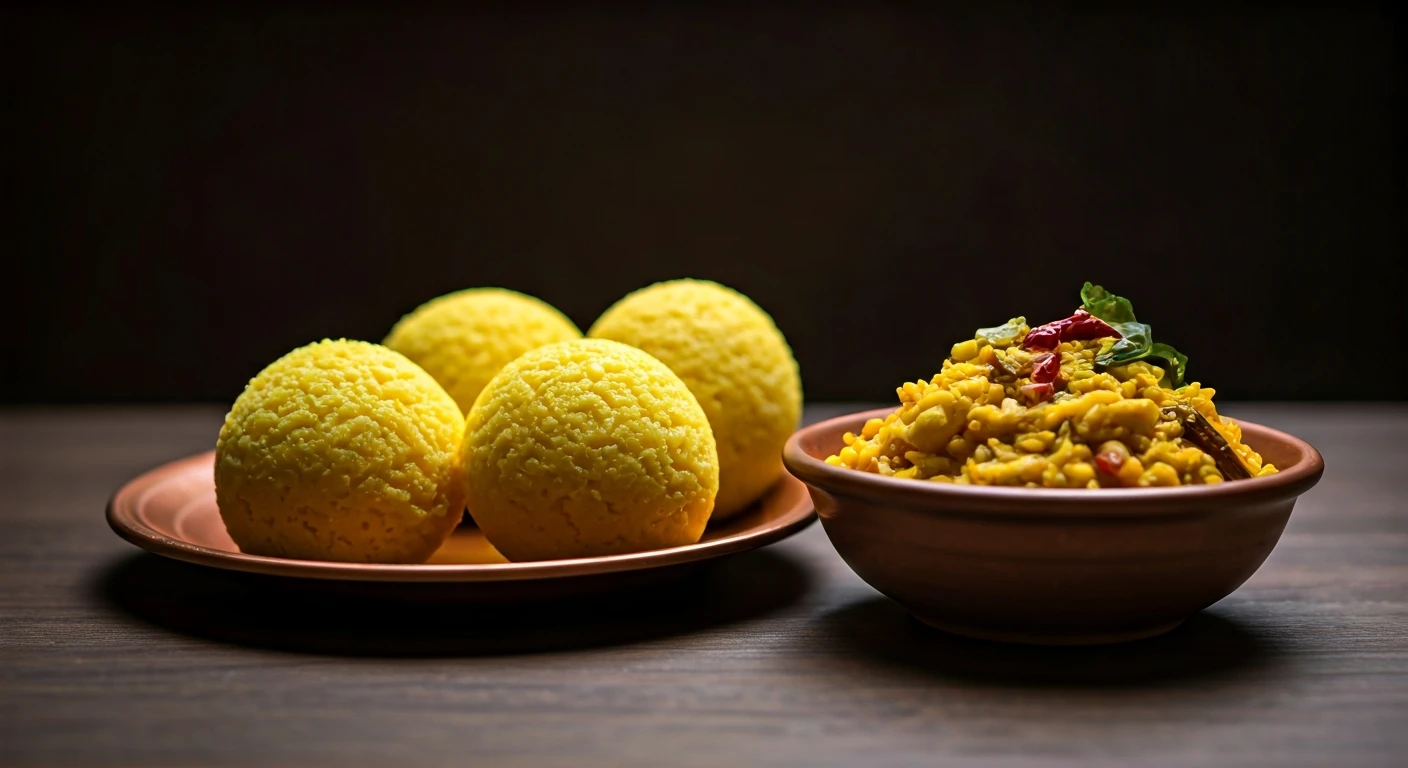
Traditionally, the food at Ambubachi Mela reflected its spiritual purpose. The emphasis was on simplicity and purity. For pilgrims and ascetics, the act of eating was not about indulgence but sustenance. The food served was almost exclusively 'sattvic'—a yogic and Ayurvedic concept for food that is pure, clean, and calming. Think simple vegetarian fare, often cooked without onion or garlic, which are considered 'rajasic' (stimulating). The quintessential Mela meal was often khichdi (a comforting rice and lentil porridge), dal, and rice, frequently distributed for free in massive community kitchens known as 'langars'. This food wasn't just fuel; it was 'prasad'—a blessed offering from the divine. The flavor profile was one of humility, community, and spiritual focus, not culinary excitement.
The New Flavor on the Streets
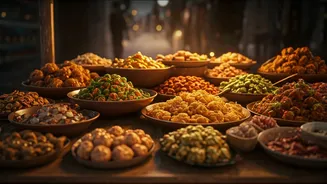
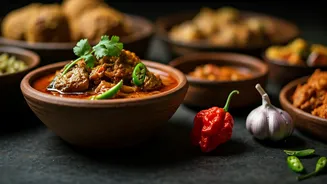
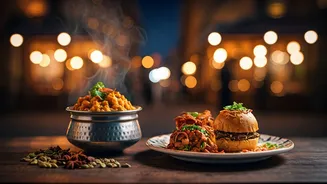
This is where things are “hitting different.” Walk through the fairgrounds of the Mela today, and alongside the traditional community kitchens, you'll find a sprawling, vibrant street food scene that tells a completely different story. The air, once thick only with incense, now carries the sizzle of oil and the scent of spices. Stalls selling steaming momos (Tibetan-style dumplings), spicy chaat (a savory snack mix), and chowmein (stir-fried noodles) do a roaring trade. You'll find vendors frying up golden-brown jalebis (a syrupy sweet) and serving chana masala with puffy bhature bread. It’s a sensory overload in the best way possible. This isn't the food of austerity; it’s the food of celebration, commerce, and a new generation of festival-goers whose palates are shaped by a more globalized, urban India. The simple, sattvic meals are still central to the core spiritual experience, but they are no longer the only option.
A Culinary Crossroads of Tradition and Modernity
So, why the change? It’s not a simple story of old versus new. Instead, it’s a reflection of a broader shift in India. As the festival has grown in fame, it has attracted a more diverse crowd, including younger people and tourists who come as much for the cultural spectacle as for the religious rites. For them, the festival experience includes exploring the local culture through its food. The proliferation of street food stalls is also a sign of local entrepreneurship. The Mela is a massive economic opportunity, and local vendors are eager to cater to the evolving tastes of the hundreds of thousands of visitors. This shift isn't an erasure of tradition but an expansion of it. The Mela is becoming a place where one can receive a blessed, simple meal at a langar in the afternoon and then grab a plate of spicy noodles with friends in the evening. It’s a space where ancient rituals and modern appetites coexist.