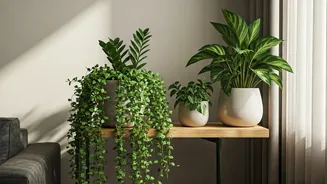



Start with The Survivor: The Snake Plant
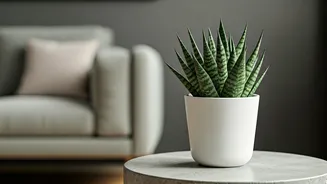
If you’re convinced you have a “black thumb,” the Snake Plant (Sansevieria trifasciata) is here to prove you wrong. With its stiff, architectural leaves that grow straight up, it adds a touch of modern, sculptural elegance to any corner. It’s the definition
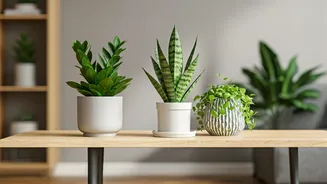
of a set-it-and-forget-it plant. Snake Plants thrive on neglect. They prefer bright, indirect light but are famously tolerant of low-light conditions, making them perfect for that dim hallway or north-facing room. The number one rule? Do not overwater. Let the soil dry out completely between waterings—this could mean watering as little as once a month, depending on your home’s humidity. They are also known for their air-purifying qualities, filtering common household toxins from the air while you sleep. It's a health benefit and a style statement in one hardy package.
Embrace The Drape: The Golden Pothos
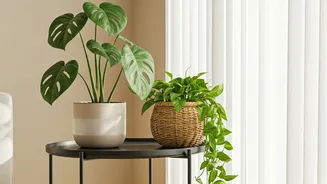
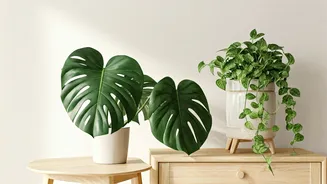
For a bit of romantic, trailing greenery, the Golden Pothos (Epipremnum aureum) is an undisputed champion of the low-effort category. Its heart-shaped leaves, often variegated with flecks of yellow or white, cascade beautifully from hanging baskets, shelves, or the top of a cabinet. It’s a fast grower, giving you a satisfying sense of accomplishment as its vines lengthen. The Pothos is also a great communicator; its leaves will visibly droop when it's thirsty, taking all the guesswork out of your watering schedule. Give it a drink, and it will perk right back up within hours. It’s adaptable to a wide range of light conditions, from low to bright indirect light, though its variegation will be more pronounced with more sun. This is the perfect plant to create that lush, jungle-like feel without the jungle-level maintenance.
Go For Drama: The ZZ Plant
Want a plant that looks like a million bucks but asks for almost nothing in return? Meet the ZZ Plant (Zamioculcas zamiifolia). With its wide, dark green, glossy leaves that grow in a wand-like shape, it has a polished, dramatic look that can elevate any space. It often gets mistaken for an artificial plant because of its perfect, waxy appearance. The ZZ Plant is native to drought-prone areas of Africa, which means it’s exceptionally good at storing water in its underground rhizomes. This makes it incredibly forgiving if you forget to water it for weeks—or even a month or two. Like the Snake Plant, it’s far more likely to suffer from too much water than too little. It’s also perfectly happy in low-light environments, making it an ideal choice for offices and interior rooms that don't get a lot of natural sun.
The Giver: The Spider Plant
The Spider Plant (Chlorophytum comosum) is a retro classic that’s back in a big way, and for good reason. Its arching, grass-like leaves create a fountain of greenery, and it’s incredibly easy to care for. But its most charming feature is its habit of producing “pups” or “spiderettes”—tiny baby plants that dangle from the mother plant like spiders on a web. These can be easily snipped off and planted to create new plants for yourself or to give away to friends. It’s the plant that keeps on giving. Spider Plants prefer bright, indirect light and like their soil to be kept lightly moist, but they’ll forgive you if you let them dry out now and then. They’re a fun, dynamic, and generous addition to any plant collection, especially for beginners who want to try their hand at propagation.
Style Them Like a Pro (With No Effort)
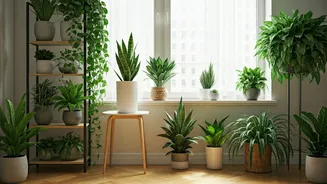
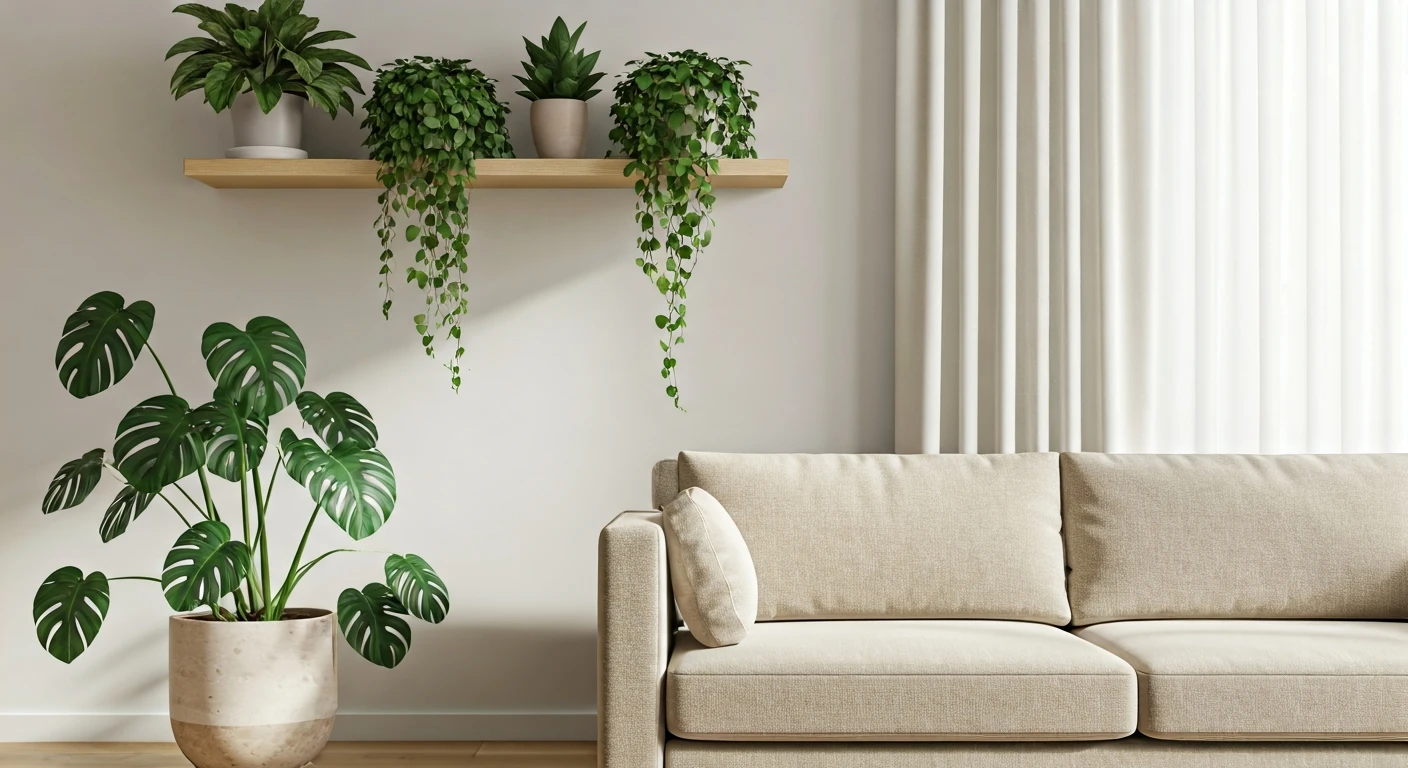
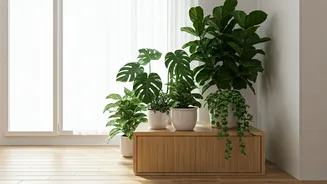
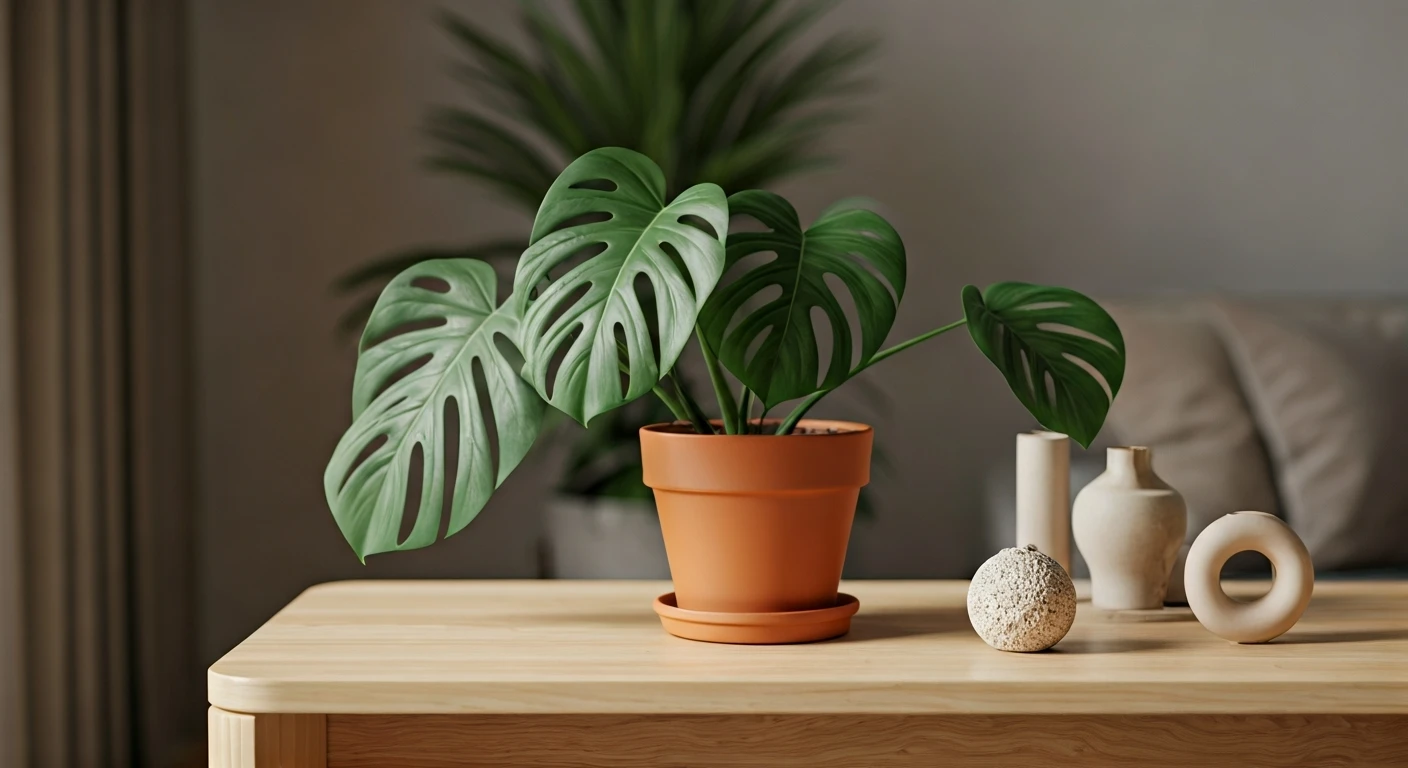
The plant is only half the battle; presentation is key. But “styling” doesn’t have to be complicated. The easiest upgrade is the pot itself. Ditch the plastic nursery pot and drop your new plant into a decorative ceramic, terracotta, or woven basket planter (just make sure it has drainage or you use a liner). This instantly makes it look more intentional. Grouping is another simple trick. Place plants of varying heights and textures together in a cluster of three on a side table or the floor. This creates a mini-vignette that has more impact than three separate plants scattered around. Finally, think vertically. A simple trailing pothos on a high shelf can transform the feel of a room by drawing the eye upward and making the space feel more alive and complete.