




The Discipline of Deep Watering
The drama: You run out with the hose every evening, giving everything a quick sprinkle. Your plants look fine for a few hours, but by the next hot afternoon, they’re wilting dramatically, begging for another drink. This is because shallow watering encourages
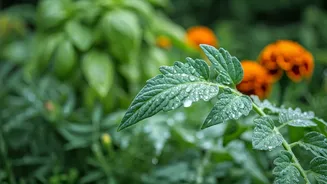
shallow roots that can’t handle the heat. The discipline: Water less frequently but more deeply. Instead of a daily spritz, give your garden beds a thorough soaking once or twice a week (depending on rainfall and soil type). Use a soaker hose or let a regular hose trickle at the base of plants. This encourages roots to grow downward in search of moisture, creating tougher, more resilient plants that won’t faint at the first sign of a heatwave.
The Discipline of Constant Weeding
The drama: You ignore a few small weeds in early June. By July, they’ve set seed, and your beautiful garden beds are choked with intruders that are stealing water, sunlight, and nutrients from your vegetables and flowers. These weed jungles also become perfect hiding spots for slugs and other pests. The discipline: Make weeding a small, daily ritual. Spend just 10-15 minutes each morning or evening pulling up any new sprouts. It’s far easier to pluck a tiny weedling than it is to excavate a deeply rooted thistle a month from now. A sharp hoe can make quick work of emerging weeds in open areas. Think of it not as a chore, but as defending your territory.
The Discipline of Pest Scouting
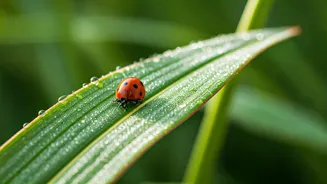
The drama: One day your squash plants are fine; the next they are covered in squash bugs and their leaves are yellowing and crisp. Or you notice your tomato leaves have vanished, revealing a giant, well-fed hornworm. A full-blown infestation is a chaotic, often losing battle. The discipline: Become a detective. At least every other day, take a walk and actively inspect your plants. Look under leaves for clusters of eggs, check new growth for aphids, and watch for the telltale holes of hungry caterpillars. Catching one or two pests early and removing them by hand is infinitely easier than dealing with a population explosion that requires chemical intervention.
The Discipline of Applying Mulch
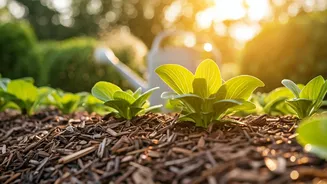
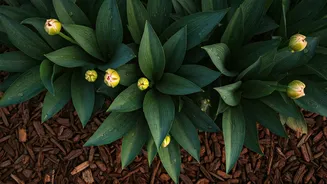
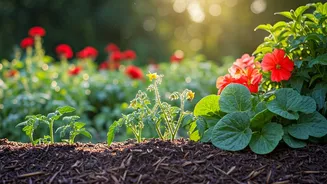
The drama: Your garden soil is bare. After a few hot, dry weeks, it’s cracked and hard. Weeds pop up everywhere, and you feel like you’re watering constantly just to keep things alive. The soil gets baked by the sun, stressing plant roots. The discipline: Cover that soil! Applying a two-to-three-inch layer of organic mulch (like shredded bark, straw, or compost) is one of the most effective things you can do. Mulch acts as a blanket, suppressing weeds, conserving precious moisture so you water less, and regulating soil temperature to keep roots cool and happy. As it breaks down, it also enriches the soil. It’s a simple action with a massive, season-long payoff.
The Discipline of Proactive Support
The drama: A summer thunderstorm rolls through, and the next morning you find your prize-winning tomato stems snapped, the heavy branches bent to the ground with green fruit destined to rot. Your beautiful, top-heavy peonies are flopped over, faces in the mud. The discipline: Stake, cage, or trellis your plants *before* they need it. It’s tempting to wait, but it’s nearly impossible to wrestle a sprawling, mature tomato plant into a cage without breaking branches. Install your supports when plants are still young and manageable. This ensures good air circulation (reducing disease risk) and keeps your precious flowers and vegetables off the ground and away from pests and rot.
The Discipline of the Clean Cut
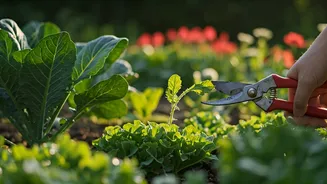
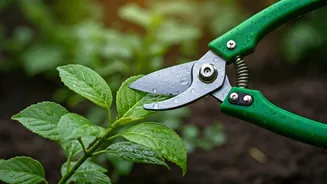
The drama: Your beautiful basil plant sends up flower stalks and the leaves lose their flavor. Your zinnias bloom once and then seem to fizzle out for the rest of the summer. Your tomato plants become a dense jungle of leafy “suckers” with very little fruit. The discipline: Deadhead and prune. Pinching off spent flowers (deadheading) on annuals and perennials tells the plant to stop trying to make seeds and instead produce more blooms. Pinching the flower buds off herbs like basil keeps them focused on leafy growth. And pruning the non-fruiting suckers from indeterminate tomato varieties directs the plant’s energy into producing and ripening tomatoes, not excess foliage.