



The Age of the Extreme Makeover
Remember the formula? A new year, a new diet. A beach vacation demanded a frantic, two-week cleanse. Wellness was presented as a mountain to be conquered, with a dramatic, Instagram-worthy summit. This was the gospel of 'transformation hype.' It thrived
on a cycle of guilt and redemption, fueled by punishing workout plans, restrictive food lists, and the promise that happiness was just one juice fast or 10 pounds away. This model wasn't just about health; it was about a complete identity overhaul. You weren't just eating differently; you were becoming a new, better, more disciplined person. The marketing was brilliant and relentless, creating a multi-billion-dollar industry built on the idea that our current selves were fundamentally not good enough. The problem, as millions of people discovered, is that a life of constant, high-intensity transformation is exhausting and, for most, utterly unsustainable.
Enter 'Good Enough' Eating
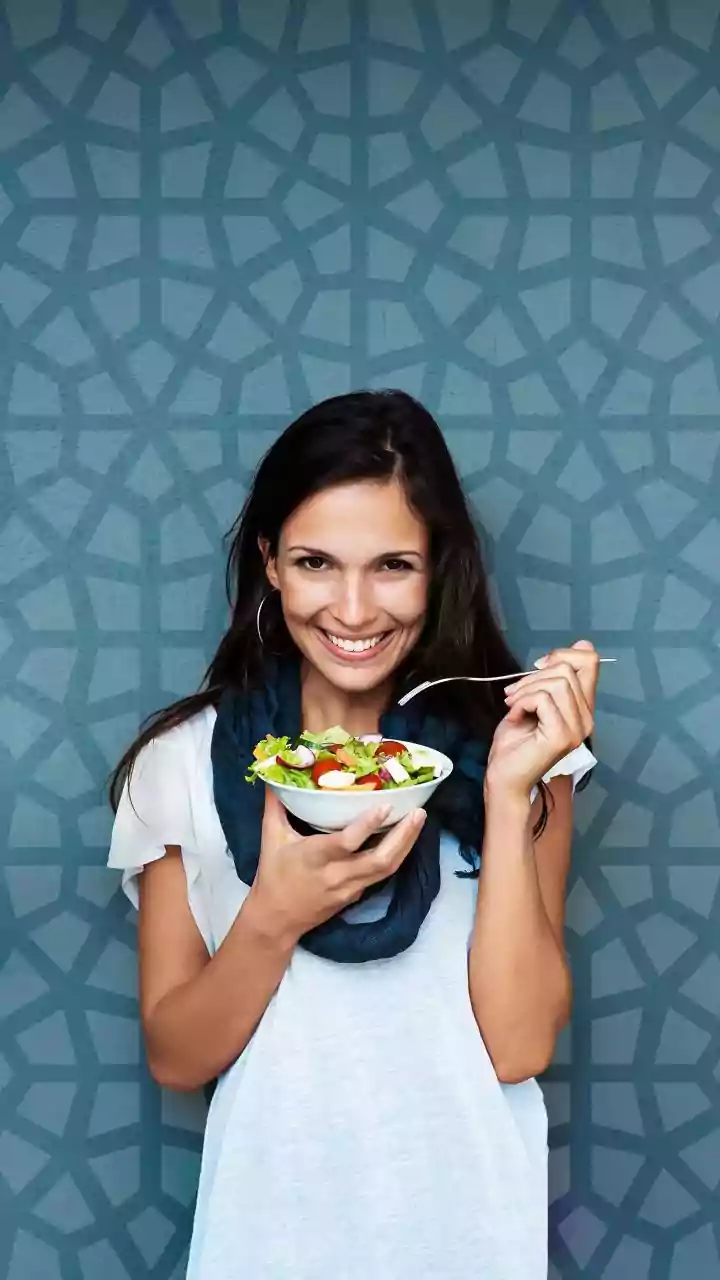
Realistic eating isn't a branded diet. It has no celebrity spokesperson or proprietary app. That’s its strength. It’s a philosophy centered on moderation, consistency, and grace. Instead of banning 'bad' foods, it focuses on adding nutritious ones. It’s the difference between forcing yourself to eat a sad desk salad and enjoying a vibrant one because you’ve also made room for a slice of pizza with friends later. It acknowledges that life is messy and unpredictable. Sometimes you’ll have time to meal-prep organic kale; other times, you’ll be grabbing takeout between work and a kid’s soccer game. Rather than framing the latter as a 'failure,' realistic eating sees it as life. This approach, championed by a growing number of dietitians and mental health experts, is closely related to concepts like intuitive eating and the anti-diet movement. Its core tenet is removing the moral judgment from food and trusting your body’s signals over a rigid set of external rules.
Why the Backlash to Perfection Is Happening Now
So, why is this shift gaining so much momentum? It's a perfect storm of cultural exhaustion. After years of 'hustle culture' and the curated perfection of early Instagram, we're burned out. The pandemic, in particular, forced a collective reevaluation of our priorities. The pressure to maintain a punishing wellness regimen felt absurd when confronted with global uncertainty. Social media, once the primary engine of transformation hype, has also become the home of its counter-movement. For every influencer selling a teatox, there are now dozens of 'de-influencers' and registered dietitians using platforms like TikTok and Instagram to debunk myths, expose the harms of restrictive dieting, and champion a more balanced approach. This digital rebellion has given a voice to the silent majority who were tired of feeling like they were failing at wellness, helping them realize the system was failing them.
The Wellness Industry Is Listening
When culture shifts, money follows. The wellness industry, long reliant on the transformation model, is taking notice. Legacy brands are scrambling to adapt. Weight Watchers rebranded to WW, shifting its focus from 'weight' to 'wellness.' Noom built its empire not on a diet, but on the psychology of habit formation. The language is changing across the board. Words like 'detox,' 'cleanse,' and 'shred' are being replaced with 'balance,' 'mindfulness,' and 'sustainable habits.' While some of this is purely a marketing pivot, it's a clear signal that the old way of selling wellness is losing its power. Consumers are becoming more discerning, armed with more information and a healthy dose of skepticism. They are voting with their wallets for approaches that promise not a radical, temporary transformation, but a realistic, lifelong relationship with food and health.