




The Nation That Hit Pause
To understand India's fitness boom, you have to remember the silence. When India initiated one of the world's strictest COVID-19 lockdowns in March 2020, a nation of 1.4 billion people was largely confined to their homes. The sudden halt to daily life—commutes,
errands, social visits—created an unprecedented wave of inactivity. For many, physical and mental health took a backseat to the immediate crisis. This period of forced stillness, however, planted the seeds for a massive societal shift. As the initial shock wore off, a collective craving for movement, control, and well-being began to surface, setting the stage for one of the most significant wellness trends the country has ever seen.
From Niche Pursuit to National Pastime
For decades, 'fitness' in urban India was a relatively niche concept, often associated with bodybuilding gyms frequented by men or exclusive yoga studios for the affluent. It wasn't an everyday activity for the masses. The pandemic shattered that stereotype. Stuck at home, armed with the world’s cheapest mobile data, millions of Indians turned to their screens for a solution. What they found was a new generation of fitness creators offering something radically different: workouts that required no equipment, no experience, and no gym membership. These weren't intimidating sessions for 'gym bros'; they were 20-minute routines for absolute beginners, chair workouts for the elderly, and dance fitness for the whole family. This democratization of fitness brought women, seniors, and residents of smaller Tier-2 and Tier-3 cities into the fold, transforming exercise from a luxury into an accessible daily ritual.
The Digital Gym Is Now Open
The engine of this movement is digital. While the U.S. had its Peloton moment, India’s revolution has been driven by YouTube, Instagram, and homegrown fitness apps like Cult.fit (formerly Cure.fit). Indian creators and influencers, speaking a mix of English and regional languages, built massive followings by offering free, high-quality content. They understood the cultural context, addressing concerns around privacy, joint family living situations, and body positivity in a way global brands couldn't. They created a digital ecosystem where a 45-year-old mother in Pune could join a live workout hosted by a creator in Mumbai, sharing her progress in the comments alongside thousands of others. This fusion of accessible technology and relatable instruction created a powerful, scalable model for a new kind of community-based fitness.
More Than Just Burning Calories
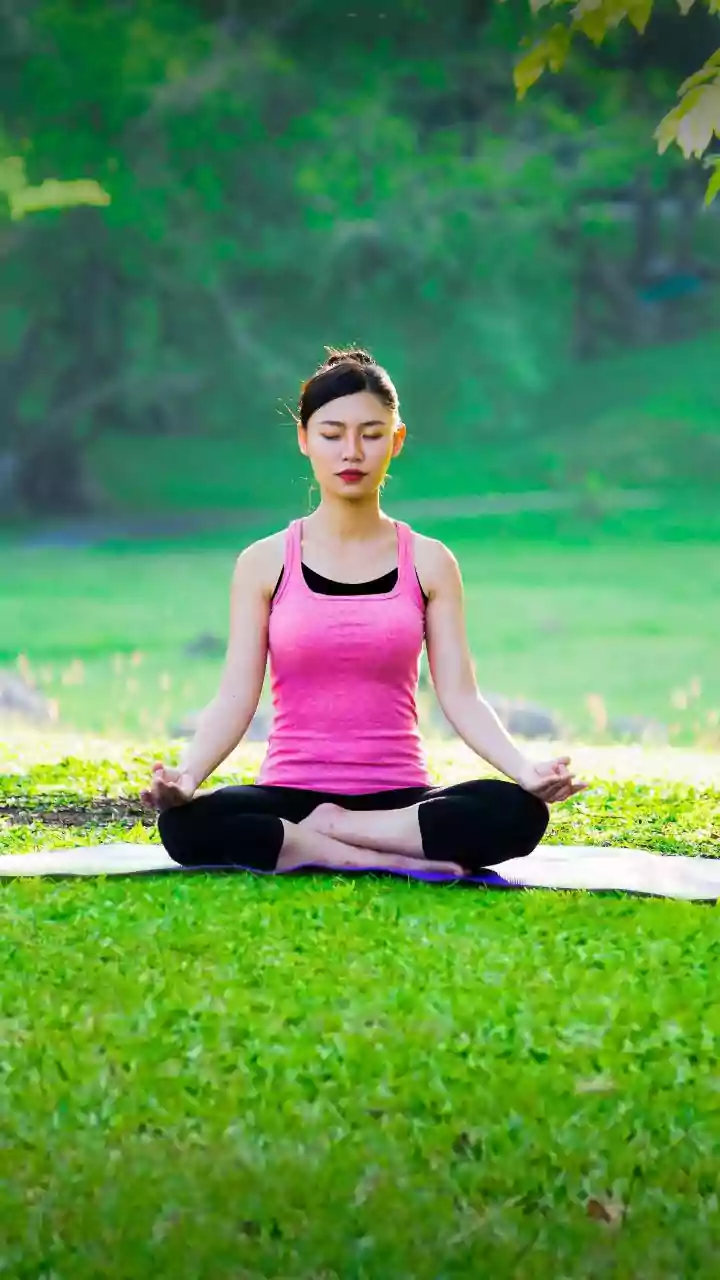
This trend is about much more than physical health. For many, starting a simple workout routine became a powerful tool for reclaiming a sense of agency during a period of profound uncertainty. It was a structured activity in a structureless day, a way to combat the anxiety and isolation of lockdown. The comment sections of these workout videos are filled with stories of people not just losing weight, but gaining confidence, managing stress, and finding a supportive community online. This connection is key. The shared struggle and mutual encouragement created a virtual support system that was just as important as the physical exercise. It represents a broader cultural awakening around mental health and self-care, reframing fitness as an essential act of well-being rather than a superficial pursuit of aesthetics.