





The Accountability Partner Who Never Cancels
One of the biggest hurdles in fitness is simply showing up. It’s easy to hit snooze, postpone a run for tomorrow, or decide the couch is more appealing after a long day. A dog, however, operates on a different schedule. They don’t care if you’re tired
or if it’s drizzling outside. Their biological needs and boundless energy create a non-negotiable demand for activity. That morning walk isn’t an optional workout; it’s a required part of their day, and by extension, yours. This removes the element of choice that so often leads to inertia. You’re not deciding whether to exercise for your own benefit, you’re fulfilling a duty to a creature you love. This simple shift in responsibility can be a powerful driver for creating a consistent routine that sticks.
Shifting Focus From 'Work' to 'Play'
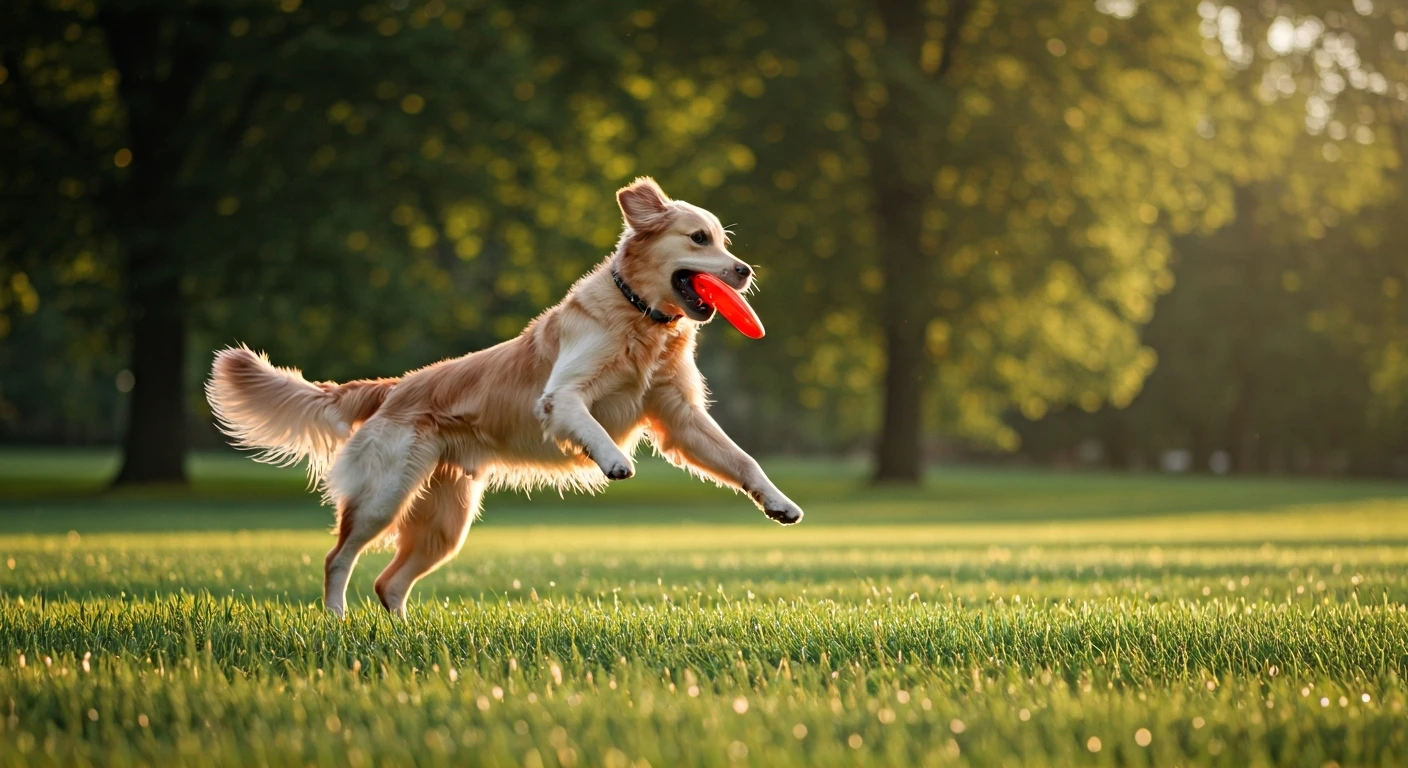
For many, exercise feels like a chore—a task to be completed and crossed off a list. The pressure to hit a certain heart rate, burn a specific number of calories, or run a target distance can suck the joy out of movement. A dog fundamentally changes this dynamic. Throwing a frisbee at the park, jogging along a trail, or even just a brisk walk around the block becomes an act of shared play. Your focus shifts from the tediousness of the workout to the joy on your dog's face as they chase a ball or explore a new scent. This reframing is psychologically powerful. Research from institutions like the Centers for Disease Control and Prevention (CDC) consistently highlights that dog owners are more likely to meet physical activity guidelines. It’s not because they have more willpower, but because their 'exercise' is disguised as quality time with their best friend.
A Built-In Source of Positive Reinforcement
Human motivation is complex, but a dog’s is beautifully simple. The sight of you picking up a leash can trigger an explosion of ecstatic tail wags, happy yips, and frantic circling. This enthusiastic feedback is a potent form of positive reinforcement. While a fitness app might give you a digital badge, a dog provides an immediate, tangible, and emotional reward for your effort. Their excitement makes you feel good about what you’re about to do, creating a positive feedback loop. Instead of dreading the exertion, you start to look forward to the happy dance that precedes it. This emotional boost can be the critical factor that gets you out the door on days when your internal motivation is running on empty.
Expanding Your Definition of Exercise
A fitness routine with a dog is rarely monotonous. It naturally pushes you to diversify your activities and explore new environments. A 'workout' can mean a gentle walk one day, a vigorous game of fetch the next, and a long hike on a wooded trail over the weekend. Many dogs make excellent running partners, providing steady pacing and unwavering companionship on the road. Some breeds even enjoy activities like swimming or skijoring. This variety not only prevents boredom but also works different muscle groups and keeps your body guessing. You stop thinking in terms of 'leg day' or 'cardio day' and start thinking in terms of adventure. You’ll find yourself seeking out new parks, beaches, and trails, turning your fitness journey into an exploration of the world around you, all with your dog by your side.
The Unseen Social and Mental Boost
The benefits aren't just physical. Walking a dog is an inherently social activity. It gets you out into your neighborhood, where you’re more likely to interact with neighbors. Dog parks are hubs of community, fostering conversations with fellow owners. This light social interaction can combat feelings of isolation and improve your mood. Furthermore, studies on the human-animal bond show that interacting with a dog can lower cortisol (a stress hormone) and increase oxytocin (the 'love hormone'). Combining this stress-reducing effect with the mood-boosting benefits of physical activity and fresh air creates a powerful combination for mental well-being. The exercise stops being a forced march toward a fitness goal and becomes a holistic practice that nurtures both body and mind.