




Mistake 1: Driving Through Standing Water
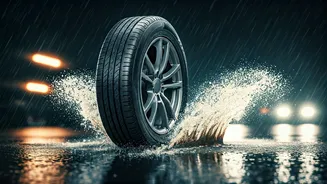
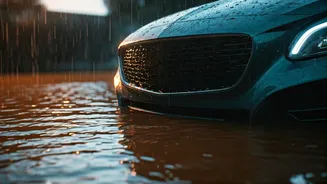
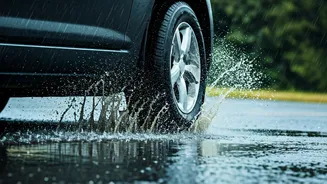
It’s the single most tempting and dangerous monsoon mistake. That puddle looks manageable, but you can't see its true depth or what lies beneath. Hitting a hidden pothole or curb can destroy your suspension or alignment. Worse, if water is ingested into
your engine's air intake—a process called hydrolocking—it can cause catastrophic failure. Water doesn't compress like air, so forcing it into the cylinders can bend piston rods and crack the engine block. This is often a fatal, non-repairable injury for an engine. Furthermore, modern cars are packed with low-lying electronics controlling everything from the transmission to safety sensors. Submerging them, even for a moment, can lead to widespread, corrosion-related electrical gremlins that are notoriously difficult and expensive to diagnose and fix. The rule is simple: if you can't see the road surface, turn around.
Mistake 2: Ignoring Your Tires and Wipers
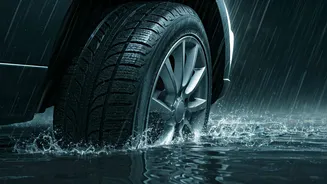
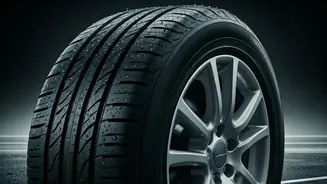
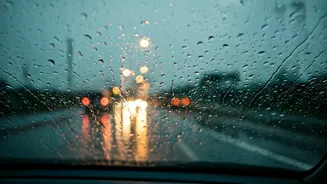
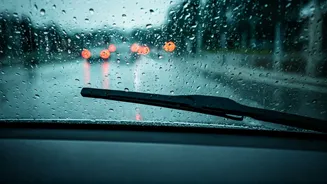
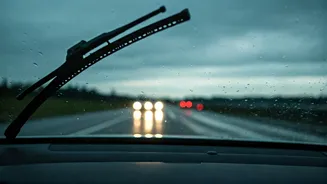
Your car’s only connection to the road is a patch of rubber on each tire about the size of your hand. In a downpour, this connection is everything. Worn tires with shallow tread can't effectively channel water away, leading to hydroplaning—where a layer of water builds up between the tire and the road, causing a total loss of steering and braking control. Before the season starts, check your tire tread depth (use the penny test: if you can see all of Lincoln's head, your tires are too worn) and ensure they are properly inflated. Equally important are your windshield wipers. Old, cracked, or hardened wiper blades won't clear water effectively, they'll just smear it, obliterating your visibility in the critical moments you need it most. Replacing wiper blades is an inexpensive, five-minute job that can prevent a major accident.
Mistake 3: Underestimating Hydroplaning
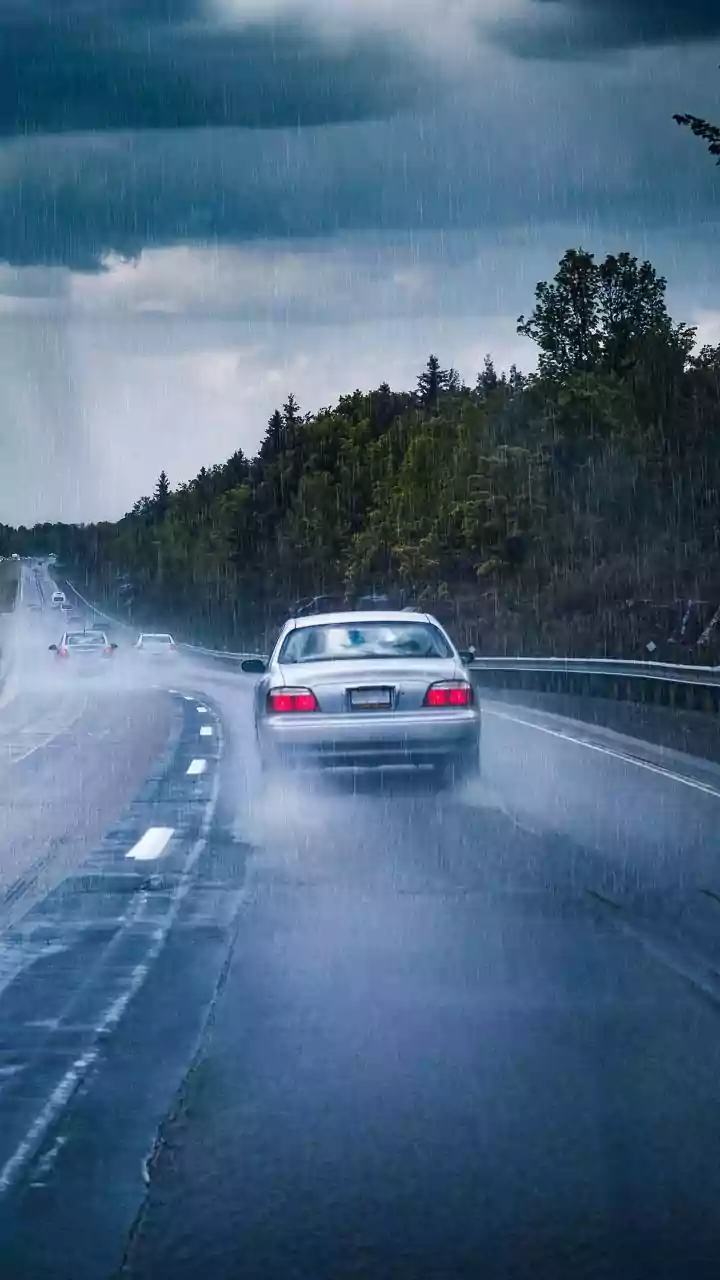
Hydroplaning doesn't just happen in deep floodwaters. It can occur on any wet surface at speeds as low as 35 mph, especially if your tires are worn. It feels like the car is suddenly floating or gliding, and your instinct might be to slam on the brakes or jerk the steering wheel. Both are wrong. The correct response is to ease your foot off the accelerator and steer gently in the direction you want the car to go. Do not brake hard or make sudden turns, as this can send the car into a spin once the tires regain traction. The best defense is prevention: slow down significantly as soon as the rain starts falling, and leave extra space between you and the car ahead.
Mistake 4: Parking in Low-Lying Areas
The storm may be over, but the danger isn't. Flash floods are common during monsoon season, and washes, underpasses, and low-lying streets that were dry moments ago can fill with water rapidly. Parking your car in one of these areas, even for a short time, is a gamble. Water doesn’t have to reach the windows to cause serious damage. Just a few inches can be enough to flood the exhaust system, saturate brake components, and ruin electronics located under the car seats. If you live in an apartment complex or area with varied elevation, make a conscious effort to park on higher ground during monsoon season. It’s a simple habit that can save you from waking up to find your car submerged.
Mistake 5: Neglecting Post-Storm Humidity
Water damage isn't just about floods. The intense humidity that follows a monsoon storm can quietly wreak havoc on your car's interior. If you got in the car with wet clothes or left a window cracked, moisture can seep into the carpets and upholstery. This creates a perfect breeding ground for mold and mildew, resulting in a musty, unhealthy smell that is extremely difficult to remove. It can also cause foggy windows and potentially affect interior electronics. After a storm, use your car’s air conditioning (even on a cool day) as it acts as a dehumidifier, pulling moisture from the cabin air. If your floor mats are soaked, take them out to dry completely before putting them back. Using a tub-style floor liner during the rainy season can also contain water and make cleanup much easier.