



They Are a Living Link to Heritage
In the hustle of American life, maintaining a connection to cultural traditions can be a conscious effort. The garden offers a powerful, tactile way to do just that. Planting marigolds is more than just horticulture; it's an act of cultural preservation.
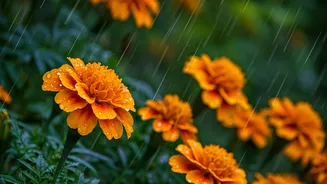
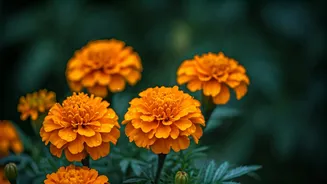
Every time you see their cheerful, sun-like blossoms, you’re reminded of Diwali, weddings, and temple visits. It’s a simple way to bring the warmth and color of Indian festivals to your own backyard, creating a space that feels both new and deeply familiar. For second- or third-generation Indian Americans, growing marigolds can be a beautiful way to connect with the traditions their parents and grandparents hold dear, starting conversations and building new memories around a plant steeped in history.
They Are the Garden's Bodyguard
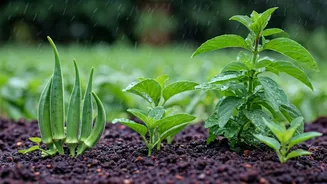
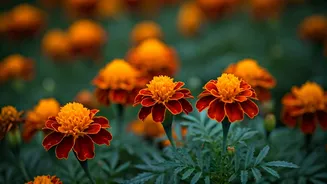
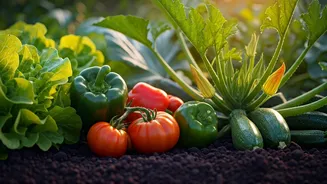
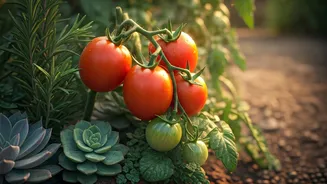
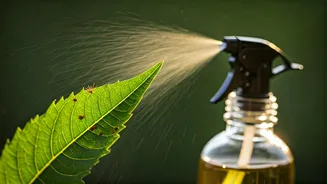
Here's the practical magic everyone forgets: marigolds are one of nature's best pest deterrents. You are not just planting a flower; you are hiring unpaid security for your precious vegetables. The strong scent produced by many varieties, particularly French marigolds (Tagetes patula), is known to repel a host of unwanted visitors, including whiteflies and hornworms that can decimate tomato plants. But their real superpower lies beneath the soil. The roots of certain marigold varieties release a chemical that is toxic to root-knot nematodes, microscopic worms that can stunt and destroy the root systems of tomatoes, peppers, and squash. Planting a border of marigolds around your vegetable patch isn't just an old wives' tale—it's a scientifically supported strategy for a healthier, more productive garden without reaching for chemical pesticides.
They Offer Surprising Variety and Ease
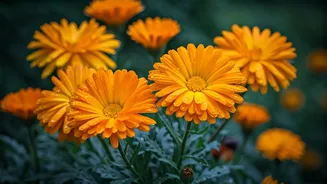
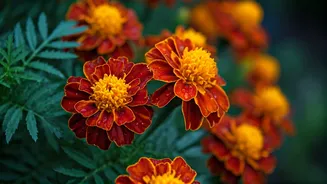
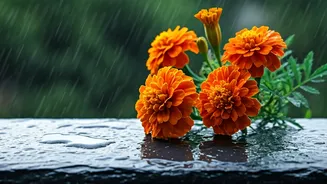
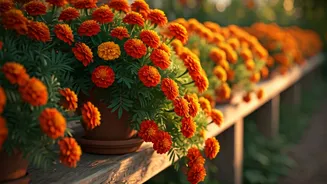
If your mental image of a marigold is limited to the standard bright orange pom-pom, it's time for an update. The world of marigolds is vast and varied. You can find them in shades of creamy white, deep mahogany, and sunny lemon yellow. There are giant 'Crackerjack' varieties that grow several feet tall and petite 'Gem' marigolds that are perfect for containers and borders. Some have simple, daisy-like petals while others are densely ruffled. This diversity allows them to fit into almost any garden design, from formal beds to rustic cottage styles. Best of all, they are famously easy to grow. Marigolds thrive on sunshine and benign neglect. They tolerate a wide range of soil types, are drought-resistant once established, and bloom profusely from early summer until the first frost with minimal fuss, providing a constant wave of color when other plants have faded.
They Have a Place in the Kitchen
While you might not want to munch on the pungent French or African marigolds lining your vegetable garden, some varieties are culinary stars. Specifically, Signet marigolds (Tagetes tenuifolia), also known as 'Gem' marigolds, have a pleasant, citrusy-tarragon flavor. Their delicate, edible petals can be sprinkled over salads to add a pop of color and a zesty note. They can be infused into oils or vinegars, or used to garnish desserts and cocktails. They are a simple, elegant way to elevate a dish using something grown right outside your door. Beyond the kitchen, marigold petals have been used for centuries to create a brilliant natural yellow dye for fabrics, another nod to their deep history of utility. This versatility transforms them from a purely ornamental plant into a multi-purpose garden asset.