




The Five Treasures of the Great Snow
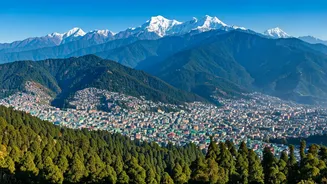
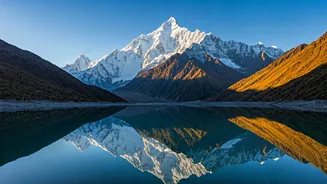
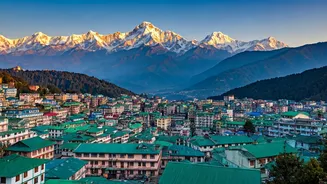
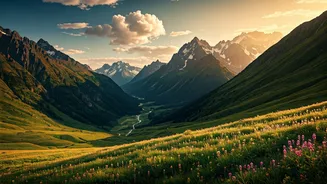
Before you can understand Gangtok, you have to look up. The city is built on a steep, tiered hillside, and from nearly every balcony, rooftop, and monastery window, the horizon is dominated by the colossal presence of Kanchenjunga. Known locally as the “Five
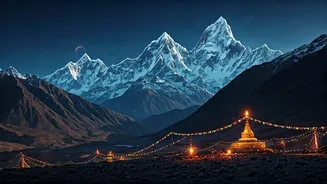
Treasures of the Great Snow,” this massif isn't just a postcard view; it's the city’s spiritual guardian and its ultimate stage director. The first rays of sunrise hitting the peaks paint them in hues of gold and rose, a daily spectacle that hushes the morning bustle. Locals pause, tourists gasp, and for a moment, the entire city seems to be in a state of collective worship. This constant, humbling presence of the Himalayas is the foundation of Gangtok’s character. It instills a sense of grandeur and perspective that elevates everyday moments into something more profound.
A Backdrop for Vibrant Festivals
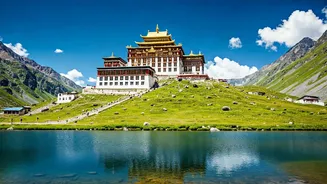
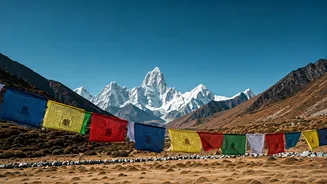
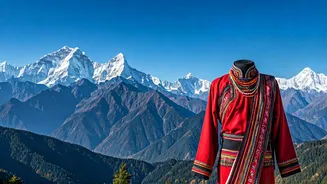
This majestic natural theater finds its perfect performers in the region’s rich cultural calendar. The headline's promise of a “festival dream” comes alive when traditional ceremonies unfold against this epic backdrop. During Losar, the Tibetan New Year, the air fills with the sound of chanting and the scent of incense, as vibrantly dressed locals perform masked dances at monasteries like Rumtek and Enchey. The sight of crimson-robed monks against the stark white of distant snowfields is an unforgettable fusion of culture and nature. Similarly, the Saga Dawa festival, celebrating Buddha’s birth, enlightenment, and nirvana, sees processions move through the city streets. Here, the fluttering prayer flags, strung across valleys and buildings, seem to carry their blessings directly to the sacred peaks. The mountains don't just host these events; they participate, their imposing silence amplifying the sacred sounds and their scale magnifying the human celebration.
The Everyday Celebration on MG Marg
But the festive spirit isn't confined to specific dates on the calendar. Gangtok’s main artery, MG Marg, embodies this idea of a perpetual, low-key celebration. A rare thing in India, it's a sprawling, pedestrian-only boulevard lined with benches, flower pots, and Victorian-style lampposts. There are no honking horns or chaotic traffic, just the gentle hum of people strolling, chatting, and sipping coffee at chic cafes. Families gather, friends meet, and tourists and locals mingle in a clean, relaxed environment. In the evenings, the street glows under soft lighting, with Kanchenjunga’s silhouette often visible in the fading light. This civic space feels less like a commercial street and more like a permanent community fair, a testament to a city that values public life and shared experience, all under the watchful gaze of the Himalayas.
Finding the Perfect Vantage Point
Experiencing this dream is a matter of positioning. While the mountains are a constant presence, certain spots offer transcendent views. A ride on the Damodar Ropeway, a cable car that glides over the city, provides a sweeping panorama of the valley and the peaks beyond. For the classic sunrise shot, travelers head to Tashi View Point, a few miles outside the city, where the first light performs its daily magic on Kanchenjunga. But perhaps the most authentic views are found by accident: from the window of a local cafe, the terrace of a small hotel, or during a quiet walk to a nearby monastery. It’s in these moments that you realize the mountain isn't an attraction to be sought out, but a companion that is always with you, framing your experience of the city and turning even a simple cup of tea into a moment of quiet awe.