



More Than Just a Power Nap
Let’s be clear: this isn’t about sneaking a siesta on a beach chair. Sleep tourism is a deliberate, and often luxurious, travel segment dedicated entirely to rest and rejuvenation. Think of it as the antithesis of the jam-packed, Instagram-fueled vacation
that leaves you needing a vacation from your vacation. Instead of a checklist of sights, the itinerary is built around optimizing your sleep. This burgeoning industry emerged from a perfect storm of cultural factors. The pandemic heightened our collective anxiety and disrupted sleep patterns, while years of “hustle culture” left professionals and parents alike completely drained. The result is a population starved for true rest, and the travel industry has taken notice. Hotels and resorts are now marketing sleep not as a passive part of a stay, but as the main event—a premium, curated experience you can’t get at home.
The Anatomy of a Sleep Vacation
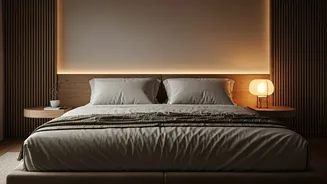
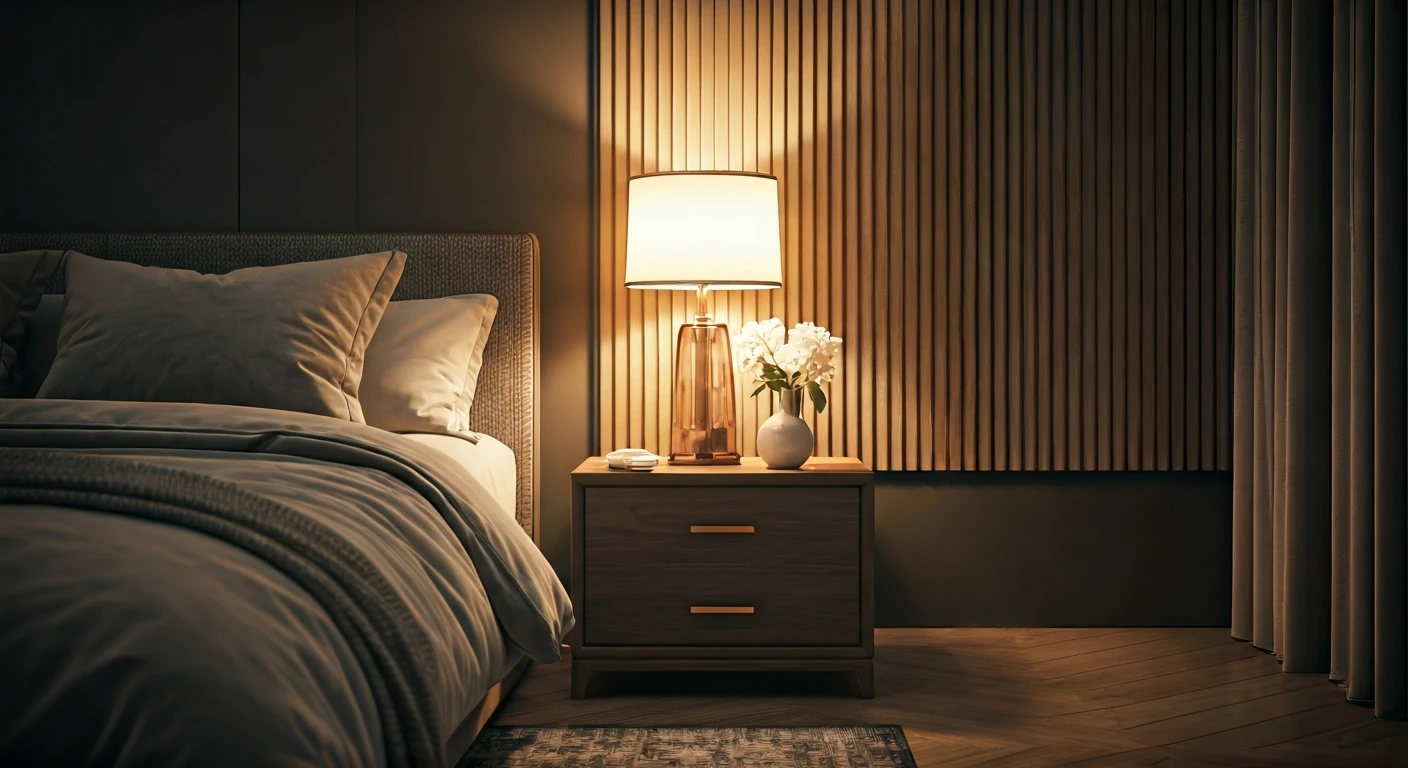
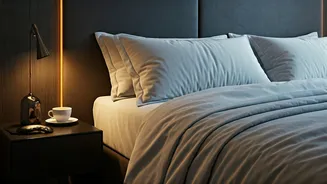
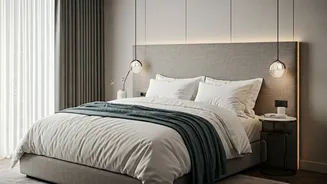
So what does a five-star nap actually look like? It’s a scientifically-backed, tech-infused, and deeply comfortable affair. Forget lumpy hotel mattresses; we’re talking about AI-powered beds that adjust to your movements, entire “pillow menus” offering options from buckwheat to memory foam, and rooms with complete acoustic and light control, featuring blackout curtains and advanced soundproofing. Beyond the hardware, these sleep retreats offer a suite of services. You might find a consultation with a resident “sleep doctor” or “sleep concierge” who analyzes your habits and provides personalized coaching. Menus are often designed by nutritionists to promote rest, featuring foods rich in magnesium and melatonin while avoiding caffeine and sugar. Some resorts offer guided meditation, non-strenuous yoga, sound baths, and even technologically advanced pajamas that monitor your vitals while you slumber. The goal is total sensory deprivation from the stresses of daily life, creating a perfect cocoon for deep, restorative sleep.
An Antidote to the Burnout Economy
The rise of sleep tourism is more than just a clever marketing gimmick; it’s a direct cultural response to the burnout economy. For decades, ambition was measured in sleepless nights and 80-hour workweeks. The “rise and grind” mantra glorified exhaustion as a badge of honor. But the pendulum is swinging back. There is a growing recognition that this lifestyle is unsustainable and, frankly, unhealthy. Sleep is no longer seen as a luxury but as a fundamental pillar of wellness, on par with diet and exercise. We’ve collectively woken up to the fact that chronic sleep deprivation impacts everything from our cognitive function and immune system to our emotional stability. In this context, spending money on a trip dedicated to sleep isn’t frivolous. It’s a strategic investment in one’s own health and productivity—a way to reset a system that has been running on fumes for far too long.
Is Rest the New Ultimate Luxury?
Perhaps the most interesting aspect of this trend is how it redefines modern luxury. Historically, luxury travel was about opulence, exclusivity, and accumulating experiences—think Michelin-starred dinners, private yacht tours, and front-row seats. While those things still exist, a new definition is emerging. In a world of constant connectivity, notifications, and demands on our time, the scarcest resource is no longer a physical object or an exotic location. It’s silence. It’s stillness. It’s uninterrupted time to simply be. This new luxury is subtractive, not additive. It’s about removing stimuli rather than adding more. A vacation where the primary goal is to do nothing, and to do it exceptionally well, is a radical concept that speaks volumes about our current state. It suggests that the ultimate status symbol is no longer being busy, but being well-rested.