


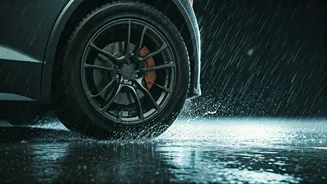


1. Tires: Your First Line of Defense
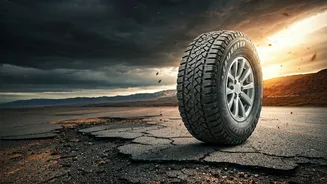
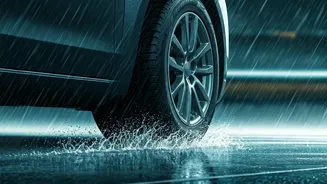
Your tires are the only part of your car that touches the road, and their role becomes critical on slick surfaces. When roads are wet, the grooves in your tires—the tread—are responsible for channeling water away to maintain grip. If they’re worn down,
your car can hydroplane, essentially waterskiing on a thin layer of water with a complete loss of steering and braking control. Before the rainy season kicks into high gear, perform the classic “penny test.” Insert a penny into your tire’s tread with Lincoln’s head upside down. If you can see all of Abe’s head, your tread is dangerously worn and it’s time for new tires. Also, check your tire pressure. Both under- and over-inflated tires can reduce grip. The correct pressure is listed on a sticker inside your driver’s side door jamb, not on the tire itself.
2. Wipers and Fluid: See and Be Seen
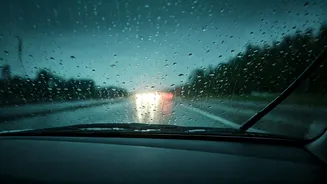
Visibility is the first thing to go in a torrential downpour. Worn-out wiper blades don’t clear water effectively; they smear it, creating a blurry, distorted view that can be incredibly dangerous. Wiper blades are made of soft rubber that degrades over time from sun exposure and use. If your wipers are chattering, squeaking, or leaving streaks, replace them. It’s an inexpensive and easy fix you can often do yourself in a few minutes. While you’re at it, top off your windshield washer fluid. A good-quality fluid can help clear away the oily residue and road grime that rain often kicks up onto your windshield.
3. Brakes: Your Most Critical Safety System
Wet conditions can significantly increase your car’s stopping distance. Your brakes need to be in top condition to handle the extra demand. If you’ve been hearing any squealing, grinding, or feeling a pulsation in the brake pedal, get your brakes inspected immediately. A mechanic can check the thickness of your brake pads and rotors and ensure the brake fluid is clean and at the proper level. Remember to be gentler on your brakes in the rain. Slamming them can cause a skid. Instead, anticipate stops, increase your following distance, and apply slow, steady pressure.
4. Lights: Cut Through the Gloom
When the sky turns dark grey and rain is coming down in sheets, your lights aren’t just for helping you see—they’re for helping others see you. Do a quick walk-around of your car. Check your headlights (both low and high beams), taillights, brake lights, and turn signals. Have a friend or family member help you confirm the brake lights are working. Over time, the plastic lenses covering your lights can become yellowed and hazy, dramatically reducing their brightness. You can restore them with a simple, inexpensive cleaning kit from any auto parts store. In many states, it’s the law to have your headlights on whenever your wipers are in use.
5. Engine and Battery: Don't Get Stranded
A heavy rainstorm is the worst time for a breakdown. The combination of high humidity and heavy accessory use (wipers, headlights, defroster, A/C) puts a major strain on your car’s electrical system. Check your battery terminals for any fuzzy, white, or blueish corrosion. This buildup can interfere with the electrical connection and prevent your car from starting. You can clean it off with a wire brush and a baking soda/water solution. If your battery is more than three or four years old, it’s a good idea to have it tested at an auto parts store—a service they often provide for free. Also, ensure all plastic shields and covers in your engine bay are secure to prevent water from splashing onto sensitive electronic components.
6. The Emergency Kit: Your Rainy Day Lifeline
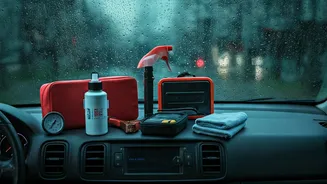
Even with perfect preparation, things can go wrong. A proper emergency kit can be the difference between a minor inconvenience and a major crisis. For wet weather, your kit should go beyond the basics. In addition to jumper cables and a first-aid kit, consider adding a powerful flashlight with extra batteries, a rain poncho, a towel, and a waterproof bag to keep your phone and wallet dry. A reflective warning triangle is essential for making your vehicle visible to other drivers if you’re stuck on the shoulder in low-visibility conditions. Having these items on hand provides peace of mind and ensures you’re ready for the unexpected.