





An Oasis in the Himalayas
For many Americans, the Himalayas conjure images of Everest's formidable peaks or the spiritual bustle of Tibetan monasteries. But tucked away in the state of Himachal Pradesh is the Tirthan Valley, a quieter corner of this legendary mountain range. Designated
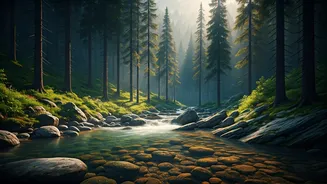
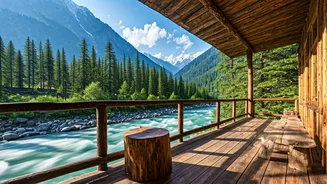
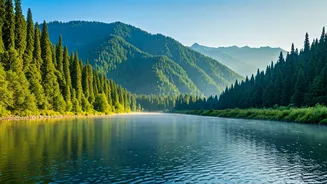
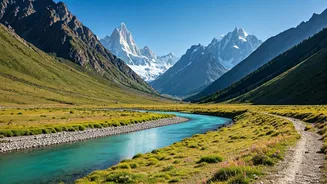
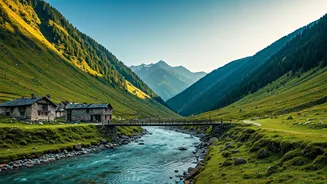
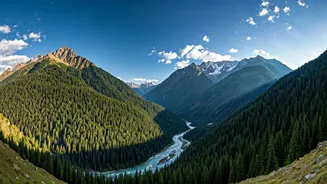
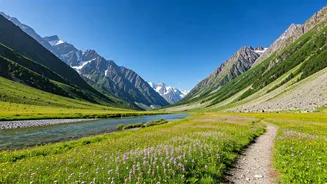
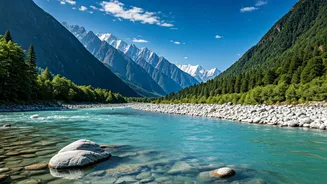
as part of the Great Himalayan National Park's ecozone—a UNESCO World Heritage Site—the valley feels a world away from India’s crowded cities and well-trodden tourist trails. There are no grand resorts or sprawling commercial centers here. Instead, you find small, slate-roofed villages, terraced fields carved into hillsides, and the pristine, turquoise waters of the Tirthan River rushing through a landscape of pine and deodar forests. It’s a place that doesn’t shout for your attention; it patiently waits for you to tune into its frequency.
The Angler's Unexpected Paradise
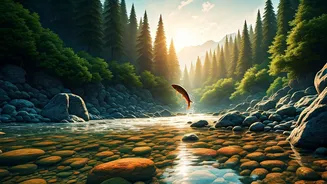
The valley’s biggest surprise, and its central draw for a certain kind of traveler, is its trout. The fish are not native to these waters. In the early 20th century, British officials introduced brown and rainbow trout to the region's cold, fast-flowing rivers. The experiment was a stunning success. The Tirthan River, fed by glacial melt, proved to be a perfect habitat. Today, its crystalline waters hold a healthy, wild population of brown trout, with rainbows stocked in certain stretches. For anglers, this transforms the valley from a beautiful landscape into an active pursuit. Obtaining a daily permit from the state’s fisheries department is a simple affair, turning a Himalayan trek into a world-class fly-fishing expedition.
More Than Just the Catch
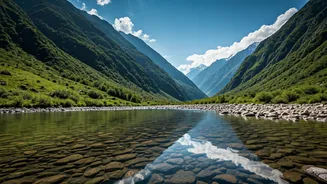
But to say Tirthan is just about “catching fish” is to miss the point entirely. Fishing here is a meditative act. It forces a slowdown. You stand thigh-deep in the refreshingly cold river, the sound of water rushing over smooth stones filling the silence. You learn to read the currents, to spot the subtle ripples that betray a hiding fish. Your focus narrows to the delicate task of placing a fly in just the right spot. In these moments, the valley’s true character reveals itself. A Himalayan bulbul might sing from a nearby branch, or a local villager might wave from a path across the river. It’s the antithesis of competitive sport fishing. Here, the process is the prize. The connection to the environment—the water, the air, the mountains standing guard—is the real trophy, whether you land a magnificent 20-inch brown trout or go home empty-handed.
The Rhythm of the River
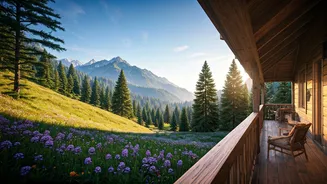
The pursuit of trout becomes a key that unlocks the rest of the valley’s culture. It’s what gets you up at dawn and keeps you out until dusk, mirroring the rhythms of local life. The guides are often men from the surrounding villages, their knowledge of the river intertwined with generations of local lore. After a day on the water, you don’t retire to an anonymous hotel. You return to a family-run guesthouse or a homestay, where you share stories over a simple, delicious meal of dal, rice, and fresh vegetables grown in the garden. The fishing trip becomes a gateway experience. It encourages walks through cedar forests, conversations with orchard keepers, and an appreciation for a community that has maintained a delicate balance with its powerful natural surroundings. You arrive seeking fish but find a way of life.