



The End of the Monotony Meal
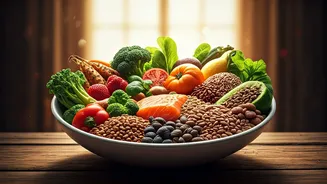
Anyone who has ever seriously pursued a fitness goal knows the dietary grind. To build muscle or shed fat, you need a disciplined intake of protein, carbohydrates, and fats—the holy trinity of 'macros.' For decades, American fitness culture interpreted
this as a sentence to culinary boredom. The path to a six-pack was paved with boiled chicken breasts and steamed vegetables, a diet so monotonous it became a meme. The goal was fuel, not food. Flavor was a luxury, and often, a suspect one, associated with high-calorie sauces, excess oils, and diet-derailing sugars. But fatigue has set in. A new generation of fitness enthusiasts is asking a simple question: Does getting fit have to taste this bland? For a growing number, the answer is a resounding 'no,' and they're finding the solution in spice-rich, nutrient-dense Indian cooking.
The Unbeatable Macro Math
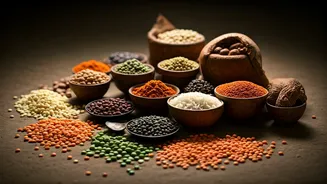
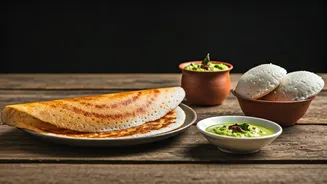
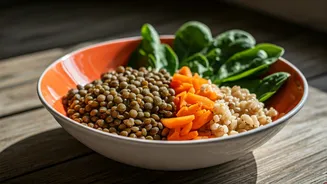
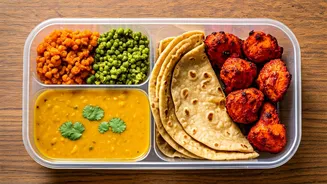
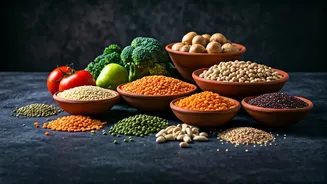
At first glance, Indian food might seem like a cheat meal, with its reputation for rich, creamy restaurant curries. But that’s a fundamental misunderstanding. The comeback isn’t happening at your local takeout spot; it's happening in home kitchens, where the authentic, everyday meals of the Indian subcontinent are a bodybuilder's secret weapon. Take dal, the ubiquitous lentil stew. It’s a plant-based protein powerhouse, loaded with fiber that aids digestion and promotes satiety. A simple bowl of masoor or toor dal can pack 15-20 grams of protein. Pair it with whole-wheat roti instead of processed white bread for a source of complex, slow-release carbohydrates. Need more protein? Tandoori-style chicken, marinated in yogurt and spices and cooked with minimal oil in an oven or air fryer, is as lean and effective as any grilled chicken breast, but infinitely more delicious. The macros have been there all along; it just took a cultural shift to see them.
Flavor Hacking with Spices, Not Sauces
The true magic lies in the spice box, or masala dabba. This is where Indian home cooking completely outclasses the old-school fitness diet. While the 'chicken and broccoli' meal often relies on sugary BBQ sauce or high-sodium seasonings for a hint of flavor, Indian cooking builds a complex taste profile from the ground up with virtually zero calories. Turmeric, a powerful anti-inflammatory, provides earthy depth and a golden hue. Cumin and coriander add warm, citrusy notes. Ginger and garlic create a pungent, aromatic base. A pinch of garam masala at the end can elevate a simple vegetable stir-fry (sabzi) into something extraordinary. This allows home cooks to control the two biggest enemies of a clean diet: oil and salt. When your food is already bursting with flavor from spices, you don't need to compensate with a ladleful of ghee or a heavy hand with the salt shaker.
A Cultural Homecoming on Social Media
This trend is being driven largely by second-generation Indian Americans. For years, many felt a need to downplay their 'lunchbox moments,' fearing the pungent aromas of their homemade food would seem foreign in American cafeterias and offices. Now, they are reclaiming their culinary heritage with pride. Fitness influencers on TikTok and Instagram are posting 'What I Eat in a Day' videos that swap protein shakes for mango lassis (made with Greek yogurt for extra protein) and meal-prepped dal and rice instead of turkey cutlets. They’re not just sharing recipes; they're reframing an entire cuisine, pushing back against the stereotype of Indian food as uniformly heavy and unhealthy. They’re showing their followers that the food their parents and grandparents have been making for generations is not only delicious but is also perfectly engineered for a high-performance lifestyle.