

Beyond the Polished Facade
The modern vacation has often been a transaction. You book a room, you get a keycard, and you experience a destination from a comfortable, predictable distance. But a growing number of travelers are rejecting this polished remove, seeking instead a genuine
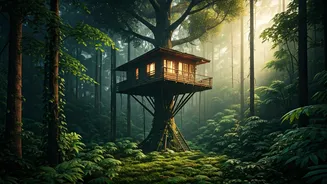
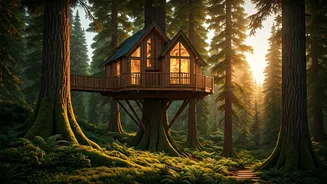
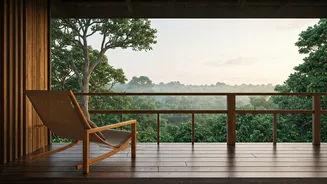
connection to the places they visit. This is the heart of the homestay’s appeal. Unlike a hotel, a homestay isn't just a place to sleep; it’s an invitation into someone’s world. It’s the difference between looking at a postcard and stepping into the scene itself. Staying in a family's spare room, a garden cottage, or a converted barn offers an immediate, unfiltered glimpse into local life. The recommendations you get aren’t from a concierge reading a script, but from someone who knows the shortcut to the best view, the quietest hiking trail, or the market with the freshest produce. This shift from tourist to guest redefines the entire travel experience, transforming it from a passive tour into an active, immersive adventure.
The Irresistible Pull of Water
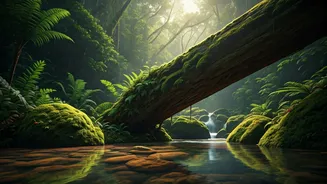
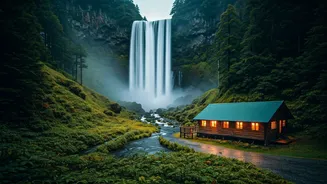
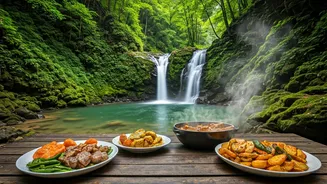
There's a reason 'waterfall' carries such weight in our travel vocabulary. It promises more than just a pretty picture for social media; it promises a sensory reset. The constant, powerful rush of water over rock is a sound that can drown out the digital noise of our daily lives. The cool mist on your skin on a hot day is a simple, profound pleasure. In a world of curated digital experiences, the raw, untamable power of a waterfall feels primal and deeply necessary. When a homestay is located near one of these natural wonders, the experience is amplified. Your host might tell you about a hidden cascade that isn't in any guidebook. The hike to get there becomes part of the day's fabric, not a separate, ticketed event. This proximity to nature isn’t just an amenity; it's a form of therapy. It’s the chance to reconnect with the physical world and feel small in the face of something immense and beautiful, a perspective that’s hard to find in a city-center high-rise.
A Seat at the Local Table
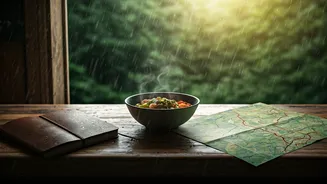
If waterfalls nourish the soul, then local meals nourish the body and build the most lasting connections. A meal cooked by your host is the ultimate act of hospitality and cultural exchange. It’s where the abstract idea of 'local cuisine' becomes a tangible, delicious reality. You're not just eating food; you're tasting a family recipe passed down through generations, made with ingredients that might have been picked from the garden that morning. This experience transcends the menu. The conversation over dinner provides context, history, and personality. You learn about the spices, the cooking techniques, and the stories behind the dishes. A simple soup can become a lesson in local agriculture; a shared dessert can become an entry point into a family’s history. This is something no five-star restaurant, no matter how acclaimed, can replicate. It’s the taste of authenticity, served with a side of genuine human connection.
The Magic Is the Combination
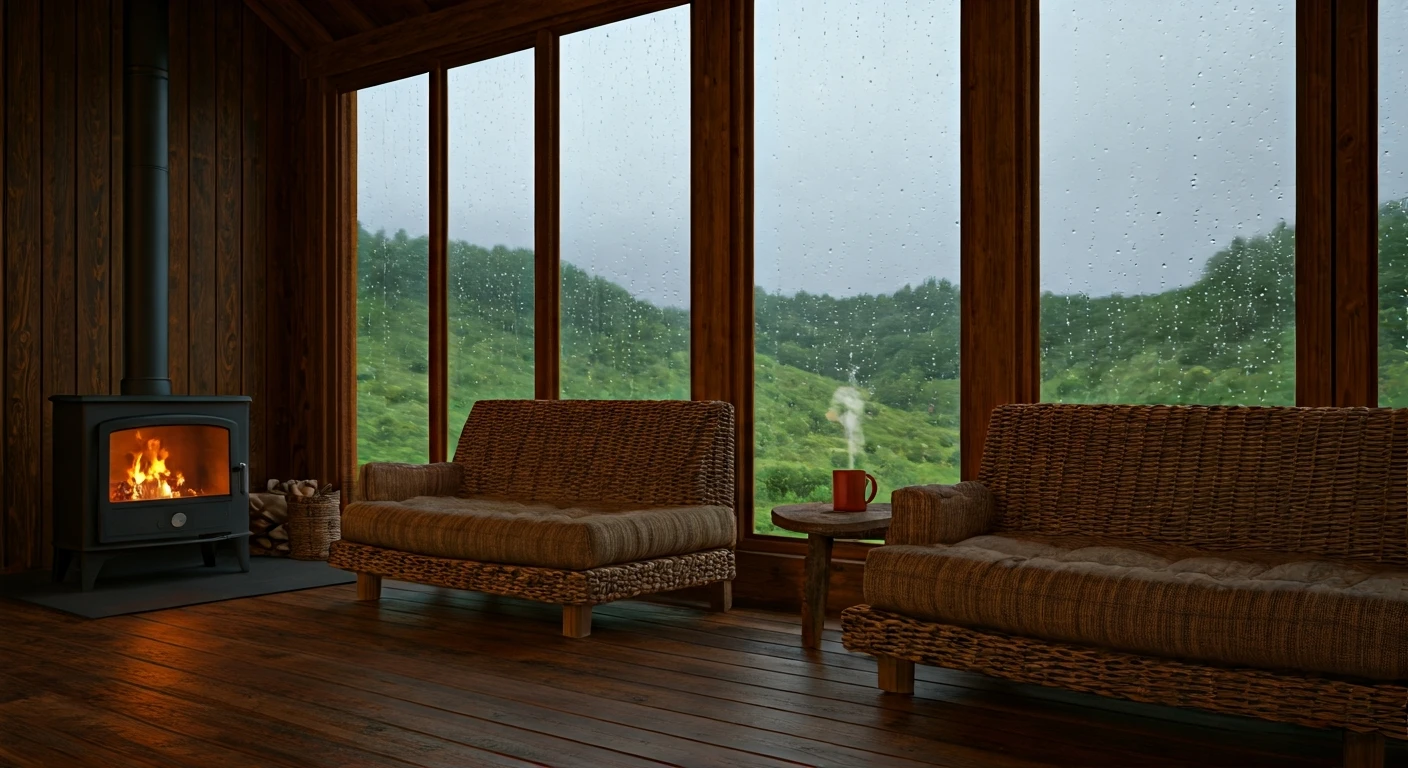
Ultimately, the irresistible nature of this travel style lies in the fusion. It’s not just the waterfall, or the meal, or the cozy room—it’s how they all weave together into a single, cohesive story. Imagine waking up to the distant sound of rushing water, enjoying a breakfast of fruit grown just feet from your door, and then setting off on a hike your host sketched out for you on a napkin. You spend the afternoon by a secluded waterfall, feeling fully present and alive. You return, tired and happy, to the aroma of a simmering stew and the promise of an evening spent sharing stories. This isn't a fantasy. It's the reality of a well-chosen homestay. It’s travel that moves at a human pace, grounded in the rhythms of nature and community. It offers a powerful antidote to the burnout and disconnection of modern life, reminding us that the most memorable journeys are often the ones that feel most like coming home.