






The World's Highest Stage
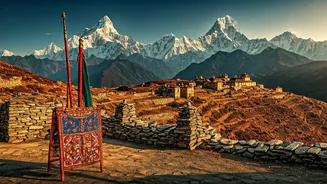
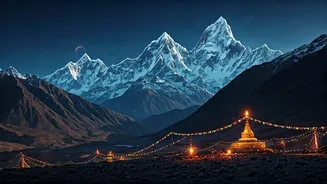
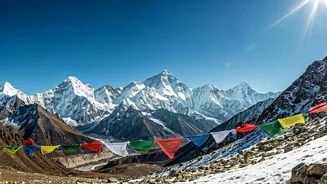
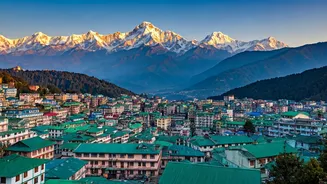
In the small, northeastern Indian state of Sikkim, wedged between Bhutan, Nepal, and Tibet, drama is part of the landscape. This is the home of Kanchenjunga, the colossal peak that locals believe is a guardian deity. Its snow-dusted ridges form a panoramic
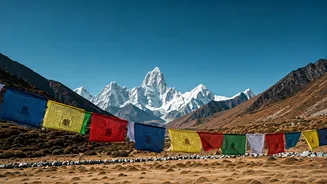
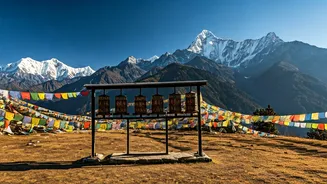
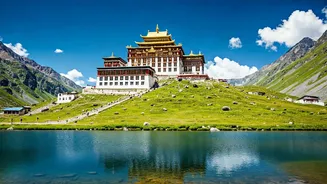
backdrop so immense and ever-present that it feels less like scenery and more like a silent, watchful audience. When a festival kicks off here, it's not just a community gathering; it's a performance on the world's most magnificent stage. The crisp mountain air, the fluttering prayer flags snapping in the wind, and the sheer verticality of the surroundings infuse every moment with a sense of profound significance. The pageantry isn't just for the people gathered in the monastery courtyard—it feels directed at the peaks themselves.
When Mountains Are Deities
To understand Sikkimese festivals is to understand that the mountains are not merely a pretty view. They are active participants. The most famous example is Pang Lhabsol, a festival unique to Sikkim that explicitly honors Mount Kanchenjunga as a protective force. During this event, lamas perform ritual dances, including one where a dancer wearing a fiery red mask and a crown of five skulls personifies the mountain god himself. It’s a powerful, visceral display of the bond between people and their environment. This isn't abstract worship; it's a deeply felt relationship with the natural world, a treaty of respect between humanity and a power far greater than itself. The stories told in these dances are of demons being subdued and the land being consecrated, narratives that are given weight and credibility by the towering peaks that stand witness.
A Symphony of Color and Sound
The heart of these festivals is the *chaam*, or ritual mask dances. Performed by monks in sprawling, heavy silk brocade costumes, these dances are slow, deliberate, and hypnotic. Each mask represents a specific deity, demon, or animal, and each step is part of a centuries-old choreography. The soundscape is just as dramatic. The deep, guttural drone of long Tibetan horns, called *dungchen*, echoes through the valleys, punctuated by the clash of cymbals and the rhythmic beat of drums. It’s a sensory overload in the best possible way. The purpose of these dances is twofold: to vanquish evil spirits and to impart blessings, effectively cleansing the community and the land for the year to come. Against the serene, white canvas of the Himalayas, the explosion of color and sound feels like a defiant celebration of life in a place where nature's power is absolute.
More Than Just a Backdrop
Ultimately, the mountains do more than just frame the action; they inform it. The resilience required to live in such a demanding landscape is mirrored in the spiritual fortitude celebrated in the festivals. The vibrant, intricate costumes and masks are a stark, joyful contrast to the often stark, monochromatic terrain of rock and ice. It’s a culture of vividness born from an environment of extremes. Whether it’s the Buddhist celebration of Saga Dawa or the Tibetan New Year of Losar, every gathering is imbued with a sense of place. The festivals are an affirmation that while the mountains may be imposing, the human spirit, fueled by faith and community, is just as indomitable. The drama of the festival is the drama of survival, faith, and celebration, all played out in the shadow of the gods they call mountains.