



A River at the Roof of the World
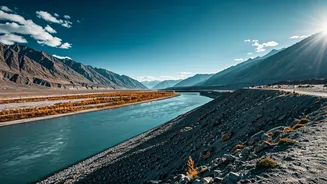
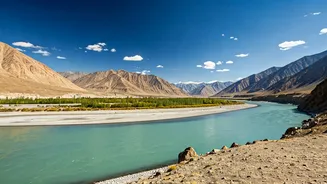
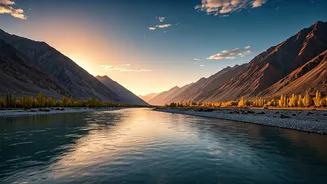
The star of the show is the Sindhu River, known to the wider world as the Indus. Originating in Tibet, this mighty river flows through the high-altitude desert of Ladakh in northern India before continuing its journey through Pakistan. For millennia,
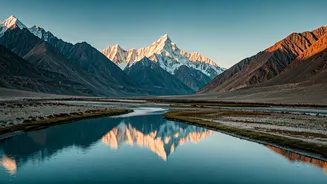
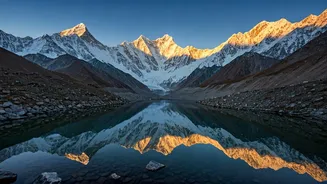
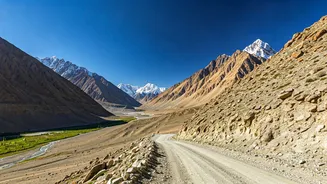
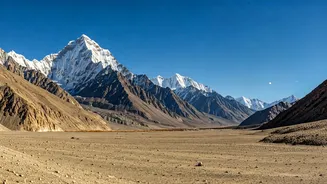
it has been a cradle of civilization and a silent witness to history. The festival takes place on its banks near Leh, the region's largest town, at a site called Shey Manla. Here, the landscape is breathtakingly dramatic: barren mountains in shades of ochre and purple frame the vibrant green of the river valley. Prayer flags flutter on every hilltop, sending mantras into the wind. It’s a place that commands a sense of awe before any festivities even begin.
A Modern Pilgrimage for Unity
Unlike ancient religious rites, the Sindhu Darshan Festival is a relatively modern creation, but its purpose is deeply rooted in India's identity. It was first held in 1997, conceived by veteran politician L.K. Advani as a way to promote national integration and honor the river that gave India its name. The festival, typically held in June during the full moon of Guru Purnima, was designed to draw people from every corner of the country to this remote, strategic, and stunningly beautiful region. It serves as a celebration of both the river's civilizational importance and the unity of India's diverse cultures.
A Symphony of Sights and Sounds
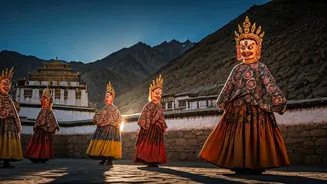
For three days, the usually quiet riverbank transforms into a vibrant kaleidoscope of Indian culture. Hundreds of artists from different states across the country—from the southern coasts of Kerala to the northeastern hills of Manipur—converge in Ladakh to perform. The air fills with the sounds of folk music, the rhythmic stomping of dancers, and the applause of a diverse crowd of locals, soldiers, and tourists. Performers in elaborate, colorful costumes showcase their unique regional traditions against the epic backdrop of the Himalayas. It’s a feast for the senses, where the rich tapestry of Indian culture is displayed in one of the most remote places on Earth.
The Central Ritual of Oneness
The festival’s most symbolic and moving ritual involves water. Attendees are encouraged to bring water from their own home rivers in urns. In a powerful ceremony, this water is mingled with the currents of the Sindhu. The act represents the merging of India's many distinct regions into a single, unified whole, just as countless streams and tributaries join a great river. The ceremony is often led by a group of fifty senior Buddhist lamas, who chant prayers for peace and prosperity, adding a profound spiritual dimension to the patriotic celebration. It's a moment of quiet reflection amidst the joyful noise, a tangible prayer for harmony.
Finding Stillness Amidst the Celebration
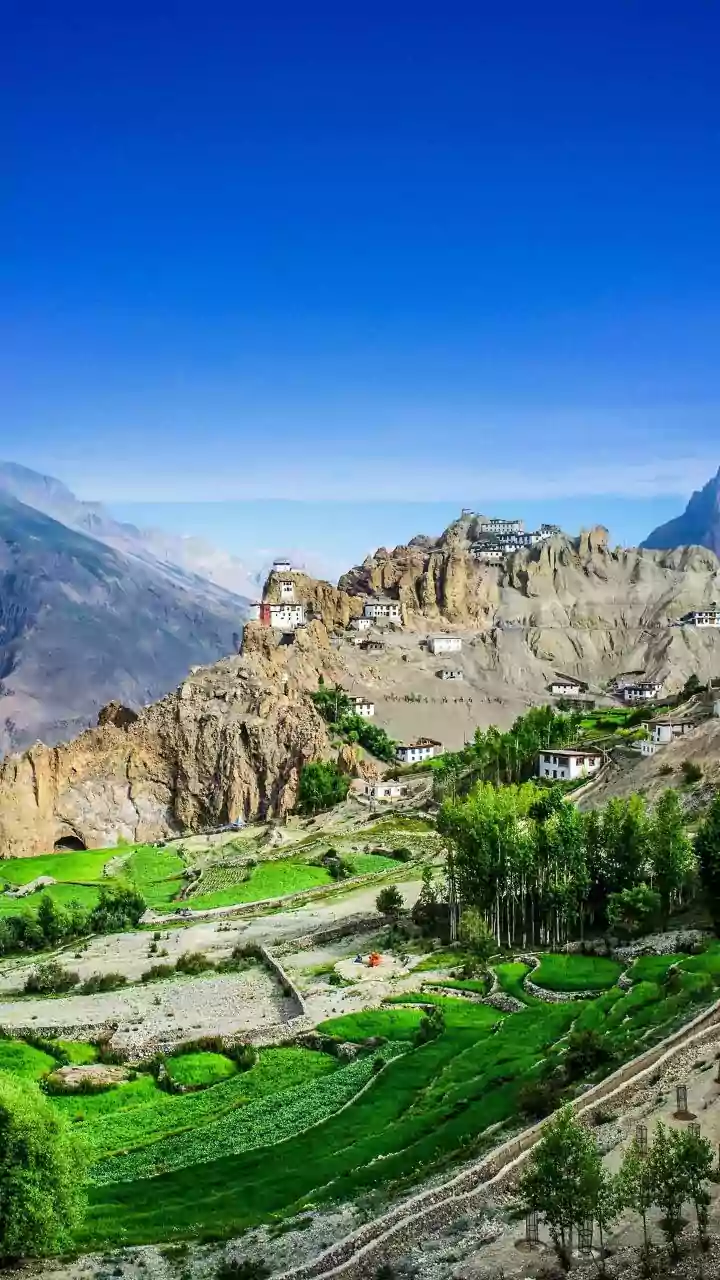
While the festival is a lively, communal affair, it also offers a unique path to inner peace. The very act of traveling to Ladakh, a region often called 'Little Tibet,' is a journey away from the chaos of modern life. The sheer scale and silence of the mountains, the clarity of the air, and the spiritual energy of the land create a contemplative atmosphere. Even during the festival, there are moments of profound stillness—watching the river flow, listening to the monastic chants, or simply gazing at the star-filled night sky. The 'inner peace' promised by the experience comes not from forced silence, but from witnessing a beautiful expression of human connection in a place of immense natural power.