



Why the Buzz About Pollinators?
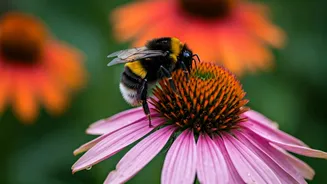
First, let's be clear: this isn't just about saving a few cute bumblebees. Pollinators—including bees, butterflies, moths, beetles, and even hummingbirds—are essential workers in our ecosystem. They are responsible for the reproduction of over 85% of the world's
flowering plants, including more than two-thirds of the world's crop species. The food on your table, from apples and almonds to zucchini and blueberries, depends on them. But these vital creatures are in trouble. Habitat loss, pesticide use, and climate change have led to alarming declines in many pollinator populations. The good news? Gardeners are stepping up. By rethinking their own patches of green, they are creating a decentralized network of safe havens, providing crucial food and shelter one backyard at a time.
Go Native: The Foundation of a Pollinator Paradise
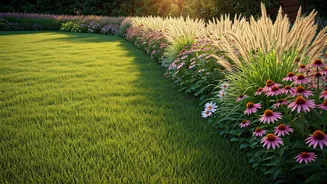
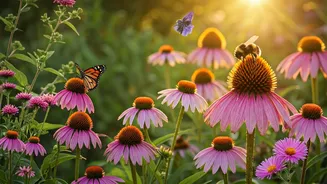
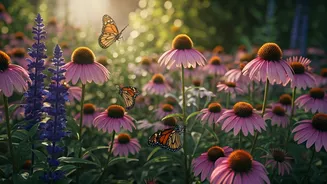
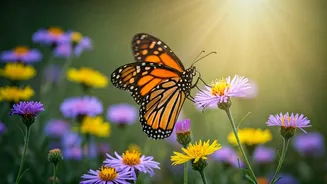
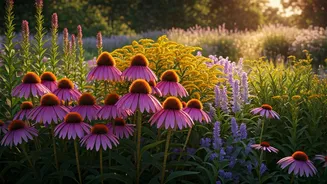
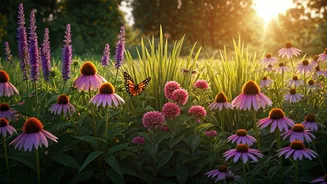
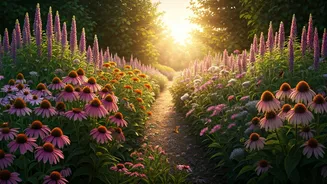
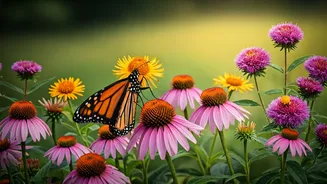
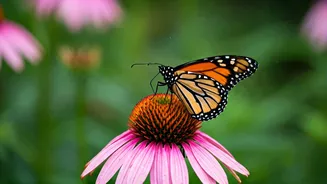
If you do only one thing, make it this: plant native species. Native plants are the ones that have grown in your specific region for centuries, co-evolving with the local wildlife. They are the original, all-natural buffet for your area's pollinators. A butterfly native to the Midwest might not recognize a flower from Asia, but it will flock to native Coneflower or Milkweed. Native plants are also typically lower-maintenance. Because they are adapted to your local climate and soil, they generally require less water, fertilizer, and fuss than exotic ornamentals. You can find lists of plants native to your specific area through the National Wildlife Federation's Native Plant Finder or by visiting a local nursery that specializes in them.
Plant a Buffet, Not Just a Snack
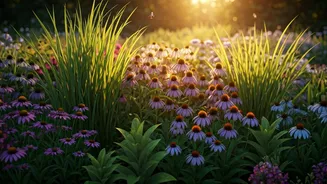
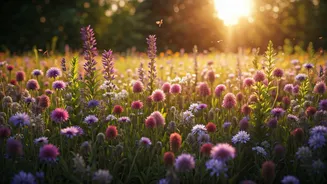
Pollinators need food from the first warm days of spring through the last mild days of fall. A successful pollinator garden offers a continuous succession of blooms. Think about planting a variety of flowers that will bloom at different times. Early spring bloomers like crocuses and lungwort can provide a crucial first meal for emerging queen bees. For summer, a mix of Black-Eyed Susans, bee balm (Monarda), and phlox offers a feast. In the fall, asters and goldenrod become critical fuel sources for migrating monarchs and bees preparing for winter. Also, plant in clumps or drifts rather than single, spaced-out flowers. A large patch of a single type of flower is a much more visible and efficient target for a foraging bee than a lone bloom.
Offer More Than Just Flowers
Like any living creature, pollinators need more than just food. They also need water and shelter. You don't need a fancy pond; a simple, shallow dish of water is perfect. Add a few pebbles or marbles so they stick out of the water, giving bees and butterflies a safe place to land and drink without drowning. Shelter is even easier to provide. Many of our 4,000 native bee species are solitary and nest in tunnels in wood or in small patches of bare, undisturbed ground. You can help them by leaving a dead tree trunk or a few fallen logs in a corner of your yard. Resisting the urge to cover every square inch of soil with thick mulch also provides valuable nesting real estate. A small pile of sticks or leaves can become a vital overwintering site for queen bees and butterfly pupae.
Rethink 'Pests' and Put Away the Pesticides
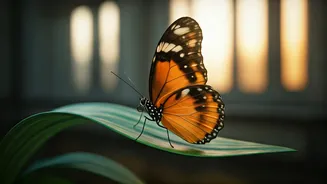
Creating a haven for pollinators means giving up on the idea of a 'perfect,' bug-free garden. Many common insecticides, fungicides, and herbicides are indiscriminate, harming beneficial insects just as much as the ones you’re trying to eliminate. Even products labeled 'organic' can be harmful to bees if applied incorrectly. The best approach is to stop using pesticides altogether. A healthy, diverse garden with plenty of native plants will naturally attract predatory insects like ladybugs and lacewings, which will help keep pest populations in check. And remember that a few chewed leaves are not a sign of failure; they're a sign of life. Those holes in your milkweed leaves mean a monarch caterpillar is getting the food it needs to become a beautiful butterfly.