







From Perk to Prerequisite
Not long ago, a dedicated space for wellness was considered a luxury. It was the stuff of high-end spas, Silicon Valley campuses with their famous nap pods, or sprawling celebrity mansions. For most people, wellness was an activity you left home to find—at
a yoga studio, a gym, or a park. But a quiet and powerful shift has occurred. The demand for integrated wellness spaces—areas designed for meditation, quiet reflection, yoga, or simply unplugging—has become a standard request in architecture and interior design. This isn't just a fleeting trend; it’s a reflection of a fundamental reprioritization of mental and physical health in the American consciousness. The collective stress of the past several years has accelerated this movement, turning what was once a ‘nice-to-have’ into a ‘must-have’ for a growing number of people.
The Wellness-First Home
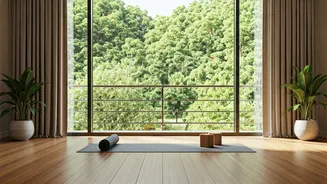
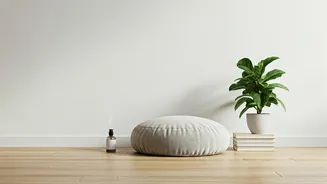
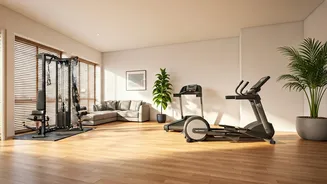
The most personal expression of this trend is happening inside our own front doors. Where homeowners once prioritized open-concept entertainment areas, many are now carving out sacred space for self-care. In new construction, architects report that clients are asking for dedicated 'wellness rooms' or flexible spaces that can serve as a yoga studio, meditation corner, or home gym. But it's not limited to new builds. In existing homes, people are getting creative. A spare bedroom is converted with soft lighting and floor cushions. An unused corner of a living room becomes a 'digital detox' zone with comfortable seating and a strict no-screens rule. Even apartment dwellers are finding ways to designate small nooks for mindfulness, using plants, lighting, and textiles to create a sense of sanctuary. This shift is also visible in the real estate market, where property listings increasingly highlight features like 'meditation gardens,' 'private yoga spaces,' or proximity to nature as key selling points.
The New Office Amenity
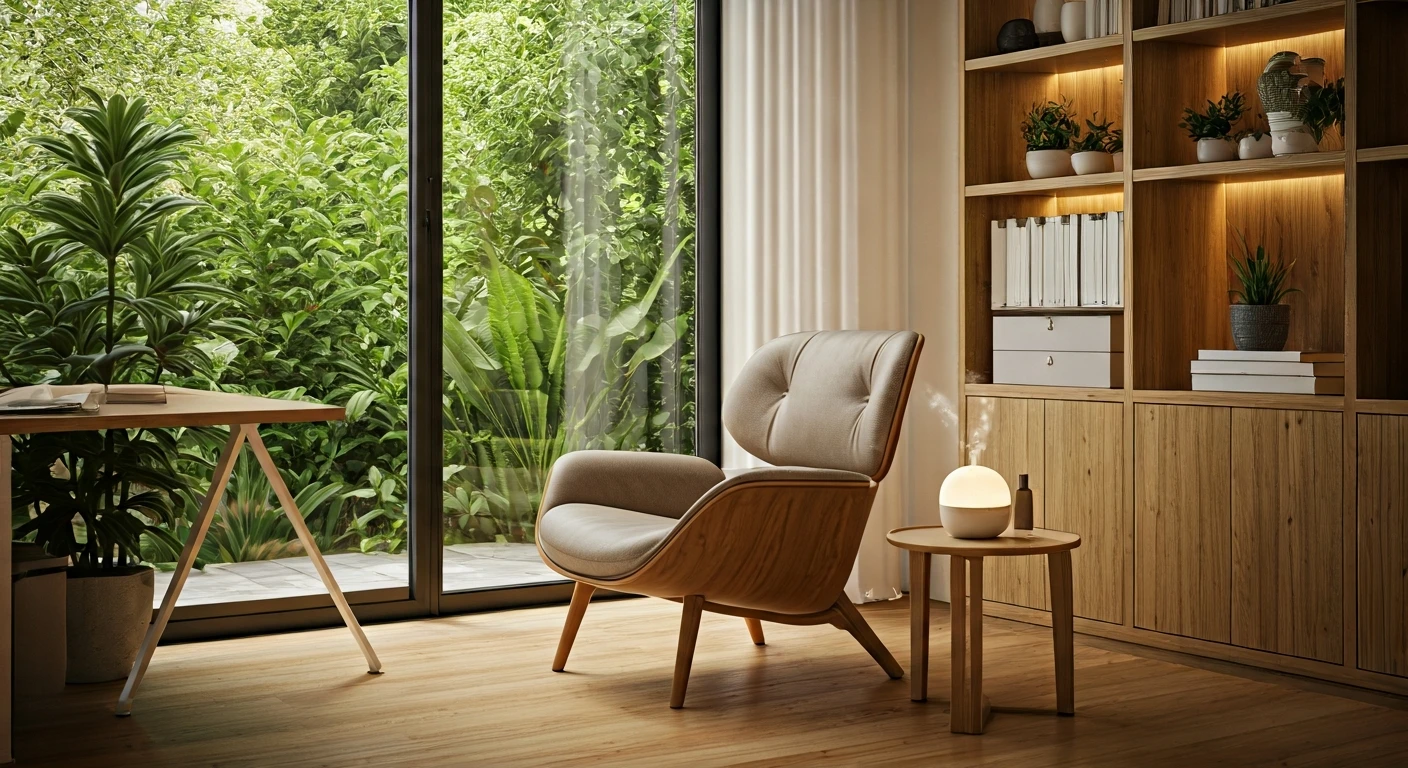
The wellness wave is also reshaping the American workplace. As companies coax employees back to the office, they're realizing that free coffee and a ping-pong table are no longer enough. The modern worker, accustomed to the comforts and autonomy of home, now expects an office that supports their overall well-being. Forward-thinking companies are responding by integrating wellness rooms that go far beyond the legally required lactation space. These are quiet, tech-free zones designed for de-stressing and recharging. They might include comfortable armchairs, noise-canceling headphones, guided meditation apps on shared tablets, or even light therapy lamps. It's a strategic move. Businesses understand that a mentally drained and overstimulated employee is not a productive one. By providing an escape from the constant barrage of emails and meetings, they are investing in focus, creativity, and, ultimately, employee retention. A wellness room is no longer seen as a frivolous perk but as essential infrastructure for a healthy work culture.
Hospitality Gets a Mindful Makeover
The travel industry has also taken note. Hotels are in a fierce competition to attract health-conscious guests, and the basic basement fitness center is being rapidly eclipsed. Major hotel chains are now partnering with wellness brands like Peloton and Calm, placing high-end exercise equipment and meditation content directly in rooms. New hotel concepts are being built entirely around the idea of restorative travel, with amenities that include on-site spas, infrared saunas, yoga pavilions, and curated wellness programming. Even airports—arguably some of the most stressful spaces in modern life—are beginning to incorporate multi-faith prayer rooms, yoga studios, and quiet lounges where travelers can find a moment of peace before their flight. This demonstrates that the expectation for wellness support now follows us wherever we go, a clear signal that it has been fully integrated into our lifestyle demands.