


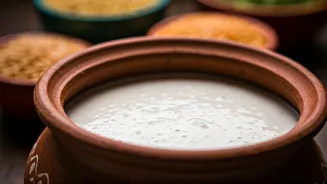
Oats and Whole Grains
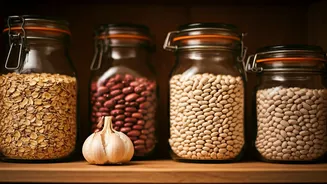
That humble canister of rolled oats is a powerhouse for your gut. Oats are rich in a specific type of soluble fiber called beta-glucan. Think of this fiber as a feast for the beneficial bacteria in your gut. When these microbes digest beta-glucan, they
produce short-chain fatty acids (SCFAs), like butyrate. Butyrate is the primary fuel source for the cells lining your colon, helping to maintain a strong gut barrier. Beyond oats, other whole grains like barley and quinoa offer a fantastic variety of fibers and nutrients that contribute to a diverse and resilient microbiome, which is a key indicator of gut health.
Beans and Lentils
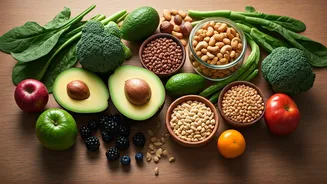
Often overlooked, beans and lentils are champions of gut-friendly eating. They are loaded with prebiotic fiber, particularly resistant starch. This type of starch “resists” digestion in the small intestine and travels to the large intestine, where it becomes food for your good gut bacteria. This process helps increase the population of beneficial microbes. A can of black beans, chickpeas, or a bag of dried lentils can be easily added to soups, salads, and stews. They not only provide fiber but also plant-based protein, making them an economical and nutrient-dense choice for both you and your gut.
Garlic and Onions
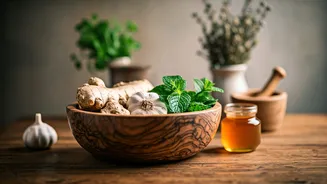
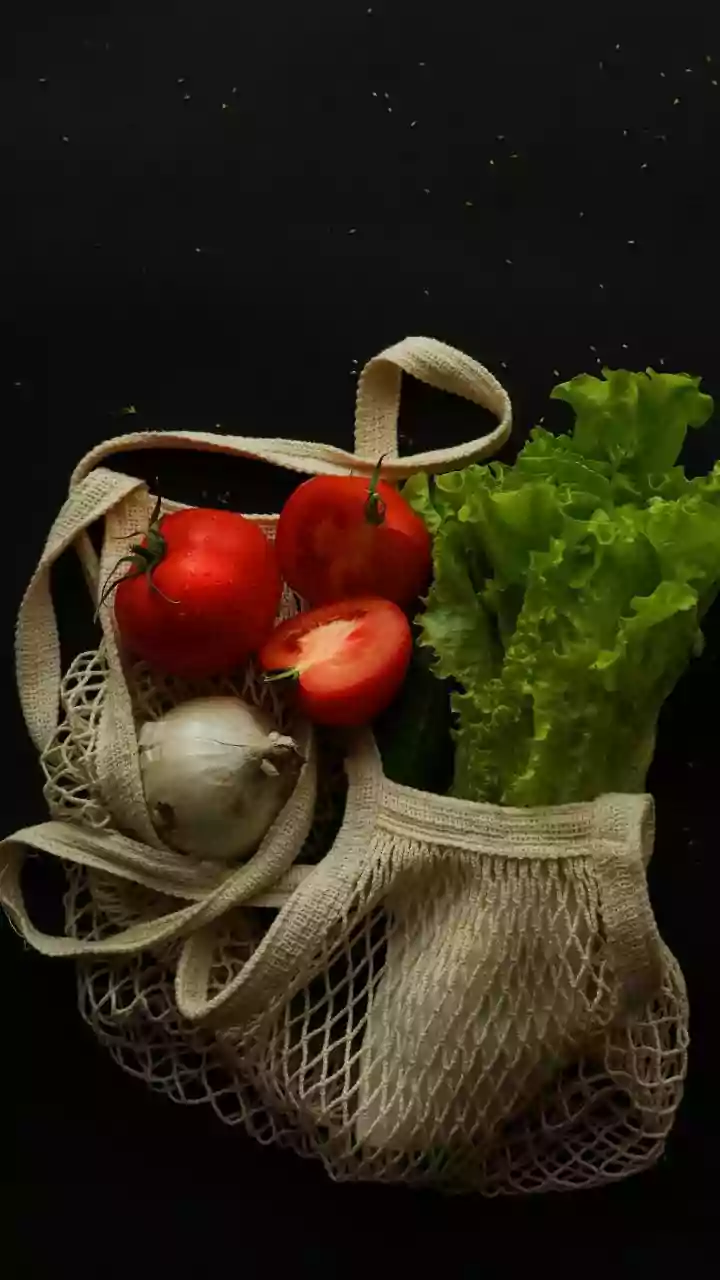
Garlic and onions are more than just flavor bases; they are potent prebiotics. They belong to a group of foods containing fructans, a type of carbohydrate that your good gut bacteria absolutely love to munch on. By feeding these beneficial bacteria, you help them thrive and crowd out less desirable microbes. Garlic also has known antimicrobial properties that can help maintain a healthy balance within the gut ecosystem. Since most home cooks keep these on hand, incorporating them into your daily meals is one of the easiest ways to consistently give your gut a helping hand.
Extra Virgin Olive Oil
A good bottle of extra virgin olive oil (EVOO) does more than dress a salad. It's packed with polyphenols, which are powerful antioxidants. These compounds can have a positive effect on the gut. They aren't just absorbed by your body; some make it to the colon, where they can be metabolized by your gut bacteria. Research suggests that the polyphenols in EVOO can help increase the numbers of beneficial bacteria and may have an anti-inflammatory effect within the gut. Using EVOO as your primary cooking fat or for drizzling over finished dishes is a simple swap with significant benefits.
Nuts and Seeds
Almonds, walnuts, chia seeds, and flaxseeds are all fantastic for your digestive system. They offer a winning combination of fiber, healthy fats, and polyphenols. The fiber adds bulk to stool, promoting regularity, while the fats and polyphenols nourish your gut lining and microbes. Walnuts, in particular, have been studied for their ability to increase microbial diversity. Chia seeds and flaxseeds are rich in soluble fiber that forms a gel-like substance, which can be soothing for the gut. A small handful as a snack or sprinkled on yogurt or oatmeal is an effortless addition.
A Nod to the Fridge: Fermented Foods
While not always in the dry pantry, some fermented foods are staples of the American fridge. Plain yogurt and kefir contain live and active cultures (probiotics) that can directly add beneficial bacteria to your system. Similarly, naturally fermented pickles or sauerkraut (look for “live cultures” on the label and find them in the refrigerated section) offer a dose of probiotics. These foods introduce new, helpful microbes to the party, contributing to a more diverse and functional gut community. While the term is 'gut healing', think of it more as 'gut supporting'—and these foods are excellent supporters.