


From the Cart to the Crisper
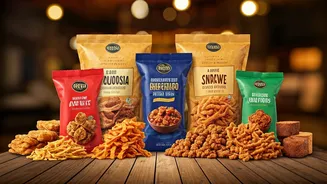
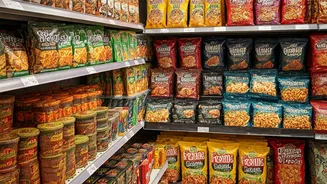
Walk down the snack aisle of any Indian supermarket, and you'll see a vibrant flavor takeover. Potato chip giants like Lay’s aren't just selling salted or sour cream and onion anymore. They’re offering flavors like “Dilli Chaat,” mimicking the spicy,
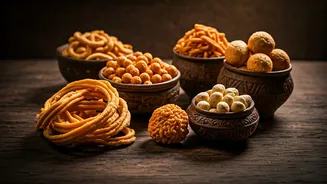
sweet, and tangy potato snack from Delhi, or “West Bengal’s Jhal,” a nod to the region's pungent mustard-infused puffed rice. It's not just Lay's. Its domestic competitor, Kurkure, has built an empire on snacks that taste like masala, and has even experimented with flavors inspired by *pani puri*, the iconic hollow crisps filled with spiced water. This trend extends beyond chips. Companies like Haldiram’s and Bikaji, long-standing titans of traditional Indian sweets and savories, now sell DIY kits for *bhelpuri* and *pani puri*, allowing consumers to assemble the beloved street snacks at home, complete with all the requisite chutneys and crunchy bits in separate, shelf-stable packets. The street is no longer just the street; it's the inspiration for a multi-billion-dollar industry's R&D department.
A Craving for Convenience and Nostalgia
So, why is this happening now? The answer is a potent cocktail of cultural and economic shifts. First, there's the powerful engine of nostalgia. For millions of Indians who have moved from their hometowns to big cities for work, or even emigrated abroad, these flavors are a direct line to their childhood. A bag of chips that tastes like the *chaat* they ate after school is more than a snack; it's a transportive experience. Second, there's the modern demand for convenience and hygiene. While the thrill of eating from a street cart is undeniable, concerns about cleanliness have always been present. Packaged snacks offer a “safe,” standardized version of that experience. Busy urban professionals may not have time to seek out their favorite *vada pav* (a spiced potato fritter in a bun) vendor, but they can grab a bag of vada pav-flavored chips on their way home. These products solve a modern problem by leveraging a traditional love.
The Billion-Dollar Flavor Race
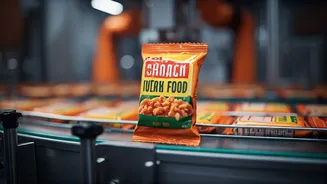
The Indian packaged snacks market is colossal and fiercely competitive, estimated to be worth over $15 billion and growing rapidly. For multinational corporations like PepsiCo (owner of Lay’s and Kurkure) and domestic powerhouses like ITC (maker of Bingo! chips), capturing local tastes isn't just a gimmick; it's a core business strategy. This process, known as “hyper-localization,” involves deep-diving into the regional flavor profiles that define India's diverse culinary landscape. A flavor that works in Mumbai might not resonate in Chennai. As a result, companies are launching region-specific products to win over local palates. This isn't just about throwing some chili powder on a potato chip. It involves sophisticated food science to deconstruct a complex dish—with its multiple layers of taste, texture, and aroma—and then reconstruct its essence into a dry, shelf-stable format. It’s a race to see who can best bottle the lightning of India’s culinary soul.
The Challenge of Authentic Taste
Of course, this translation from street to shelf is not without its challenges. Can a potato chip truly replicate the multi-sensory experience of a fresh *dahi puri*, with its cold yogurt, warm potato filling, and crisp, shattering shell? Most would say no. The magic of street food lies in its immediacy and texture—the heat, the cold, the soft, the crunchy, all in one bite. That's nearly impossible to capture in a mass-produced product. Critics argue that these snacks offer a flattened, simplified version of the real thing. However, the goal for these companies isn't perfect replication. It's about evoking a memory, a specific flavor note that triggers the consumer's association with the original dish. The chip doesn't have to be the *chaat*, it just has to remind you of it. For millions of consumers, that reminder is more than enough.