



1. It's a World Away From the India You Expect
When you think of India, you might conjure images of Rajasthan's golden forts or Goa's sun-drenched beaches. Northeast India shatters those stereotypes. Comprising eight states—often called the “Seven Sisters” plus Sikkim—this region is a world apart,
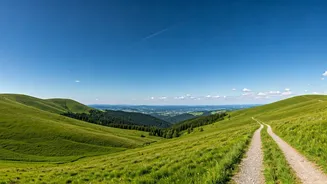
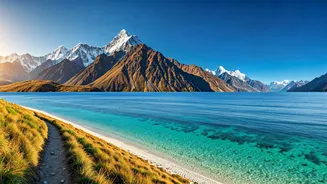
connected to the rest of the country by a narrow land corridor. Instead of arid plains, you’ll find lush, rolling hills that look more like Ireland, dramatic Himalayan peaks, and dense rainforests. The cultural fabric is also distinct, with Southeast Asian and Tibetan influences weaving through its communities. It’s a place that challenges your entire perception of what India is, offering a completely fresh perspective on a vast and complex nation.
2. The Landscapes Feel Genuinely Prehistoric
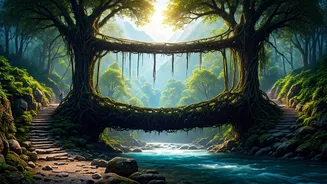
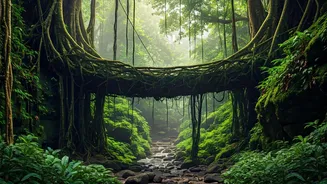
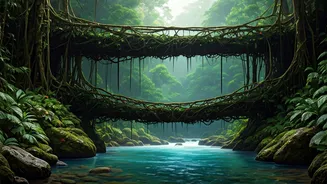
There are places in Northeast India that feel untouched by modern time. The state of Meghalaya, one of the wettest places on Earth, is famous for its living root bridges. For centuries, the local Khasi people have guided the roots of rubber trees across rivers, training them to grow into sturdy, natural bridges that only get stronger with age. They are a breathtaking testament to a harmonious relationship between humanity and nature. Further north in Assam, Kaziranga National Park is a UNESCO World Heritage site and a crucial sanctuary for the one-horned rhinoceros. Seeing these massive, armor-plated creatures grazing in the wild grasslands is a humbling, Jurassic Park-like experience that feels raw and primal.
3. You Can Experience Cultures Found Nowhere Else
The region is a vibrant mosaic of indigenous cultures. Arunachal Pradesh alone is home to 26 major tribes and countless sub-tribes, each with its own language, dress, and belief system. In Nagaland, you can learn about the proud history of the 16 recognized tribes, once feared headhunters who now welcome visitors to share their rich heritage. The best time to witness this cultural explosion is during a festival. Nagaland's Hornbill Festival, held every December, is a spectacular gathering where tribes showcase their music, dance, and traditions. It's not a performance for tourists; it’s a living, breathing celebration of identity and one of the most authentic cultural experiences on the planet.
4. The Food Is a Delicious Revelation
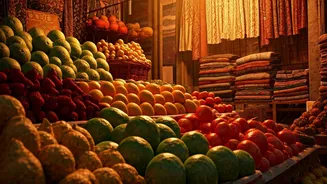
If your only experience with Indian food is chicken tikka masala and naan, prepare to have your mind blown. The cuisine of Northeast India is a diverse and delicious world of its own, with a focus on fresh, local ingredients and flavors you won't find anywhere else. It’s generally lighter and less reliant on heavy spices and dairy than North Indian food. Staples include rice, pork, bamboo shoots, and a variety of fermented products that deliver a powerful umami punch. In Assam, you might try a fish curry (masor tenga) flavored with sour tomato. In Sikkim, you’ll find delicious momos (dumplings) with Tibetan roots. And in Nagaland, you can sample dishes smoked to perfection and spiced with the legendary Bhut Jolokia, or ghost pepper.
5. It Still Feels Like a Genuine Adventure
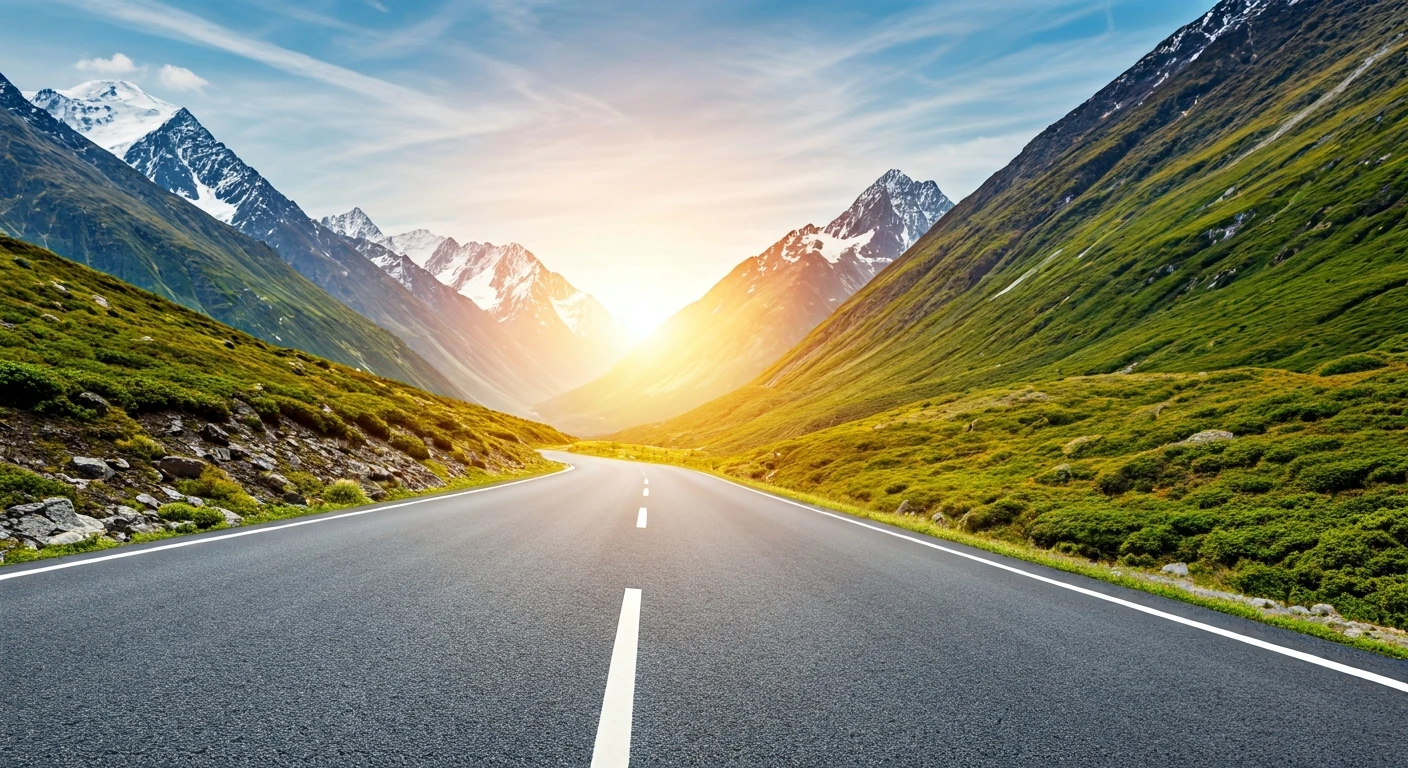
While tourism is growing, Northeast India hasn't been overrun. It’s not on the well-trodden backpacker circuit, and that’s a huge part of its appeal. Getting around can be challenging; roads can be rough, and journeys can take longer than expected. Some areas, particularly in Arunachal Pradesh, require special permits for foreign travelers. But for the modern explorer, these hurdles are not drawbacks—they are part of the adventure. This isn't a pre-packaged vacation. It’s a chance to step off the grid, navigate a region on your own terms, and return with stories that none of your friends have. It’s a rewarding journey for those who seek discovery over convenience and authenticity over polish.