





Beyond the Nutrition Label
So what exactly is an “emotion-led” food brand? It’s a company that sells a feeling first and a product second. Think of it as the difference between a brand that shouts “Low-Carb!” and one that whispers, “This reminds you of summer with your grandmother.”
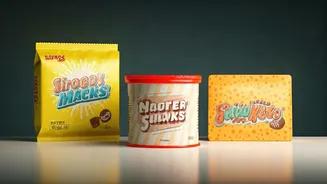
The focus shifts from the functional (what it does for your body) to the emotional (what it does for your soul). This isn't just about a heartwarming TV commercial. It’s an entire brand ethos baked into the company’s identity. It’s the founder’s personal story, the hyper-specific aesthetic of the packaging, the witty and relatable voice on social media, and the mission that drives the business. You’re not just buying a snack; you’re buying into an identity, a community, or a memory. It’s the comfort of nostalgia, the thrill of discovering something new, or the quiet satisfaction of supporting a brand that shares your values.
When Health Claims Became Noise
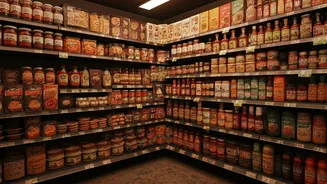
This strategic pivot didn’t happen in a vacuum. For the better part of two decades, the primary “flex” for food brands was piling on health and wellness claims. Products boasted about being organic, non-GMO, gluten-free, keto-friendly, plant-based, or packed with adaptogens. But when every yogurt, chip, and cereal brand started speaking the same language, the claims began to lose their power. The grocery store became a dizzying landscape of virtuous-sounding labels, leading to consumer fatigue and skepticism. To stand out from the sea of sameness, the smartest brands realized they had to forge a different kind of connection. They couldn't just be *better for you*; they had to be *more meaningful to you*. The conversation shifted from what’s inside the package to what the package itself represents.
The New Pantry All-Stars
Look at the cult-favorite brands winning over Millennials and Gen Z, and you’ll see this strategy in action. Fly By Jing isn’t just selling chili crisp; it’s selling founder Jing Gao’s mission to decolonize the Asian pantry with flavors that are “not traditional, but personal.” Ghia, a non-alcoholic aperitif, isn’t about what’s missing (the alcohol) but what’s present: sophistication, social inclusion, and the pleasure of a complex, adult beverage. Even legacy categories are getting a makeover. Tinned fish, once a drab pantry staple, has been transformed by brands like Fishwife and Scout into a trendy, aesthetically pleasing lifestyle choice. Through beautiful design, playful branding, and an emphasis on sustainability, they’ve made conservas cool. These aren’t just products; they’re conversation starters and identity markers you’re proud to display on your counter.
Fueled by the Creator Economy
This trend is perfectly suited for the social media age. Younger consumers, who grew up with influencers and creator-led content, are fluent in the language of storytelling and authenticity. They don’t trust faceless corporations, but they do trust people. An emotion-led brand often puts its founder front and center, creating a human connection that resonates deeply. A viral TikTok video detailing a founder’s struggles and triumphs can forge more loyalty than a Super Bowl ad. This ecosystem rewards brands that have a clear point of view, a compelling narrative, and a distinct personality. They feel less like mass-market products and more like discoveries shared by a friend, making customers feel like insiders who are part of the journey.
The Risk of a Vibe Check
Of course, flexing with emotion is a high-wire act. The line between genuine connection and cynical, manipulative marketing is incredibly thin. Consumers have a finely tuned radar for inauthenticity and are quick to call out brands that seem to be “vibe-jacking”—adopting the language of a small, mission-driven startup without any real substance to back it up. When a massive conglomerate launches a new line with a manufactured “founder’s story” or tries to clumsily co-opt a social movement, it often backfires spectacularly. The emotional flex only works if it’s rooted in truth. The brand’s actions, from sourcing to company culture, must align with the feelings it’s trying to sell. If the vibe check fails, the brand isn't just ignored; it's ridiculed.