


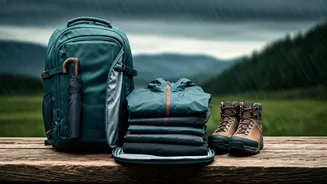
Start with a Waterproof Backpack
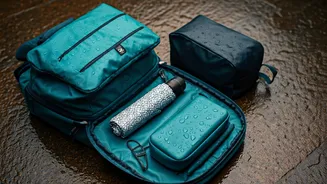
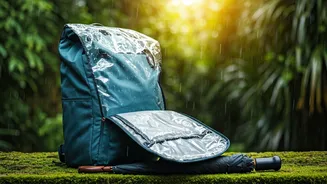
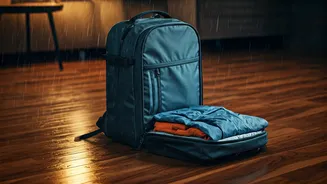
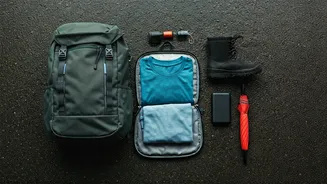
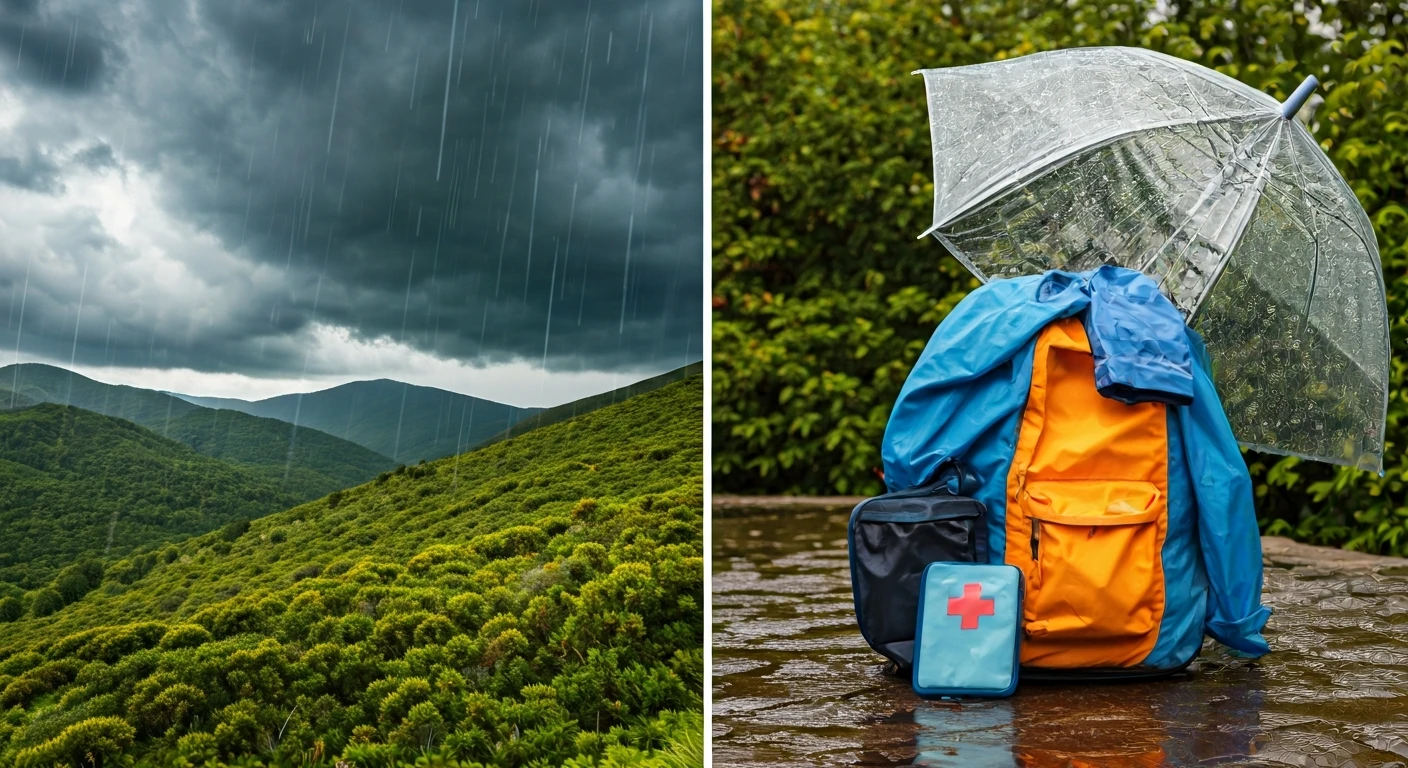
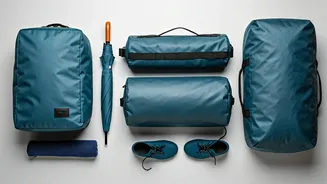
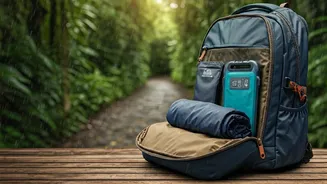
First, forget the rolling suitcase. Navigating muddy roads, puddles, and uneven terrain with wheels is a nightmare. A backpack is your best friend. Look for one made from water-resistant materials like treated nylon or tarpaulin. Even better, get one with a built-in
rain cover that can be deployed instantly. A 40-50 liter pack is often the sweet spot for balancing capacity with portability. This single choice addresses half the battle: a bag that’s both light and designed to repel the elements, keeping your hands free for balancing with an umbrella.
Choose Fabrics That Dry in Minutes, Not Days
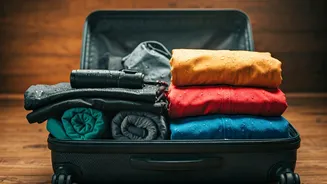
Here's the most important rule of monsoon clothing: no cotton. Cotton absorbs moisture, takes forever to dry in high humidity, and will leave you feeling damp and chilled. Instead, build your travel wardrobe around quick-drying, moisture-wicking fabrics. Synthetics like polyester and nylon are excellent, as is merino wool, which regulates temperature and resists odor even when wet. Lightweight linen blends can also work well for their breathability, but they won't dry as fast as performance synthetics. The goal is to be able to hand-wash an item in your hotel sink and have it be dry by morning.
Rethink Your Footwear for Floods
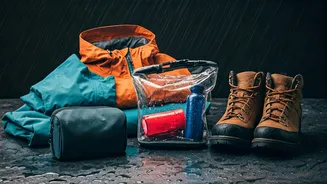
Your shoes will get wet. Accept this fact, and plan for it. While waterproof hiking boots seem like a good idea, they can become heavy, hot, and take days to dry out once water inevitably gets in over the top. A better strategy is often to embrace the wet with footwear designed for it. Look for sturdy sandals with good grip (like those from Keen or Teva) or ventilated water shoes. For city walking, a pair of quick-drying sneakers made from mesh materials works well. Always pack a second pair of shoes so one can dry while you wear the other. And don't forget good quality, quick-drying socks to help prevent blisters.
Layer with a Breathable Rain Shell
Even in tropical heat, a downpour can create a surprising chill. A cheap plastic poncho will turn you into a walking sauna. Invest in a lightweight, breathable, and fully waterproof rain jacket. Look for features like sealed seams and adjustable cuffs. This shell will be your most-used item, protecting you from sudden storms without making you overheat. It can be layered over a t-shirt or a thin long-sleeve shirt, giving you flexibility for different conditions.
Compartmentalize and Waterproof Your Gear
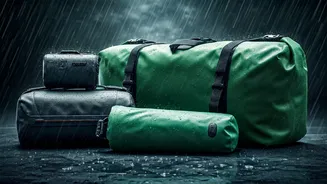
Your waterproof backpack is just the first line of defense. True peace of mind comes from internal waterproofing. Use a collection of dry sacks (also known as stuff sacks) to compartmentalize your belongings. Dedicate one for electronics, one for your passport and documents, and others for changes of clothes. This not only keeps critical items safe from water but also makes your bag incredibly organized. Even heavy-duty Ziploc bags are better than nothing. Consider a waterproof phone pouch you can wear around your neck for easy access and protection.
Pack for Health in High Humidity
Humid, wet environments are breeding grounds for insects and fungal infections. Your medical kit should reflect this. Pack a strong insect repellent, preferably one containing DEET, for protection against mosquito-borne illnesses. Include anti-fungal foot powder to keep your feet dry and healthy after a day in damp shoes. Basic first-aid supplies, antiseptic wipes, and a few rehydration salt packets (in case of stomach bugs) are also non-negotiable.
Bring a Few Game-Changing Gadgets
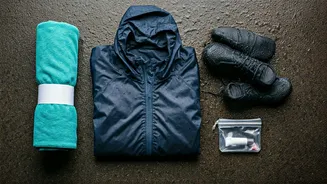
A few small, inexpensive items can make a massive difference. A travel clothesline and a few pegs allow you to hang wet clothes to dry anywhere. A universal sink plug can turn any sink into a makeshift laundry basin. Finally, a fast-drying microfiber towel is invaluable. It’s far more absorbent and compact than a standard towel and will be dry long before the hotel-provided one is.