



The Return of ‘Ghar Ka Khana’
For years, the story of food in urban India was one of outward expansion. It was about embracing global cuisines, frequenting new restaurants, and mastering complex, Instagram-worthy dishes. But a significant cultural shift is now pulling the focus back
inward, toward the humble, everyday meals known as ‘Ghar ka Khana’—literally, ‘food of the home.’ This isn't just about a preference; it’s a renewed appreciation for the soulful, simple, and deeply personal cooking that defines daily life for millions. After a whirlwind romance with global food trends and elaborate dining, a collective craving for authenticity has set in, turning the simple home kitchen into the most celebrated culinary space.
What’s Actually on the Plate?
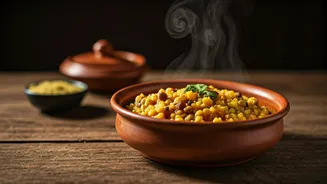
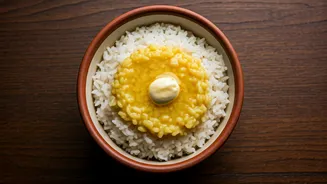
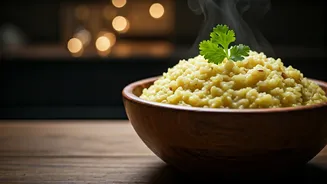
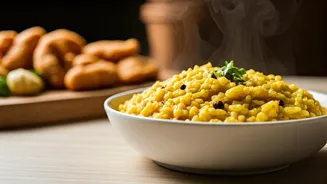
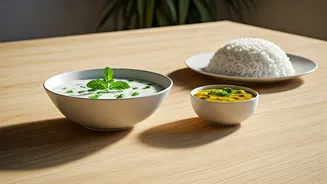
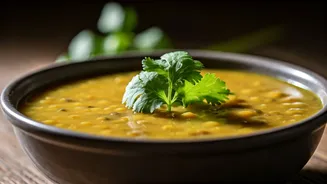
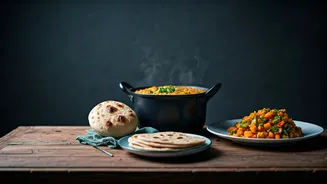
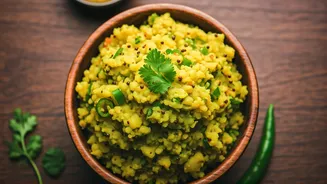
When Americans think of Indian food, they often picture rich curries like Chicken Tikka Masala or buttery naan. But ‘Ghar ka Khana’ is a different universe. It’s the domain of dishes that are nourishing, easy to digest, and packed with emotional resonance. Think of Khichdi, a soft, savory porridge of rice and lentils, often the first solid food a baby eats and the go-to meal for anyone feeling under the weather. It’s the ultimate ‘hug in a bowl.’ Or consider Rajma Chawal—creamy kidney bean curry served over steamed rice—a Sunday staple in North Indian homes that tastes of lazy afternoons and family gatherings. There’s also the simple genius of dal (lentil soup), which varies from house to house, and fluffy, freshly made rotis (flatbreads). These aren't dishes designed to impress guests; they are dishes designed to nurture the soul.
The Pandemic as a Catalyst
Like many global trends, this one was accelerated by the pandemic. Lockdowns forced people back into their kitchens, away from takeout and restaurant meals. With more time on their hands and a heightened need for security, many rediscovered the joy and rhythm of cooking the food they grew up with. Social media feeds, once dominated by sourdough starters, became flooded with images of dal, sabzi (vegetable stir-fries), and other Indian staples. For members of the diaspora living abroad, unable to travel home, recreating a parent’s signature dish became a powerful way to bridge physical distance and soothe anxieties. The act of cooking became an act of connection and self-care, a ritual that has outlasted the lockdowns themselves.
A Modern Twist on Tradition
What makes this comeback so compelling is that it’s not just a nostalgic look backward. It’s being driven by a younger generation that is actively redefining its relationship with its culinary heritage. Millennials and Gen Z are not only learning these recipes from their parents and grandparents but also sharing them widely on Instagram and TikTok. They are documenting family techniques, creating aesthetic videos of simple meals, and proudly championing the idea that humble food is worthy of celebration. This digital movement has given ‘Ghar ka Khana’ a new cultural currency, framing it not as old-fashioned or boring, but as a cool, authentic expression of identity in a globalized world.