



The Foundation: Yogurt in All Its Glory
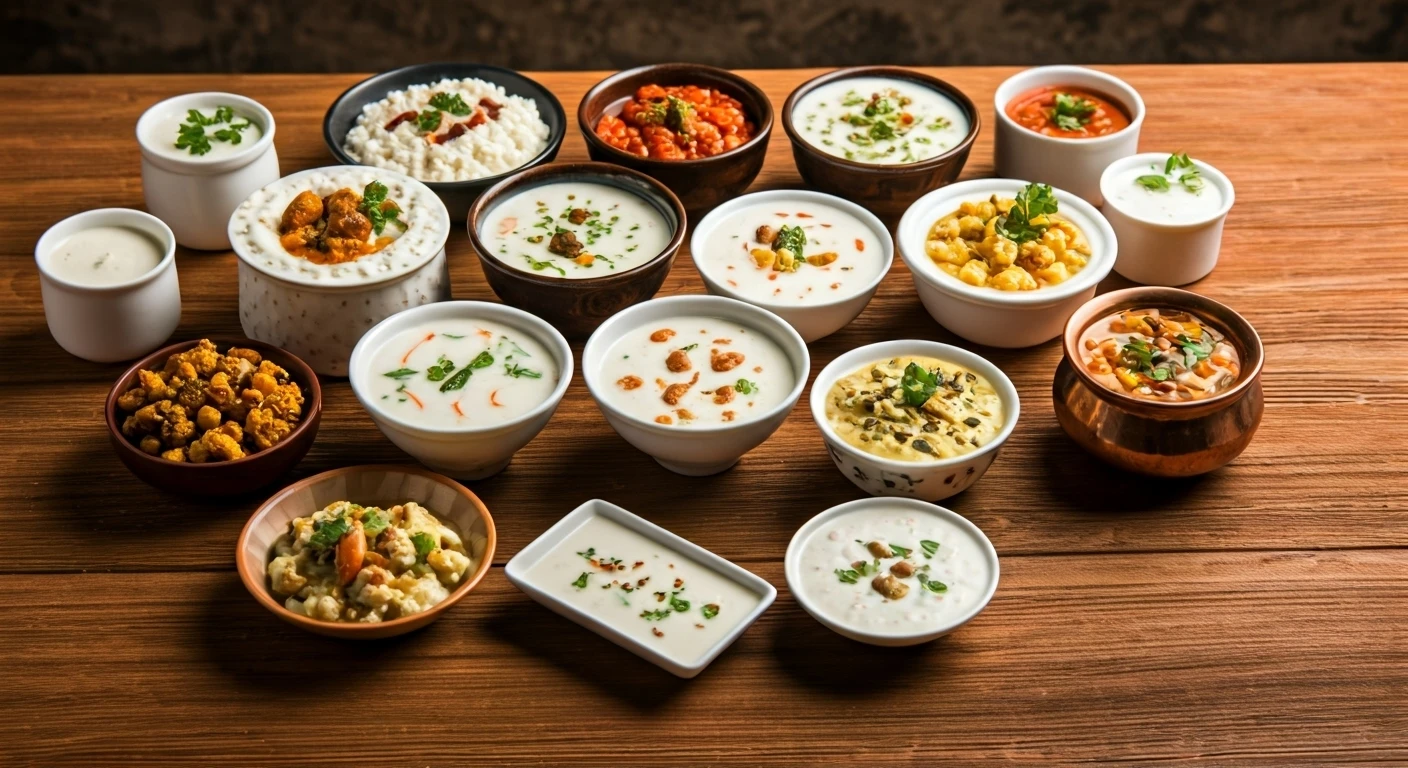
In the United States, we think of yogurt as a breakfast item. In India, it's the cornerstone of heat-wave survival. Plain yogurt, or *dahi*, is a probiotic-rich, cooling food that aids digestion—a process that can generate its own internal heat. It forms
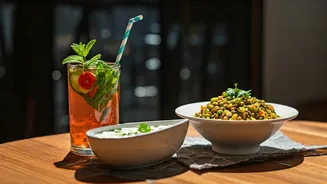
the base for countless summer dishes. The most famous is *raita*, a simple yogurt dip mixed with grated cucumber, chopped mint, or tiny fried chickpea flour balls called *boondi*. Served alongside a meal, raita acts as a refreshing counterpoint to spice and heat, instantly cooling the palate and the body. Another staple, especially in South India, is curd rice (*thayir sadam*). It’s a humble but brilliant mix of cooked rice and yogurt, often seasoned with mustard seeds and curry leaves. It's the ultimate comfort food for a sweltering day—gentle on the stomach and deeply satisfying.
Hydration Heroes: More Than Just Water
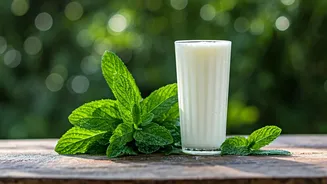
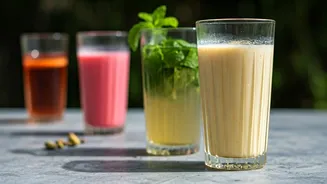
Forget sugary sodas. India’s traditional summer drinks are designed for maximum hydration and replenishment. The king of them all is *lassi*, a yogurt-based drink that comes in sweet (often with mango) or savory (salted with spices like cumin) varieties. The savory version, also known as *chaas* or buttermilk, is particularly effective. The salt helps your body retain water and replenish electrolytes lost through sweat, while spices like cumin aid digestion. Then there’s *nimbu pani*, the Indian version of lemonade, but with a twist. It’s a mix of lemon juice, water, sugar, and crucially, a pinch of salt and sometimes black salt (*kala namak*). This sweet, salty, and tangy combination is an incredibly efficient hydrator, perfected for arid climates long before sports drinks were invented.
Lean, Light, and Green: Summer Sabzis
As temperatures climb, Indian home cooking instinctively shifts away from the heavy, creamy, nut-based curries popular in colder months. Summer cooking is all about quick, light, and water-rich vegetables, known as *sabzis*. Think dishes made from gourds, zucchini, cucumbers, and leafy greens. These vegetables are cooked simply, often stir-fried with a few key spices like turmeric and coriander, preserving their natural water content. Heavy fats and deep-frying are minimized because they are harder to digest and can make you feel sluggish in the heat. This approach ensures you’re getting essential nutrients and fiber without burdening your digestive system, leaving you feeling light and energized rather than weighed down.
The Magic of Raw Mango
While ripe, sweet mangoes are the celebrated fruit of Indian summers, their unripe, green counterparts are the secret weapon against the heat. Raw green mango is packed with vitamins and electrolytes and is famously used to make a drink called *aam panna*. This rustic, tangy beverage is made by boiling and pureeing raw mangoes, then mixing the pulp with water, sugar, salt, and roasted cumin. It’s revered for its ability to prevent heat stroke and dehydration. The flavor is an unforgettable jolt—sour, sweet, and spicy all at once. It’s a prime example of how Indian cuisine uses every stage of an ingredient to address the specific needs of the season.
A Cool Finish: Kulfi and Fresh Fruit
No survival kit is complete without a treat. Indian summer desserts avoid heavy cakes and pastries in favor of cooling, fruit-forward, or frozen options. The most iconic is *kulfi*, often described as Indian ice cream. But it’s denser and creamier, made by slowly simmering milk for hours to reduce and caramelize it before flavoring it with cardamom, pistachios, or mango. It’s frozen in molds, resulting in a slow-melting treat that offers lasting relief. Beyond kulfi, the simplest and most common dessert is a platter of fresh, seasonal fruit. Chilled watermelon, juicy melons, and fragrant lychees are perfect for rehydrating and satisfying a sweet craving without the heaviness of a baked dessert. It’s a light, natural, and perfect end to a summer meal.