
1. Understand the Power of Reflection
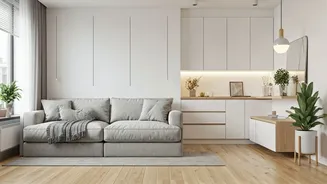
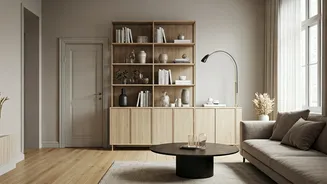
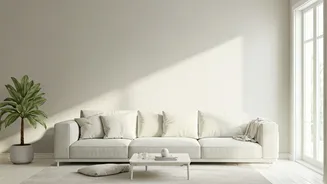
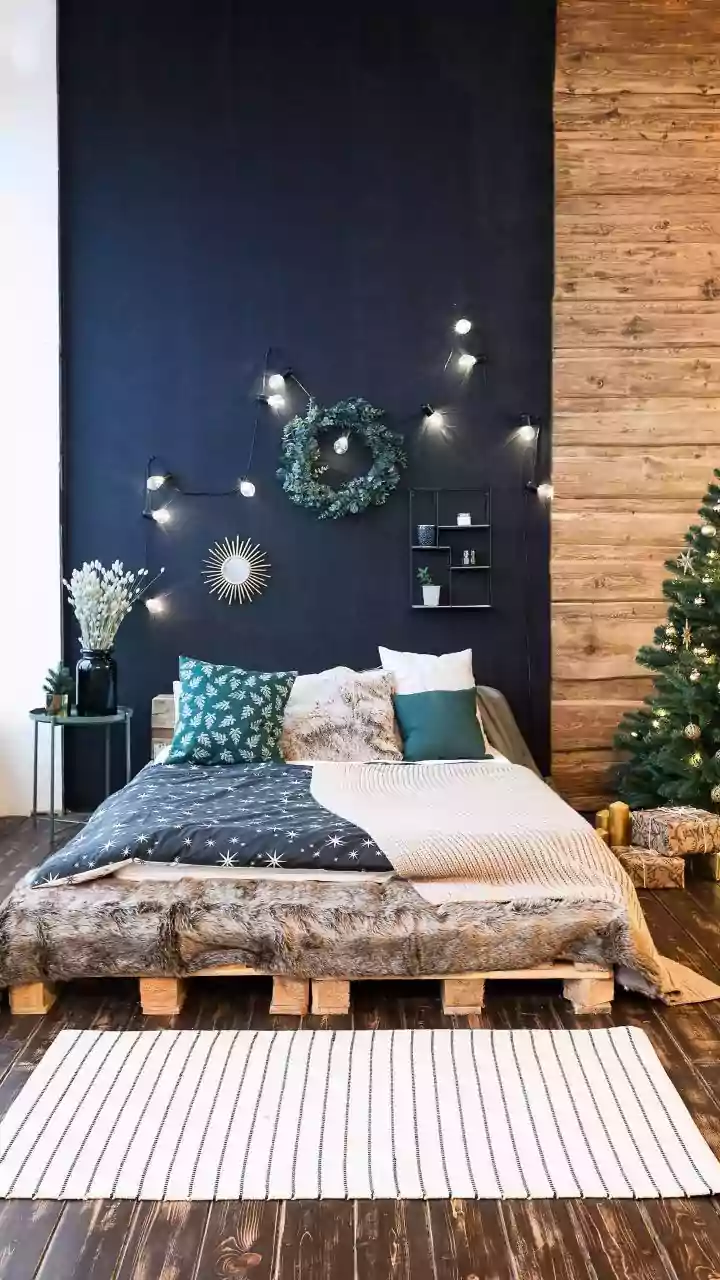
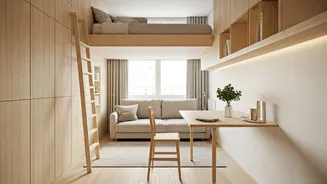
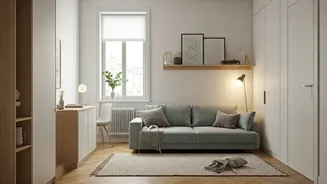
The core principle is simple: light colors reflect light, while dark colors absorb it. When a room is painted a light shade—like white, cream, or a pale pastel—the walls bounce natural and artificial light around the space. This diffusion of light softens
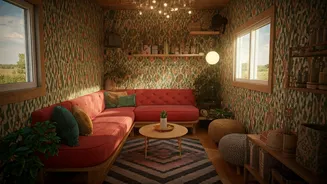
shadows and makes the boundaries of the room less distinct, tricking the eye into perceiving the area as larger and more open. Darker colors, on the other hand, absorb light, which can make a room feel cozier but also more enclosed and smaller. Think of it as the difference between wearing a white t-shirt or a black one on a sunny day; one reflects heat and light, the other soaks it in. Your walls work the same way.
2. Go Beyond Builder-Beige and Basic White
While pure white is a foolproof choice for maximizing light, it’s not your only option. In fact, a sterile, all-white room can sometimes feel cold or bland. To create a spacious feel with more personality, consider sophisticated off-whites with subtle undertones, like creamy ivories or whites with a hint of gray. Cool colors also recede visually, making them excellent choices for small rooms. Soft blues, gentle greens, and light lavenders can create a serene, expansive atmosphere. Another pro tip is to use a single light color throughout an open-concept area to create a seamless, unified look that minimizes visual breaks and makes the entire zone feel like one large space.
3. Embrace the Magic of Mirrors
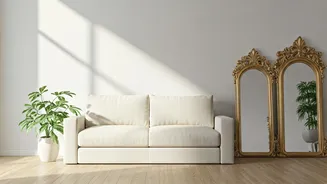
Mirrors are the oldest trick in the designer’s handbook for a reason: they work. A large mirror can essentially act as a second window, doubling the amount of light in a room and creating a powerful illusion of depth. It reflects the view opposite it, which can make a narrow hallway feel wider or a small living room feel less confined. Unlike a piece of art, which stops the eye, a mirror draws the eye 'through' the wall, extending the space visually. The key is scale and placement. Don't be afraid to go big. A large, statement mirror can have a more dramatic impact than a cluster of smaller ones, which can sometimes look cluttered.
4. Place Your Mirrors Strategically
Where you hang a mirror is just as important as its size. The most effective placement is often opposite a window. This allows the mirror to capture the natural light and outdoor scenery, bouncing it back into the room and making the space feel brighter and more connected to the outside. In a dining room, placing a mirror to reflect the light from a chandelier can add sparkle and ambiance. In a long, narrow entryway, a mirror on one of the side walls can make the corridor feel significantly wider. The one place to be cautious is opposite a cluttered wall or uninteresting view, as the mirror will only double the visual chaos.
5. Don't Forget the 'Fifth Wall'
Many people paint their ceilings a standard flat white and forget about them, but the ceiling—often called the 'fifth wall'—is a huge untapped surface for creating a sense of space. Painting the ceiling the same light color as the walls blurs the line where the wall ends and the ceiling begins, drawing the eye upward and making the room feel taller. If you prefer a bit of contrast, painting the ceiling a shade or two lighter than the walls will still have a lifting effect. This simple paint job prevents the ceiling from feeling like a heavy 'lid' on the room, contributing to a more open and airy environment.